
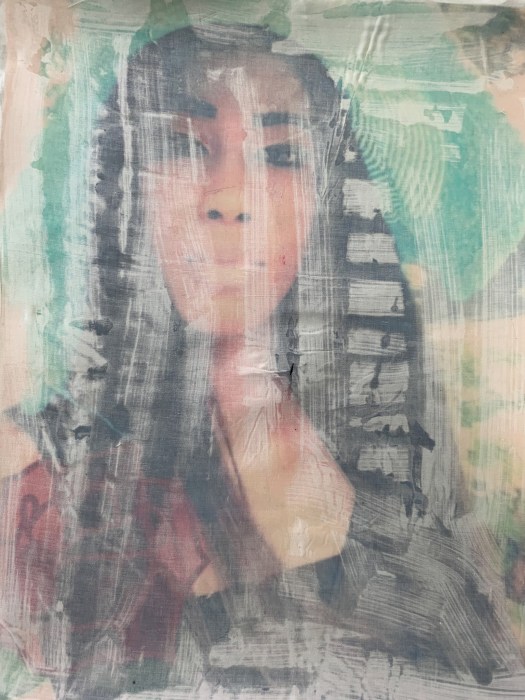
Pearl Twink. Lagos, Lekki

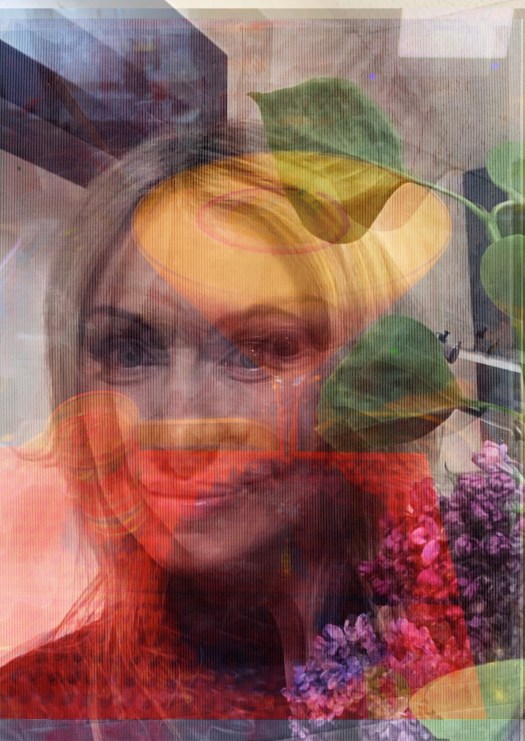
I have started to work on a new piece. It is a portrait of a young single mum of 4, who lives in a privileged district of Lagos, called Lekki.

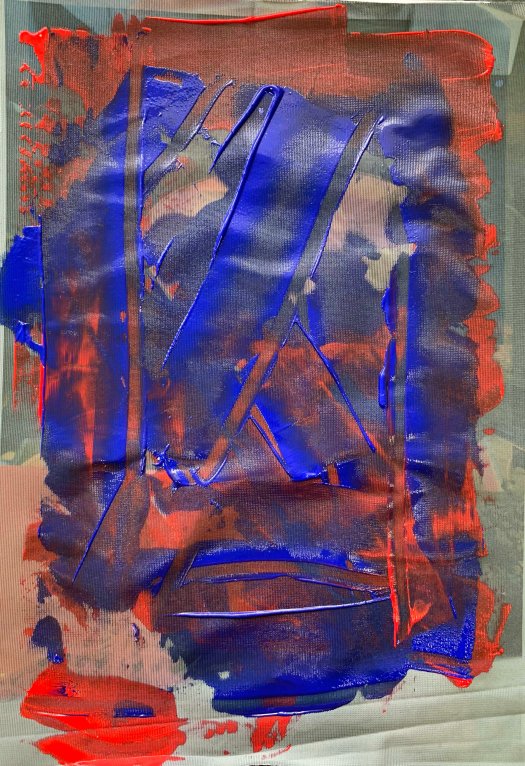
I have started to build up the underpainting using several layers of paint and washes of colour. The next stage will include experimentation with ‘washing’ the under image off. This is a part of my reflections on discussions with Jonathan during my most recent tutorial.

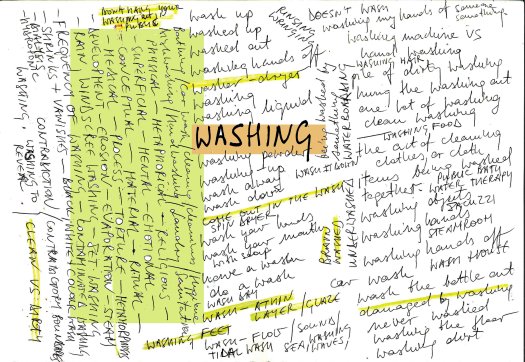
I have also created an extensive mind map of the possible meanings of ‘washing’ in order to embrace the full message contained in this powerful word in a variety of contexts.

Currently, I am working on unstreatched and unprimed canvas. Therefore, I will be able to use varies chemicals and the washing machine to replace the old blasting process.

I will loose more control over and what remains on the canvas following a washing cycle will be purely accidental. The plan includes using different lengths of the washing cycle, varying temperatures and a number of washing powders including stain removers.

This initial image is below:
11EC2AF2-8AC4-43F5-88FE-BFE683B4AFBC

Average Art. July Edition.

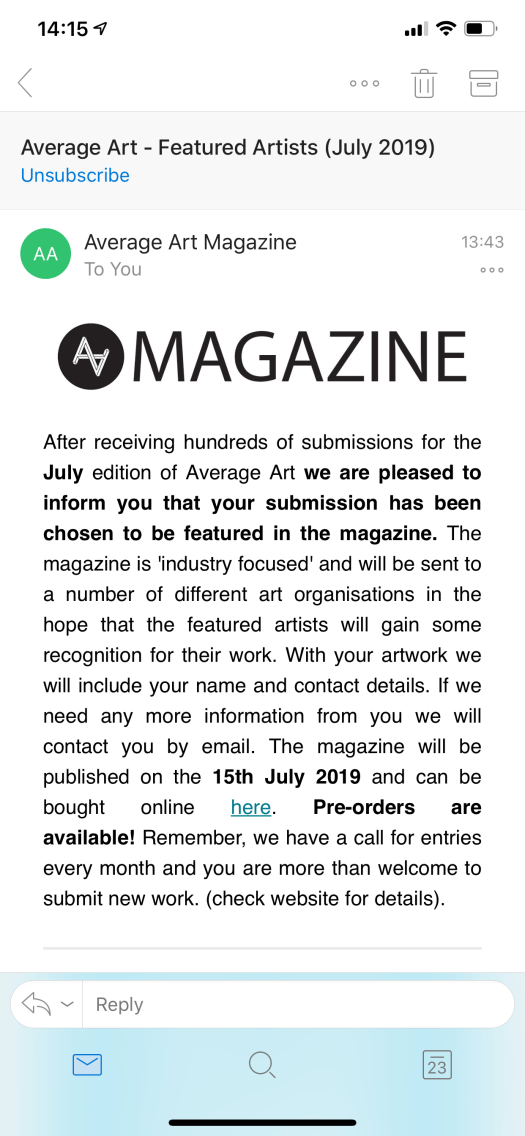
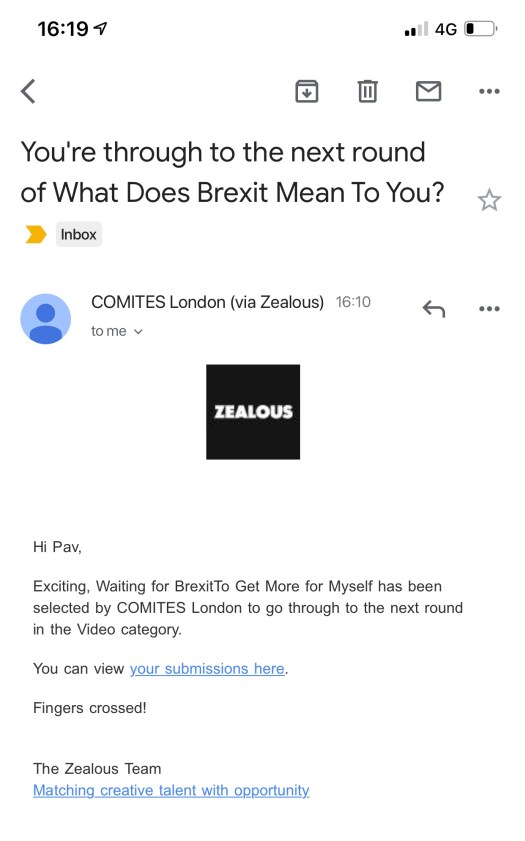
I simply cannot believe it! My work has been chosen to be published again. It will be included in the next edition of the magazine, which is due to be published on the 15th July.

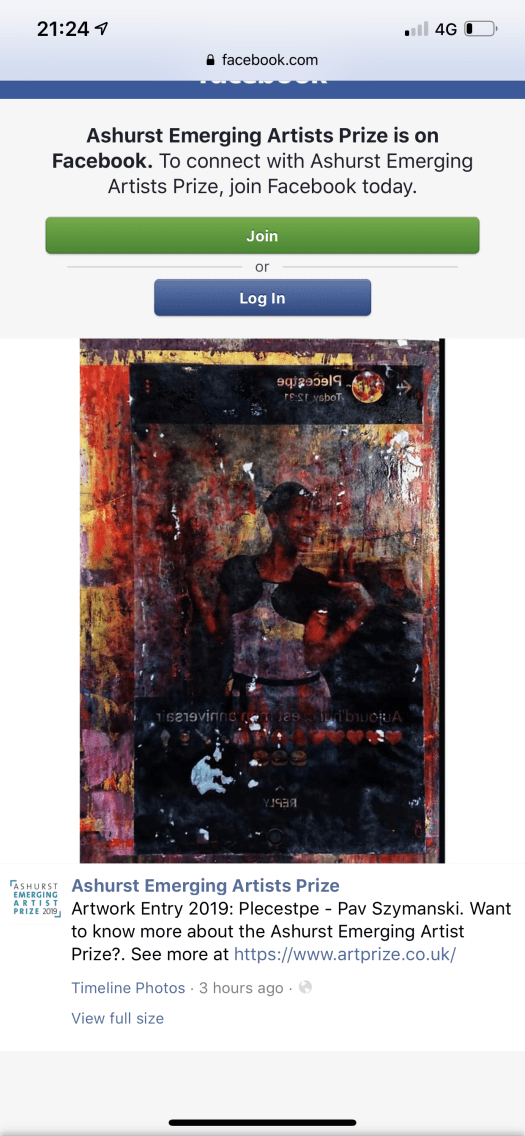
Screenshot of the confirmation email is below:

Tutorial With Jonathan.

Tutorial with Jonathan Kearney

Thursday, 20th June 2019 at 9.30.  Skype call.

I have proposed a number of new ideas and possibilities for further investigation.  The main intention is to give my project a refreshed purpose and redefine my objectives. I feel that the current possibilities of using the water jet are partially repetitive and exhausted.

I have done a lot of thinking about the forthcoming trip to Burma.  I would like to use this opportunity to gather a new wealth of primary sources for further refinement and development for my project.  I am committed to the overall title: ‘Waiting.  the Uncertainties of Tomorrow.’

The key ideas are as follows:

  •  Photograph people ‘at work’ killing time and playing on their mobile phones, while waiting for the next customer.  Look for potential sources, interview and record street sellers, groups of masseurs outside parlours, beggars and touts in bus stations.
  • Research the time spent waiting for the ‘next’ customer.
  • Hanging about waiting for time to pass.
  • Waiting in anticipation versus disappointment and rejection.
  • Collect relevant fabrics and materials for future paintings.  This would increase their authenticity by adding the element of the primary truth to my work.
  • Replace the water jet with other forms of ‘washing’ images using for instance a washing machine.
  • Triangulate the data by interviewing people in a variety of contexts, the rich and the poor.

Jonathan asked me questions about the jetting process.  He was interested in the decision making process behind the blasting of paintings.  How and when do I know that this is sufficient, completed and finished?  This is a very instinctive and spontaneous response to watching my work being simply washed away.  It is born out of fear and pity to see my work disaster and simply dribble down the drain.

We followed by discussing the washing process.  Jonathan suggested that I should explore the metaphorical meaning of ‘washing’.  He added that use of a washing machine would also gives me less control over the entire process – stone washing, tie and dye, washing with chemicals or just with water, long versus short wash. Jonathan concluded that this should be a very natural process of gathering information for me.

I have completed a substantial draft of my research statement.  I have worked really hard in order to make good progress with this as most of my summer vacation will be consumed by the Myanmar field trip and associated visual research.  I expressed some anxieties about the fact that I am unsure if my work is at the required level.  Jonathan has kindly asked me to email him my current written work before next Tuesday.  I am very grateful to get this additional opportunity to receive feedback about my research statement to maximise possibilities for the successful completion of this assignment.

Following Jonathan’s suggestions, I plan to undertake a critical review of progress and blog entries at key stages of progress and development – reflection ‘in action’ and reflection ‘on action’.

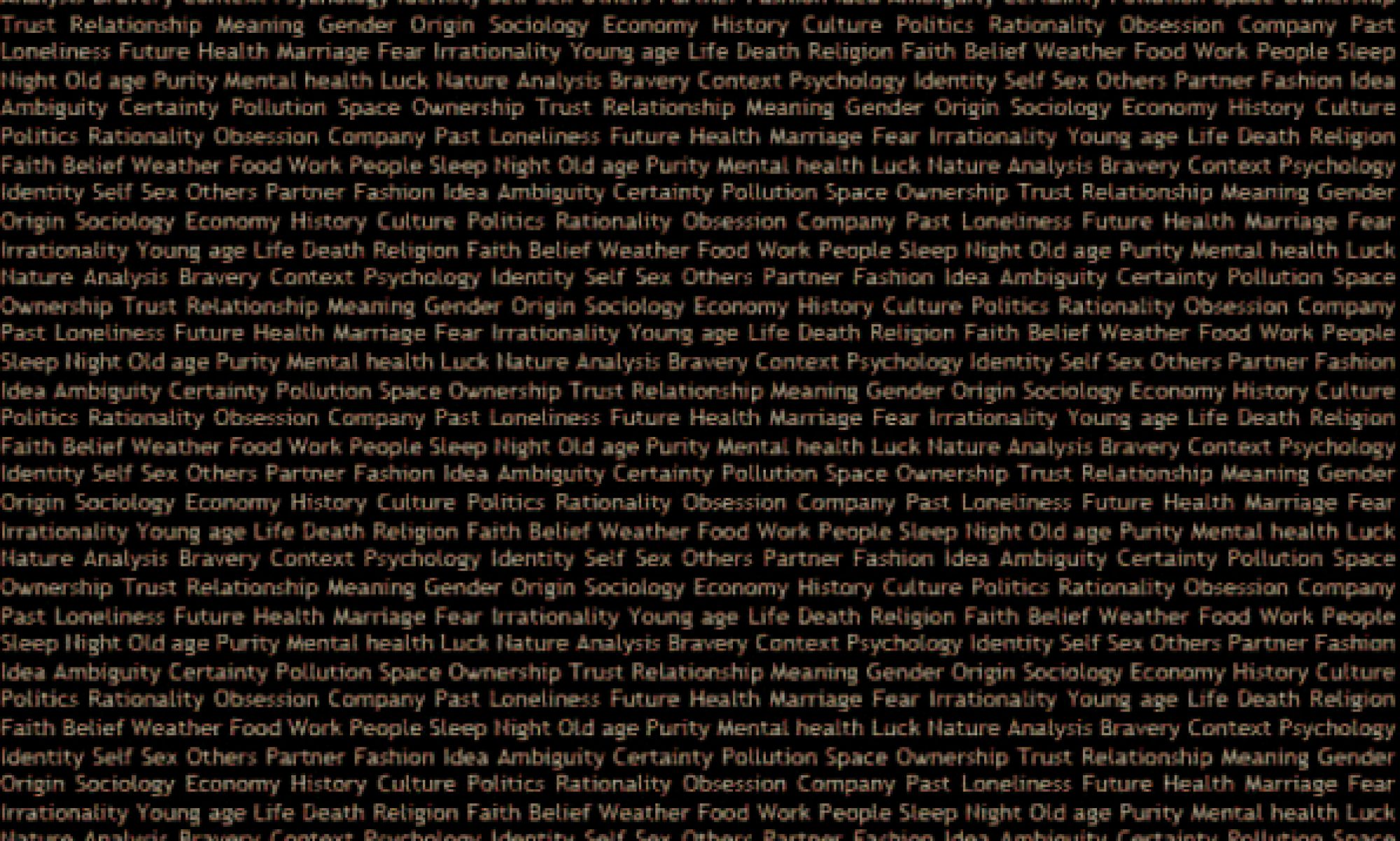
Mind-mapping of ‘WASHING’ with highlighted key ideas.

WASHING MAP


New Series – Waiting For A Cocktail Called Porn Star.

I have tried to experiment with a wide range of approaches to painting and communicating through the visual language. Initially, I explored possibilities of using the already established process of over-printing a painted surface, which is subsequently blasted off with a water jet. This method was gradually developed and extended further. Additionally, I became more interested in the size of my work and started painting on smaller pieces of unstretched canvas.  My creative intention was to differentiate between micro and macro environments and consider the pieces in terms of their size, scale and impact.

This is significant in terms of the quality and energy of mark, which I am able to achieve. The image ‘handling’ process is also diametrically different.  The smaller size of  canvas makes the blasting process much more dramatic and devastating.  It is also less precise in terms of the amount of control I have over the tool and its power.

Some of the images below, were almost totally washed off by the jet of water.  However, the brush marks were much more powerful and distinct; making the entire composition more abstract and almost unrecognisable. The  pictorial content was fully covered and the underneath layers of paint were totally invisible.

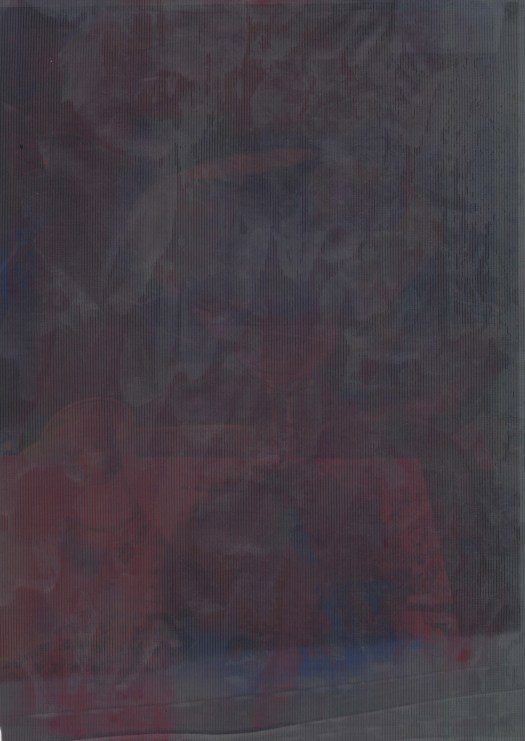
My images have started to become very fragile. I had to use the process of digital scanning in order to recover some visual aspects of them and save important details from being erased and permanently lost.

Perhaps, the next stage of my experimentation will include working on lighter colour backgrounds, thinner fabrics and using materials, which are much more delicate and fragile to enhance the possibility of happy accidents and increase the imperoding process of blasting.

When working on upstretched fabrics, I can also consider using bleach, Vanish and other chemicals.  I will replace the water jet with a washing machine.

This should give me a completely new and alternative path as a direction for my experimentation.

There are some images of the new process:

1401FC3A-F8C6-41EE-9D51-9842CA7EBE17DE2D2731-C8F9-4308-80EF-997FF734BA3B0AE84FB1-0592-43BC-945E-D3F25260BD280FDC6F7B-0AF4-41F0-8AD5-4FB22CDA2916A8A6B120-7A93-4A8B-B742-95F05192FE13


Presentations of Early Ideas for My Research Paper.

I presented my proposal for both, the title and abstract during an online chat with Jonathan Kearney and a group of 12 fellow students on Tuesday, 4th June 2019. It appeard that all my feedback came from Jonathan and Alexis, while others reminded silent.

My proposition was relatively well commented on. I have also received a number of constructive suggestions regarding looking at alternative directions of research into relevant ideas and supporting philosophy.

The key points for consideration are below:

  • Alexis – search for certainty against the acceptance of imprecision.  How will you sustain objectivity throughout your enquiry?

I am analysing uncertainty through the prism of both artefacts and supporting this investigation with a theoretical framework – Heisenberg, Russell and others.

  • Jonathan – balance the emotional response to both artefacts with a more objective exploration

Through interweaving theoretical reviews and responses to both artefacts in the light of my research findings.

  • Alexis – life is suspended in the element of chance.

I am looking at theories, which include risk, chance and belief to support my analysis of research findings.

  • Jonathan – caution, be careful , when using words such ‘universal’ and ‘complete’

My idea was to indicate a direction of my ambitions by using the word ‘more’ universal and complete.

Perhaps, I will rephrase as:

develop a more holistic and broad understanding…

  • recommendation from Alexis was to look at other philosophers, such as Schrodinger.

I am looking at both perspectives: from the traffickers to those being trafficked.

  • Jonathan – usually, the pressure is to seek the most objective position, but art is about emotion.  Therefore try to engage with the emotional side of such works.

I plan to include elements of my interpretation of these works and their impact on me without changing the tract of thought in the paper.

All in all, the feedback received and suggestions for further research were very useful in terms of broadening my horizons in preparation for the composition of the first draft of the paper.