Life Is About Transience

Does witnessing poverty and deprivation make me want to change their situation on the one hand, or on the other, it merely changes my reflections on my own life, ambitions, aspirations and priorities?

Their uncertainties are an unsolvable dilemma and my reflections are simply frustrating.

Mortality is the essence in Heidegger’s proposal of authentic living.  His concept of Dasein (being-there, existence) has become very current in the context of my reflections on viewing art in Valencia.

The idea that death forms the meaning to life is well-defined within the philosophical framework. Many thinkers have discussed ‘death’ and its relationships to what we do and how are. Montaigne argues that “to study philosophy is to learn how to die”. Seneca proposes that “life is nothing, but a journey to death.” This was further extended and contradicted by Nietzsche, who states that life’s purpose and meaning are defined by our  goals and inspirations.

Existential writer – Camus emphasises the absurdity of life. This thought process is extended by Kierkegaard, who questions the sense of life in the context of death.

Many others also suggest that love, beauty or reason are necessary to provide existence with meaning.   My reflection is that most Philosophers will not simply assert that death is sufficient to give our existence a form of meaning and reason. Is art as a language of expression perhaps that addition, which is needed? Is visual exploration trying to solve the biggest puzzle of life?

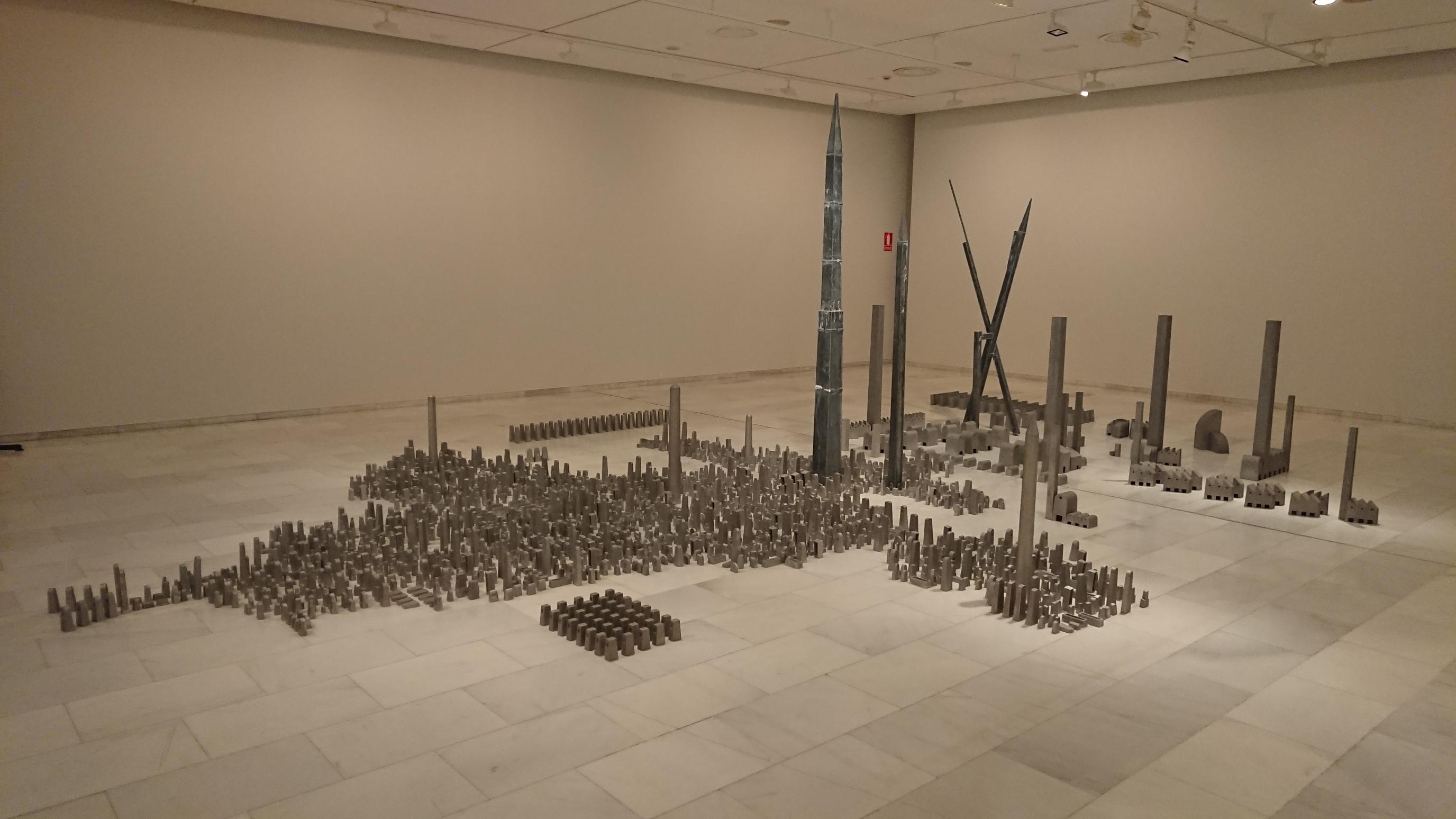
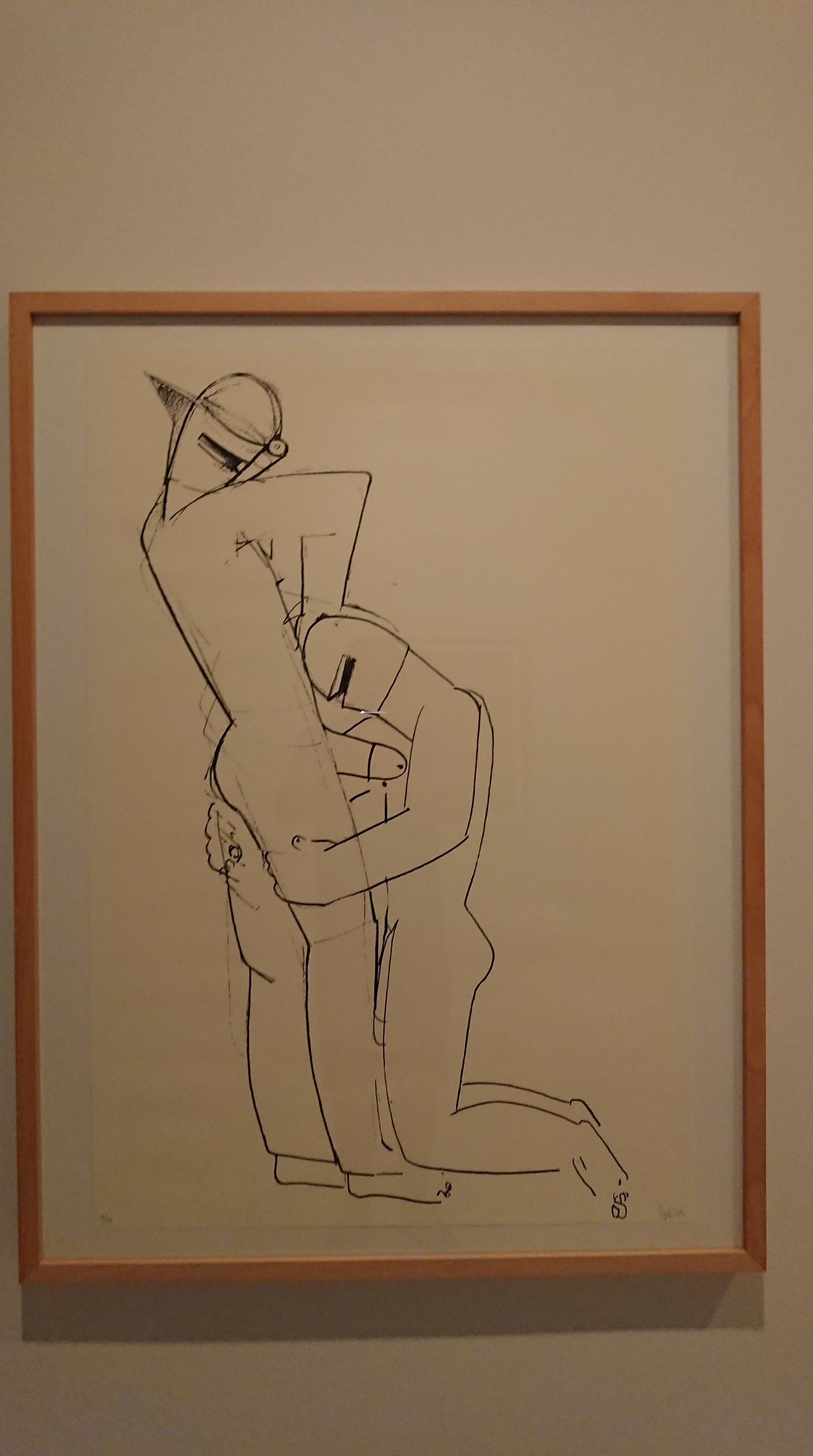
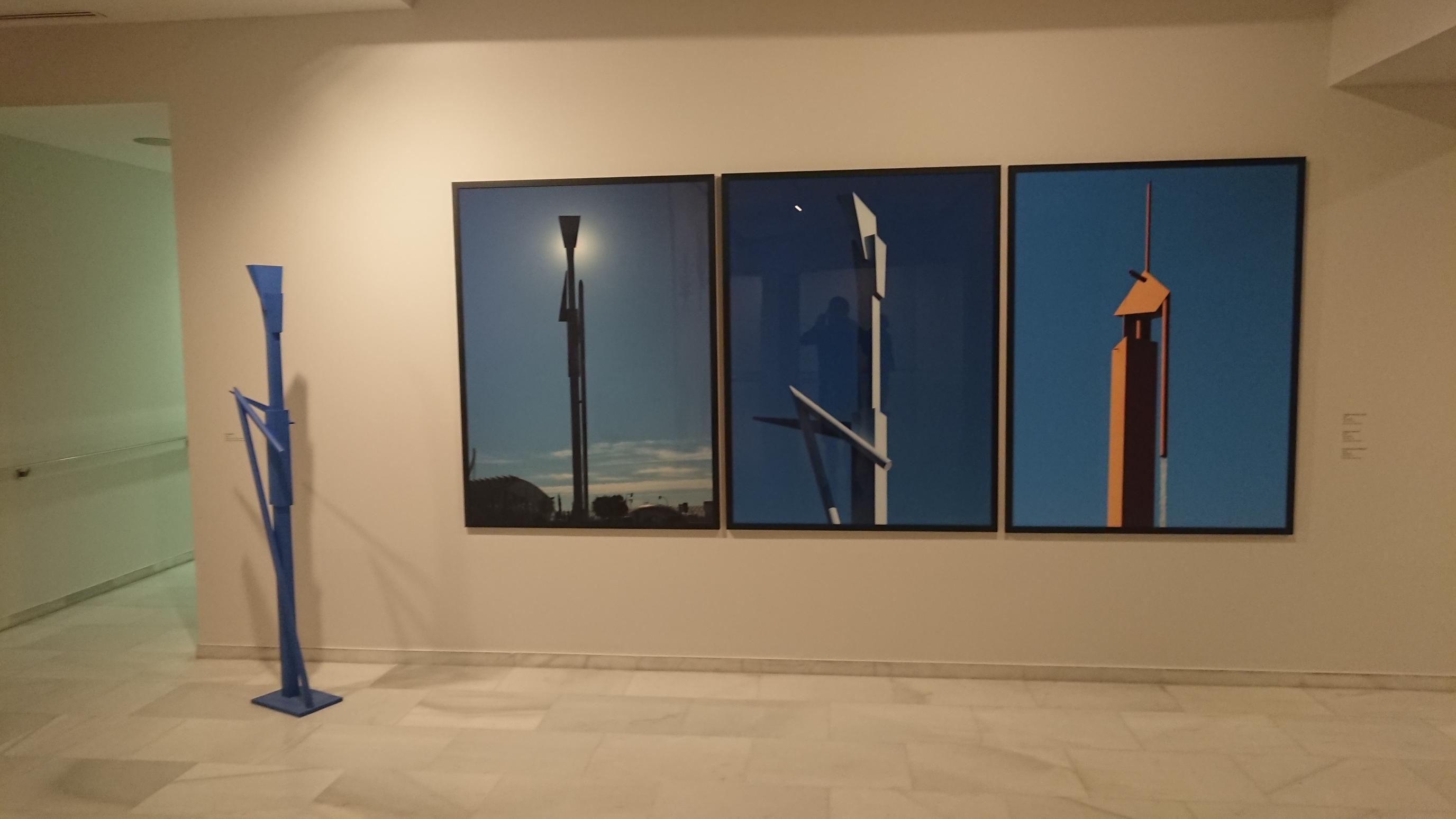
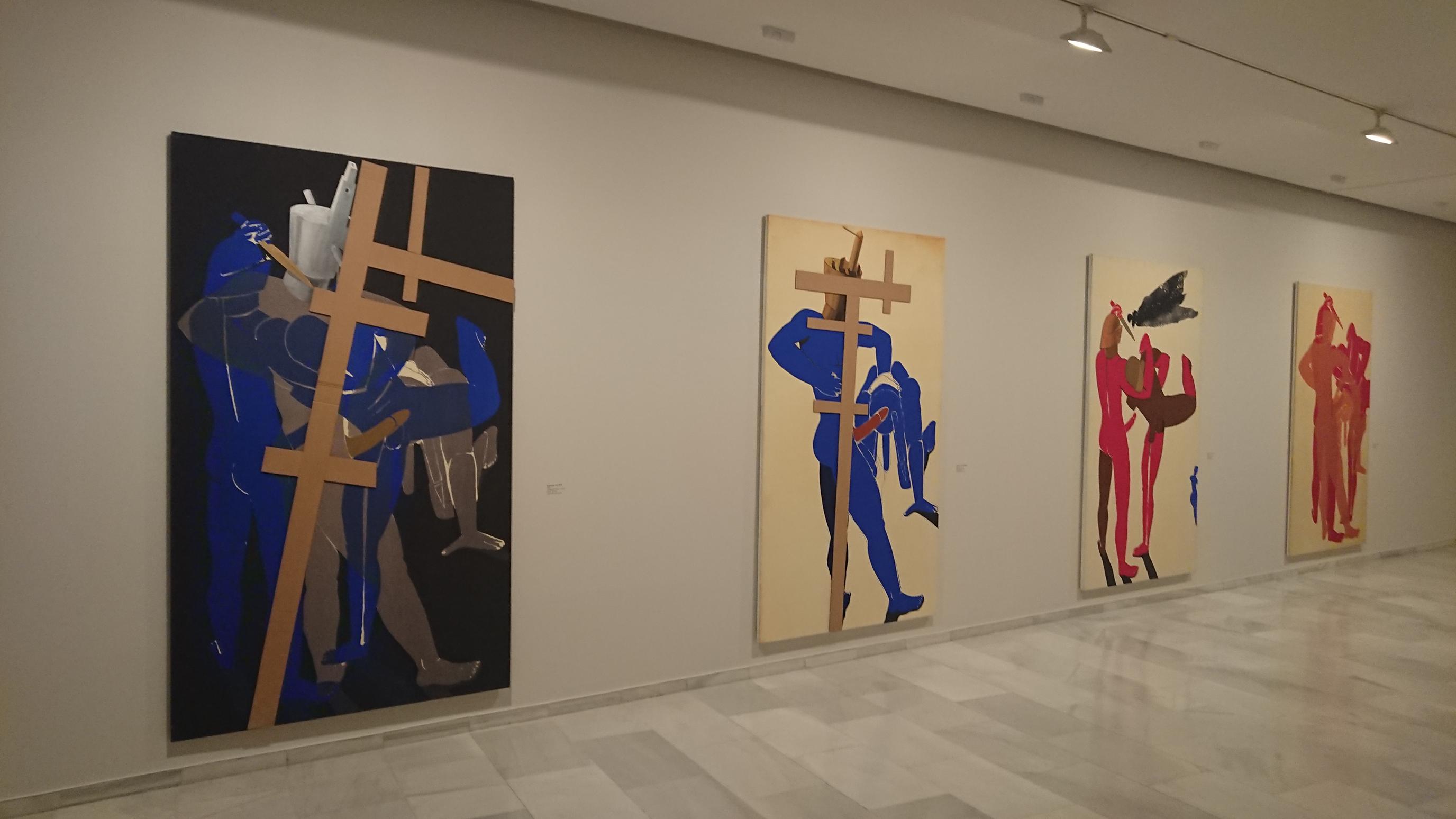
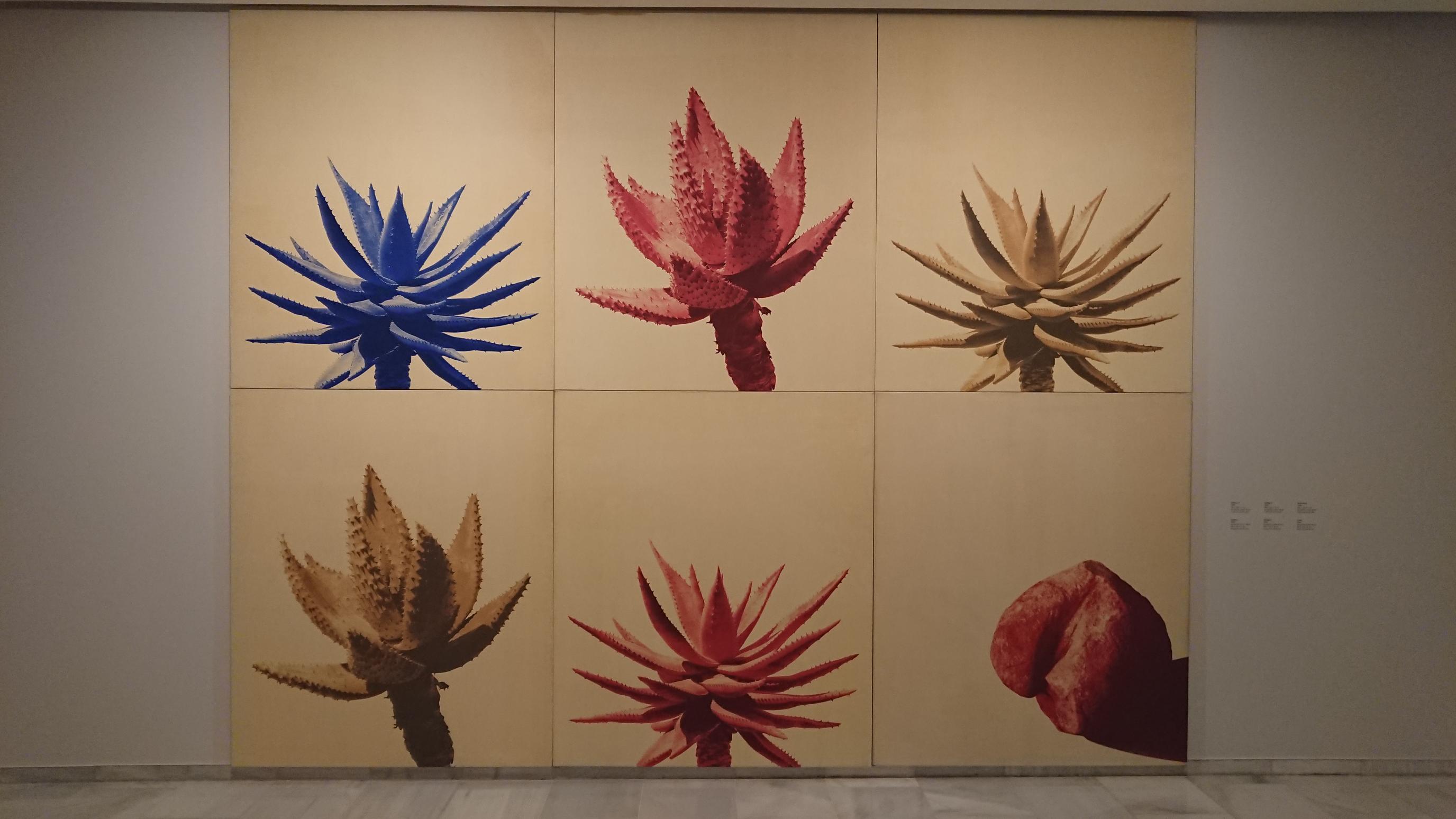
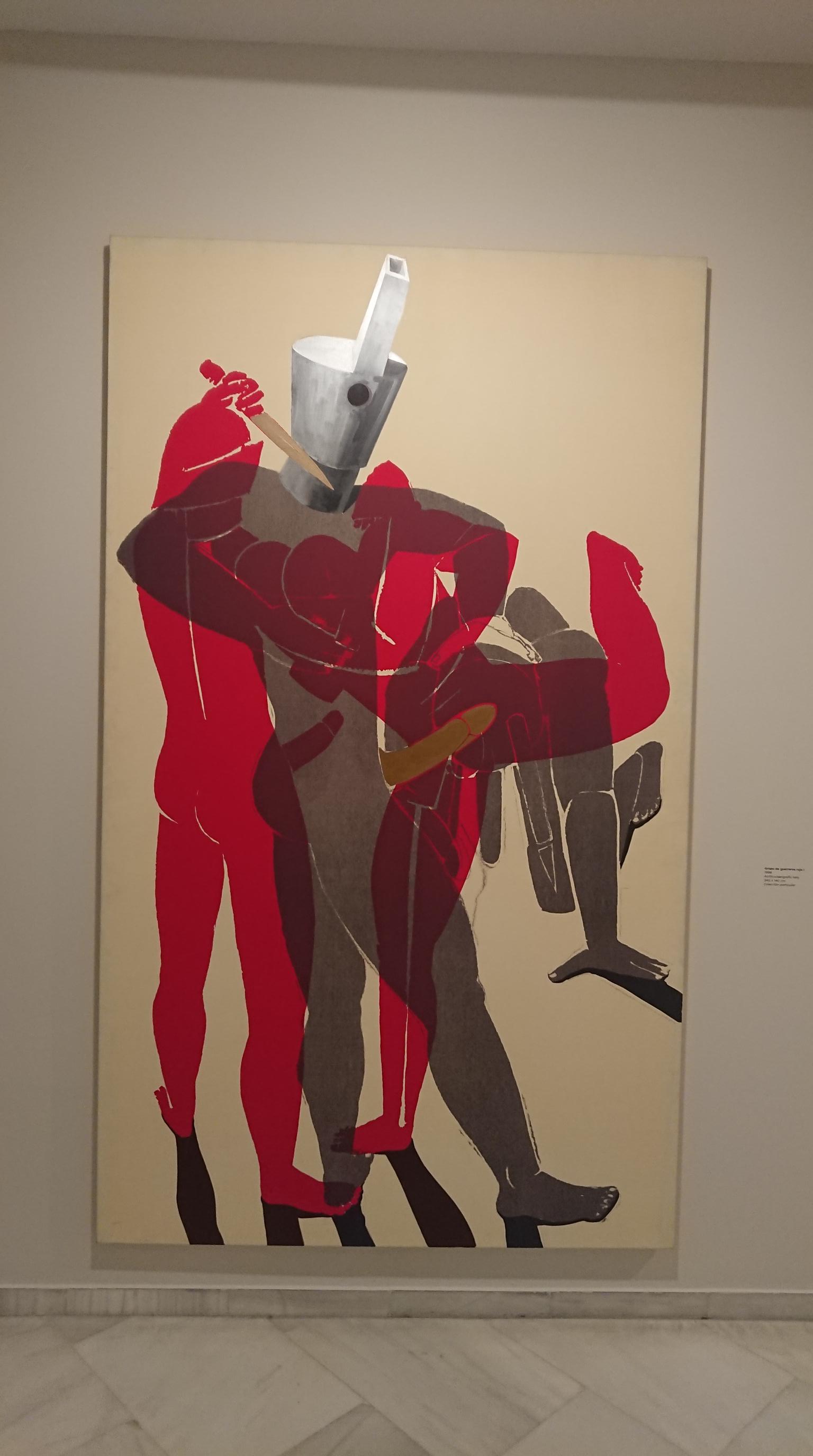
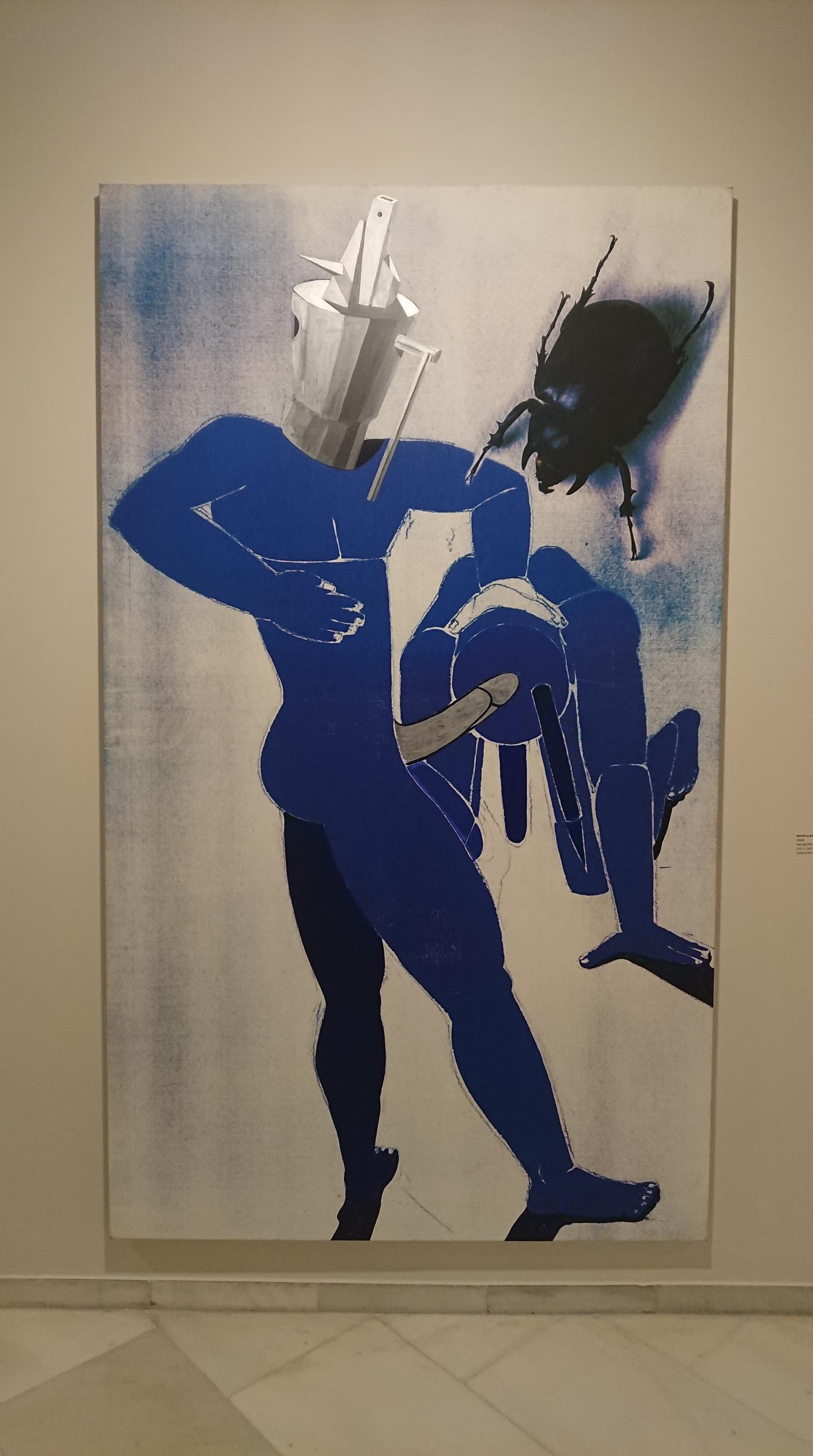
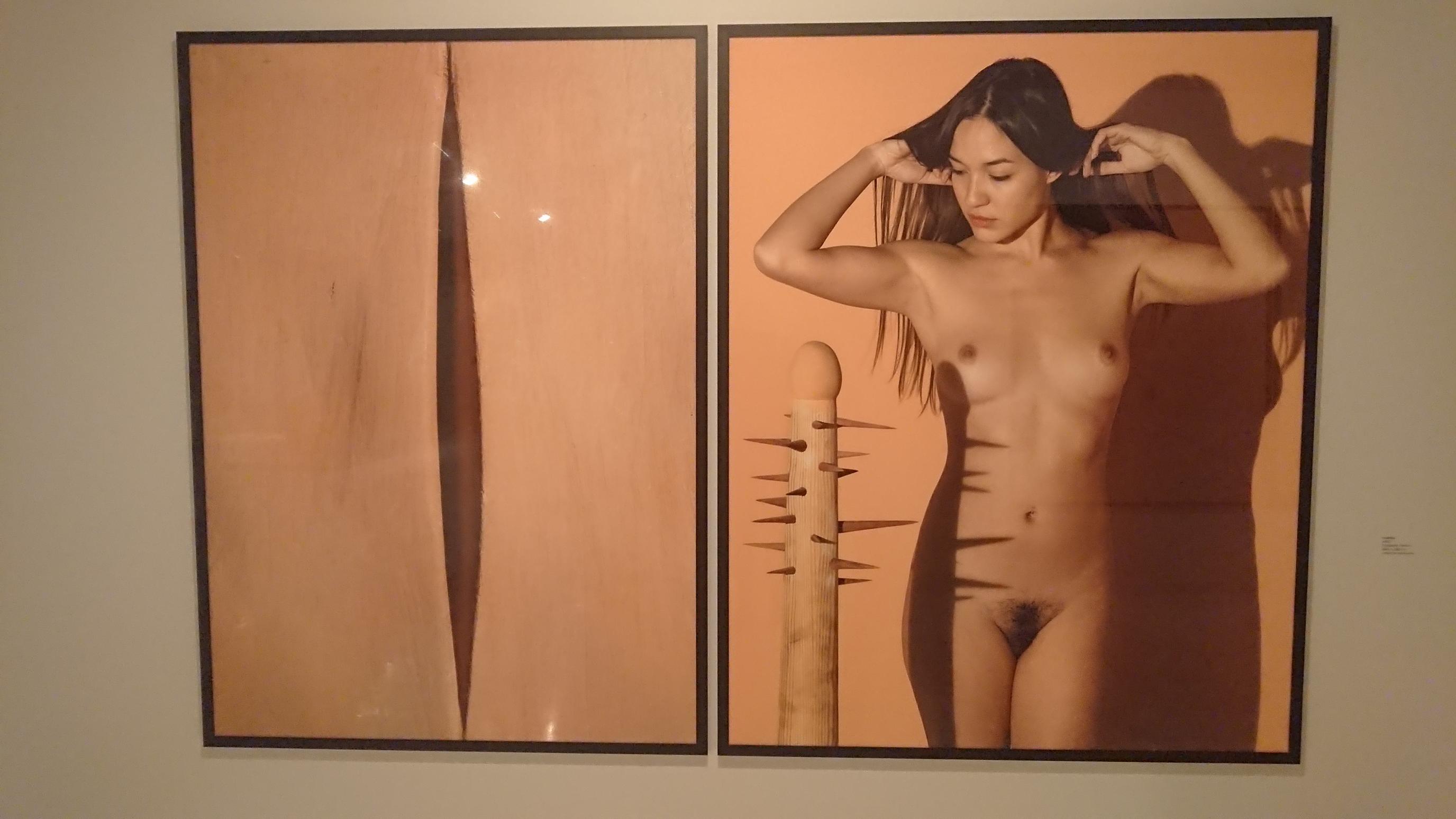
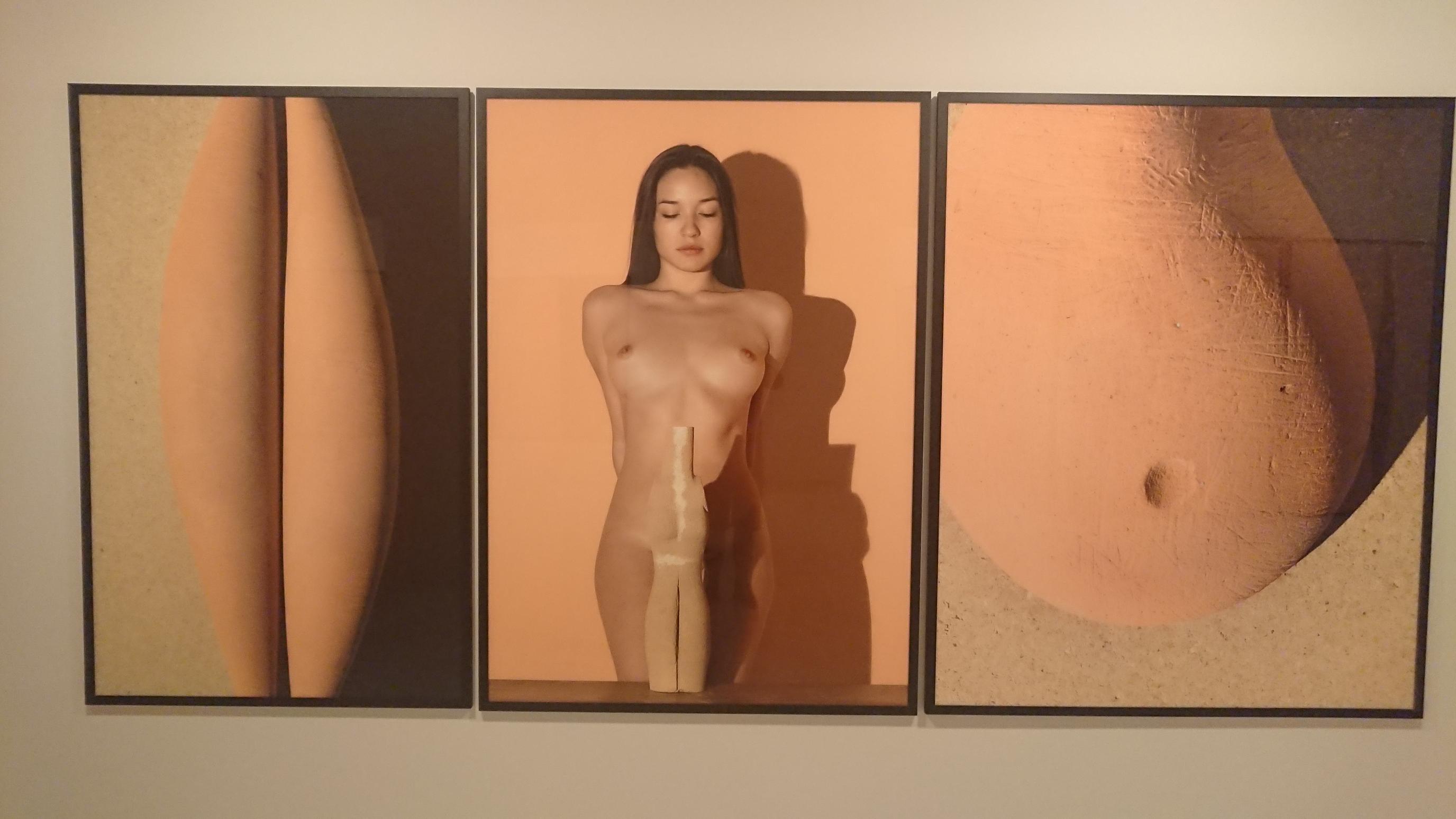
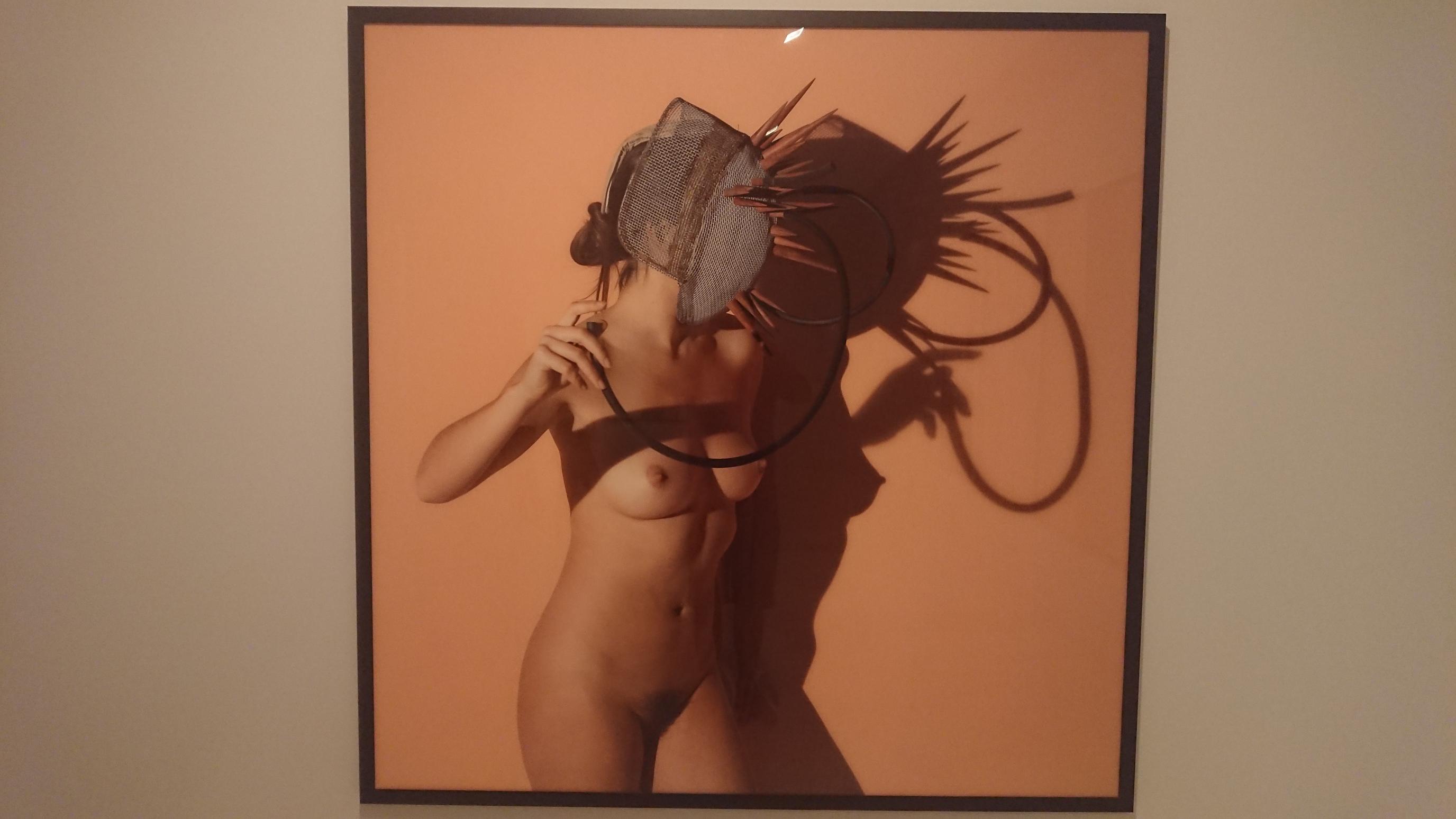
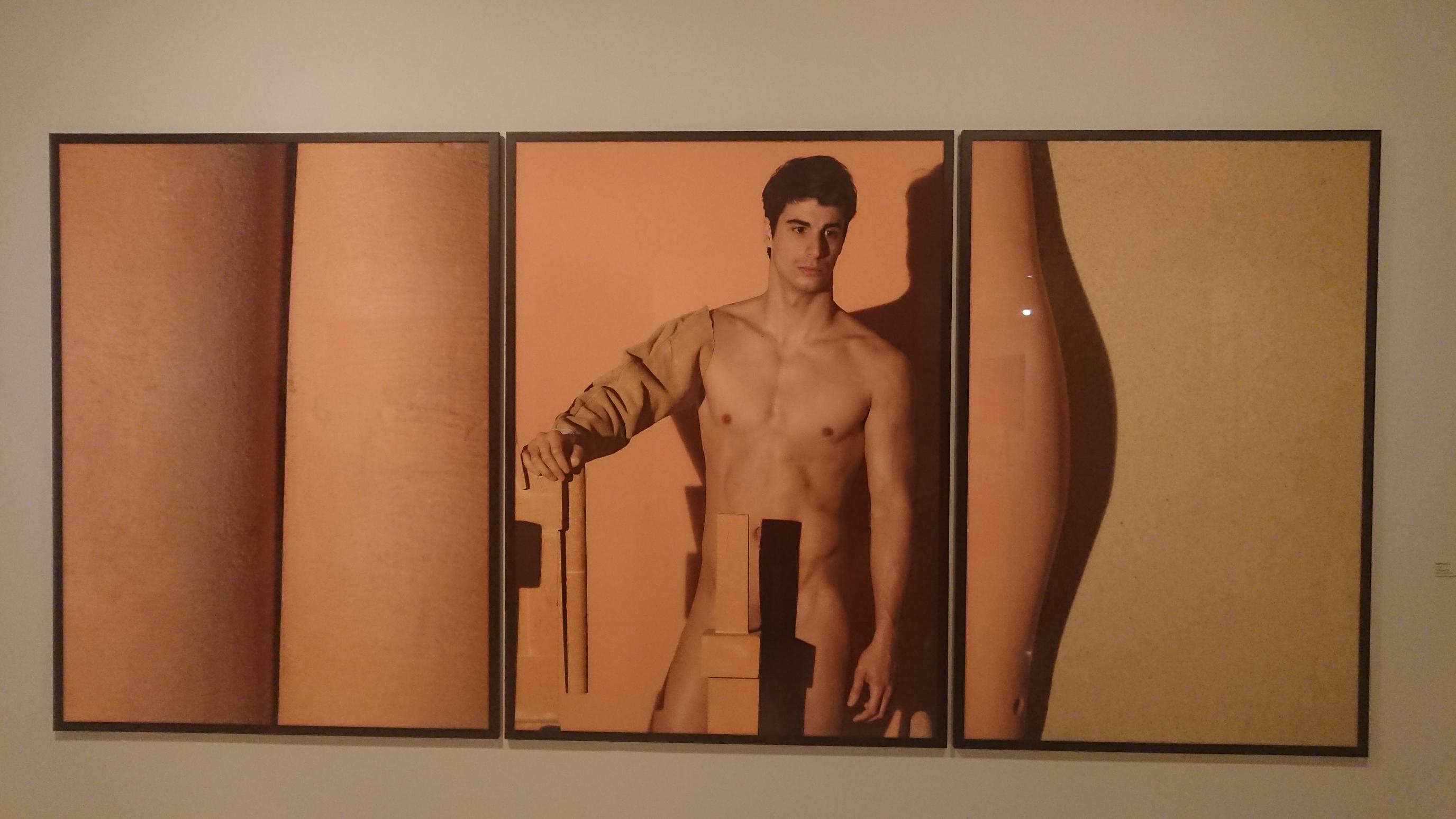
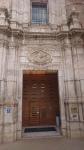
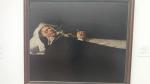
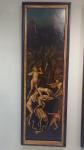
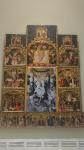
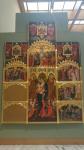
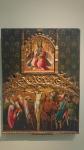
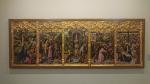
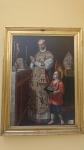
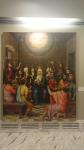
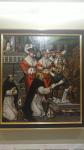
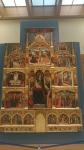
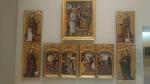
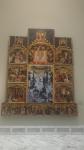
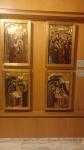
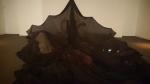
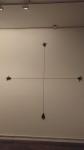
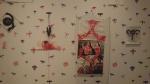
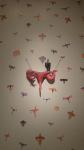
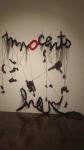
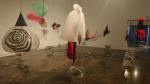
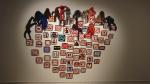
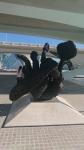
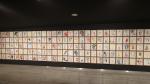
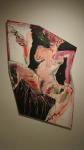
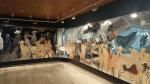
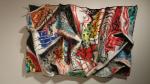
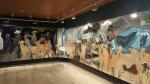
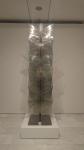
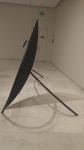
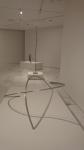
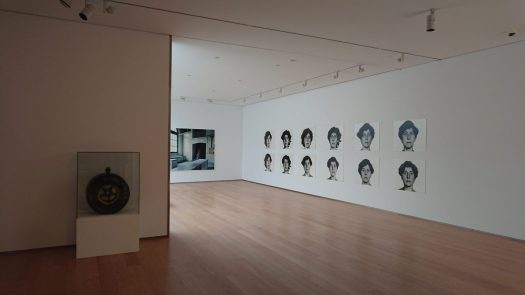
I have spent the last two days exploring a range of galleries and museums in this bustling city.  Currently, there is a broad offer of exciting exhibitions available, covering both Spanish and internationally renowned; traditional and contemporary fine artists. During my viewing experiences, I tried to categorise artefacts by the essence of their subject matter or theme.  After a very careful consideration,  I have concluded that our common fear of transience is the origin of all of our thoughts, feelings and undertakings. We are subjected to mortality and this is where all of our worries and anxieties are stemmed from.  This phenomenon can manifest itself in a variety of forms, from religion, fear of omnipotent God and the ‘Last Judgement’ to death, illness, pain and other general life’s misfortunes. I found an ever-increasing evidence of loneliness, isolation, alienation and forever present inability to establish a deeper rapport and communication with others.

The most common theme in all work was an act of inner desperation to get ‘help’ from someone out there, who can help us to embrace our uncertainties through some ‘magic’ participation in our lives.

In conclusion, I have a growing uncertainty concerned with an inclusion of ‘religion’ in my visual research and experimentation

A documentary photographic review is below:

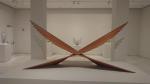
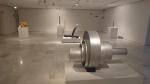
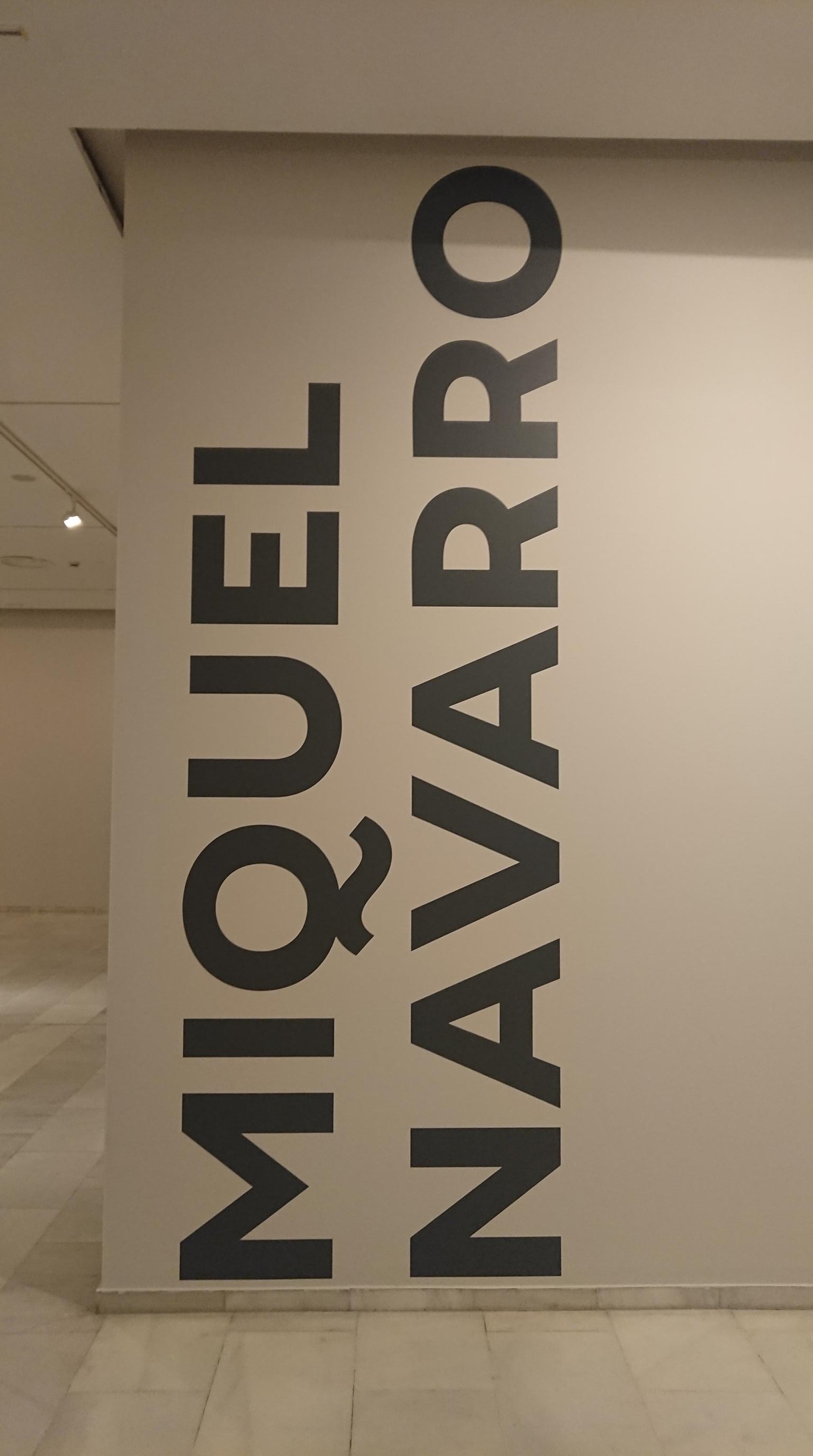
IVAM – Institut Valencià d’Art Modern
DSC_3184
DSC_3185
DSC_3186
DSC_3187
DSC_3188
DSC_3189
DSC_3190
DSC_3191
DSC_3192
DSC_3193
DSC_3194
DSC_3195
DSC_3196
 
Museu de Belles Arts de València


Annette Messager. Pudique – Publique
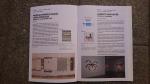
 

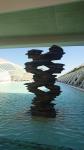
Tony Cragg’s work  at the Palace of Arts and Science.
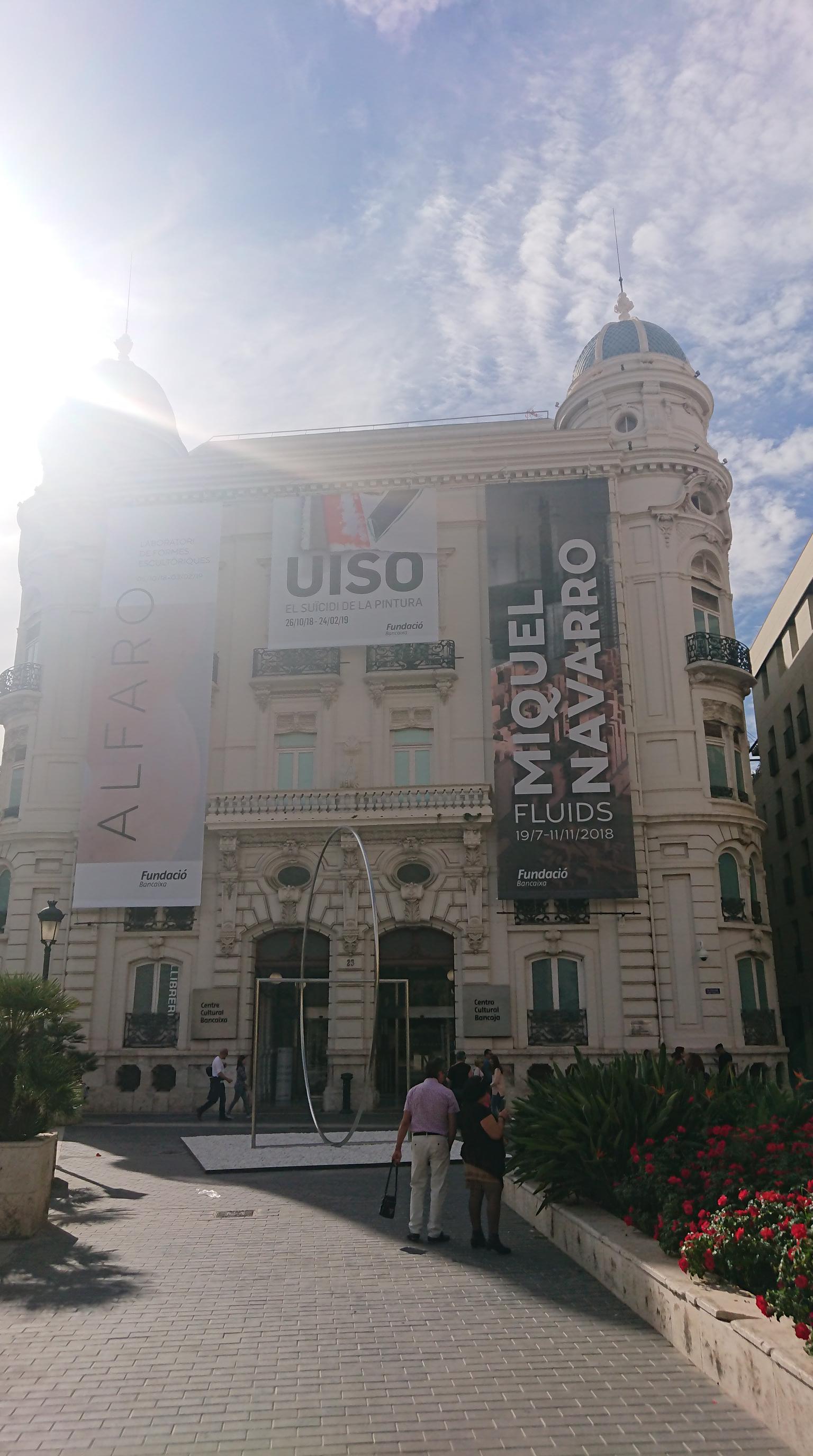
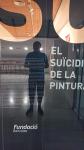
Ulso Elemany’s exhibition at the Boncaixa Foundacion titled 

“The Suicide of Painting”
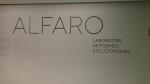
Espai Alfaro’s work at “The Place”
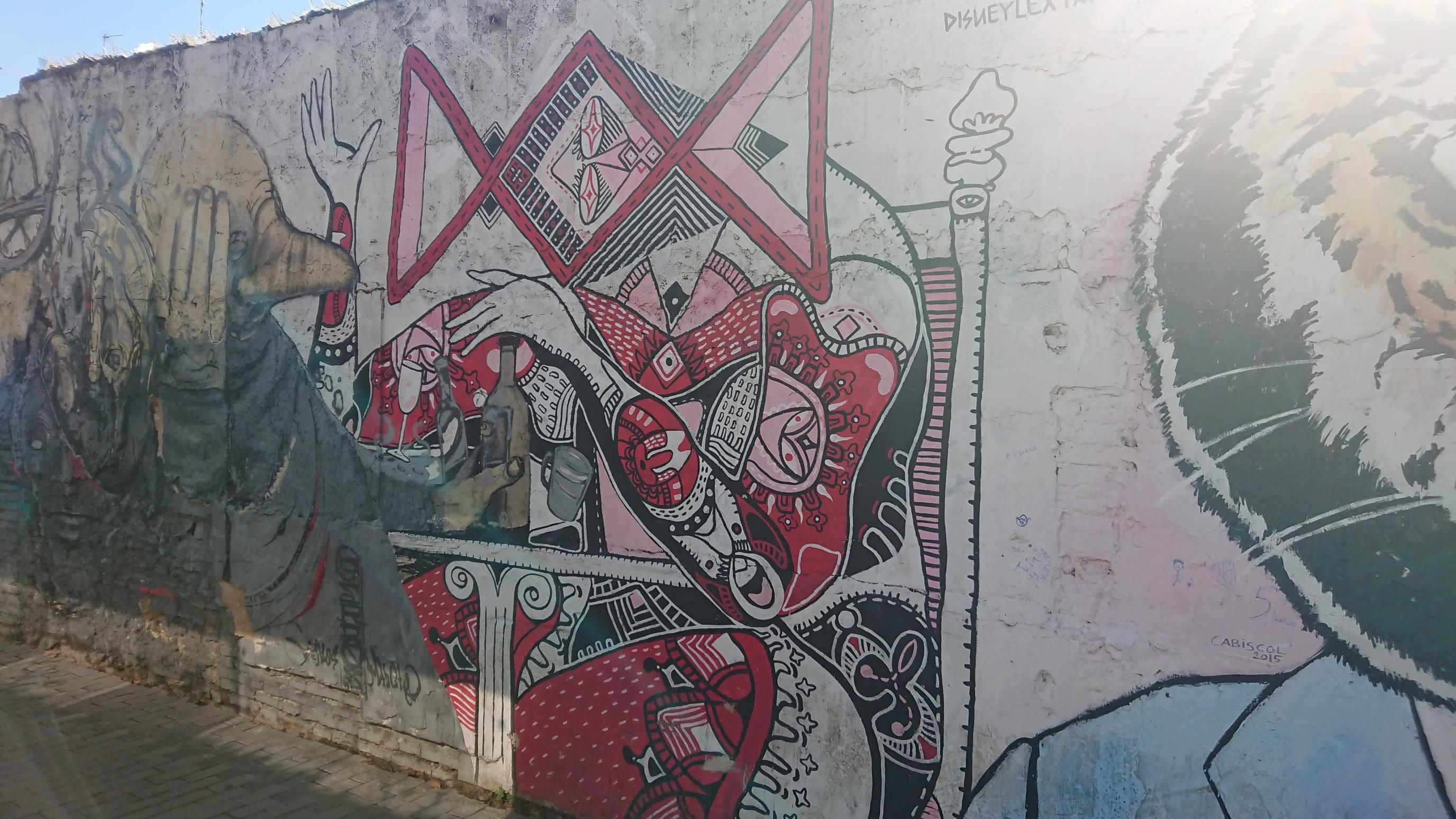
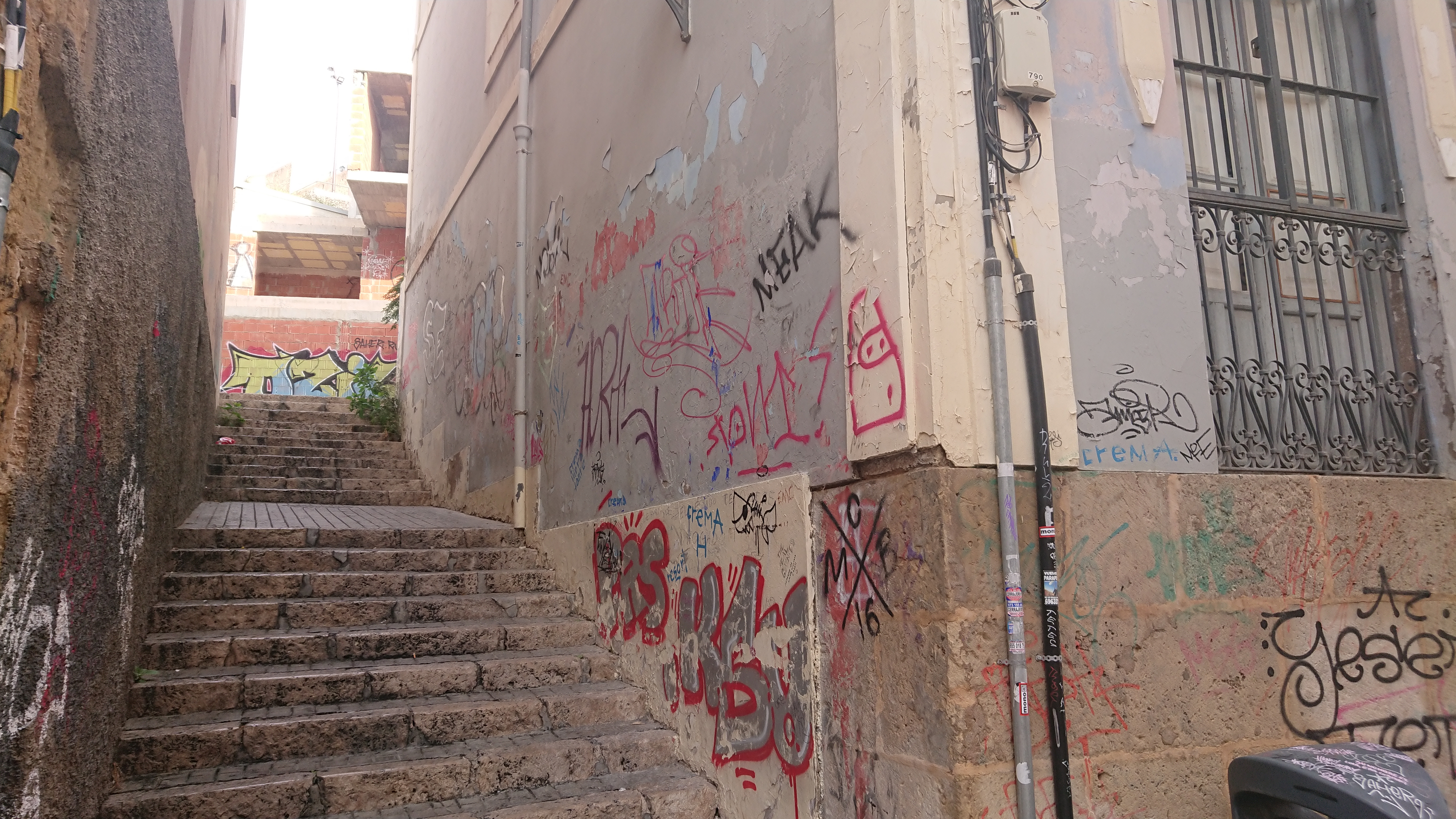
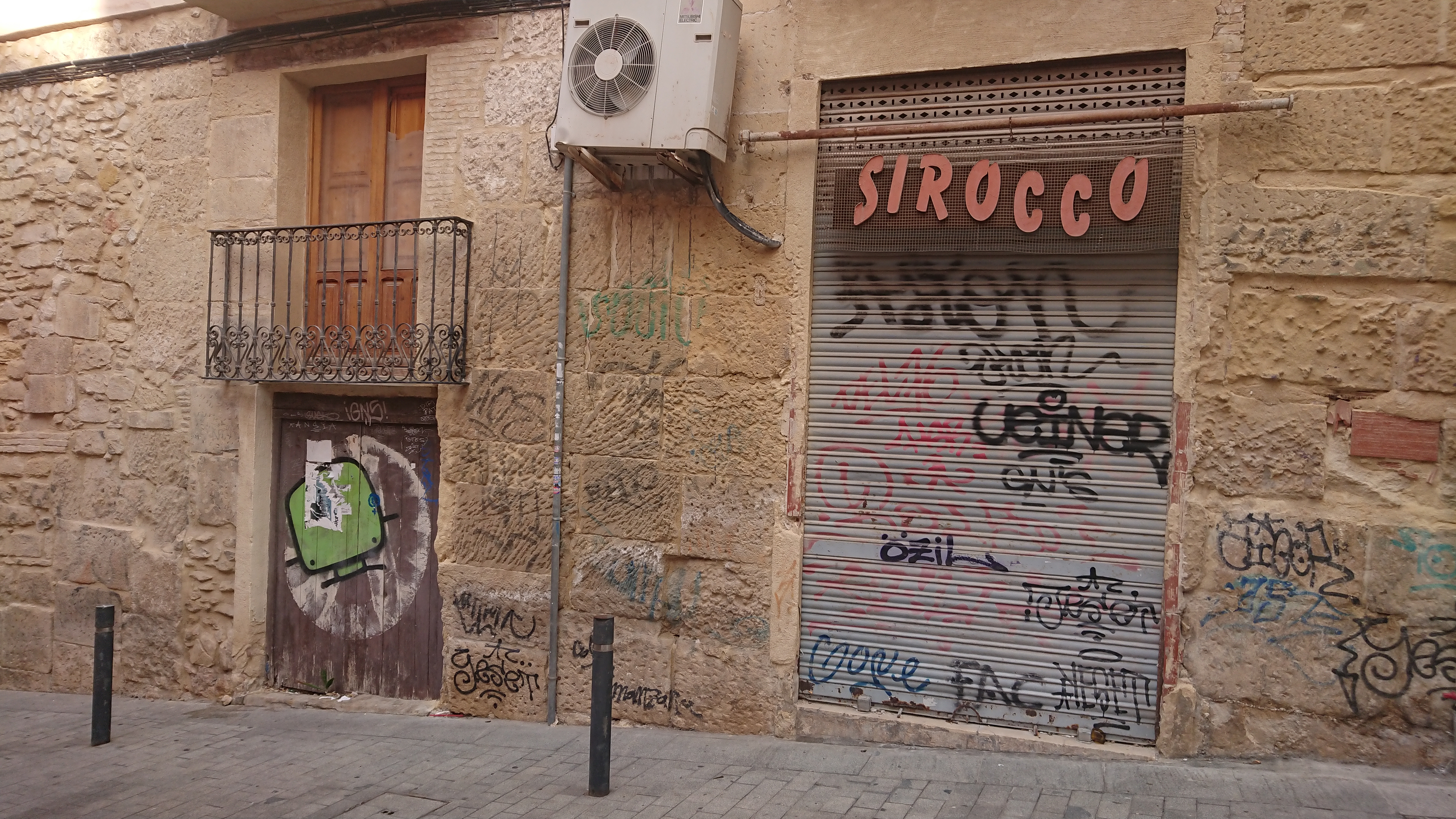
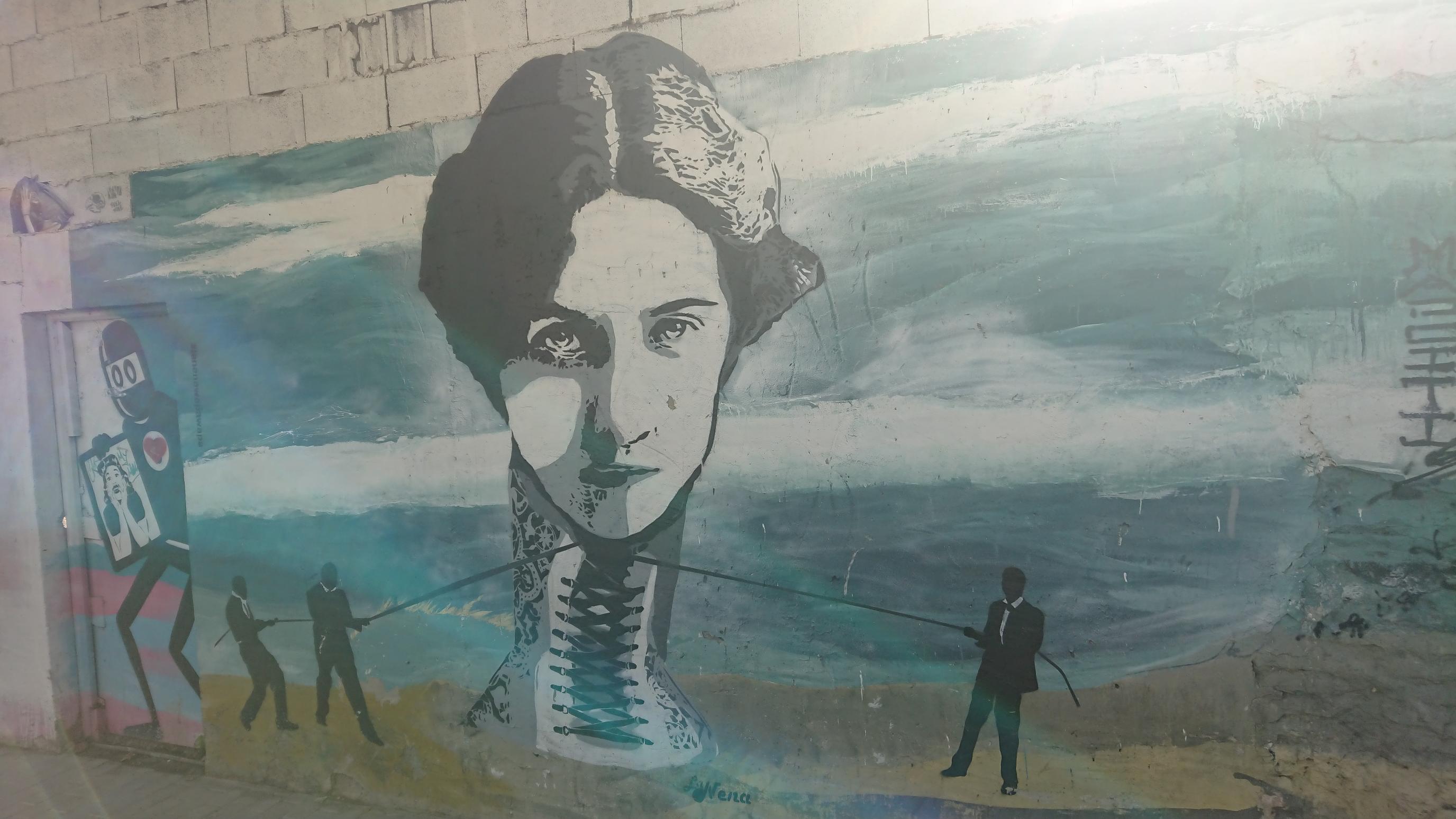
Exciting graffiti in a derelict area of Valencia.
DSC_3087
DSC_3088

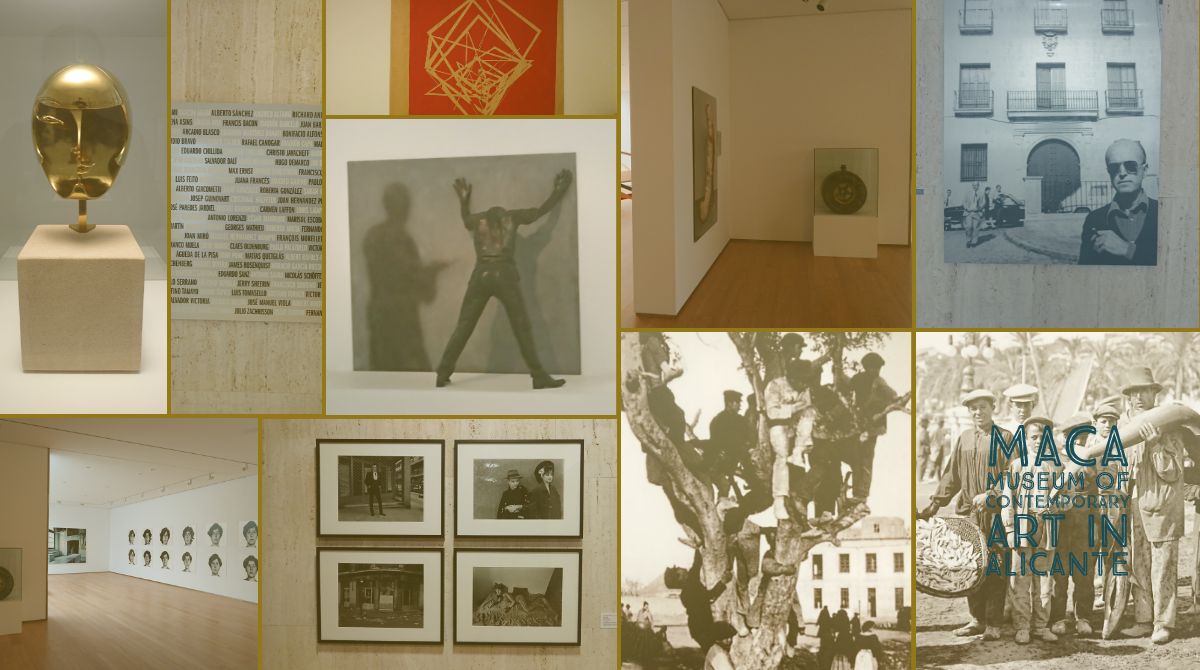
Visit to MACA in Alicante.

Adobe_Post_20181022_132258

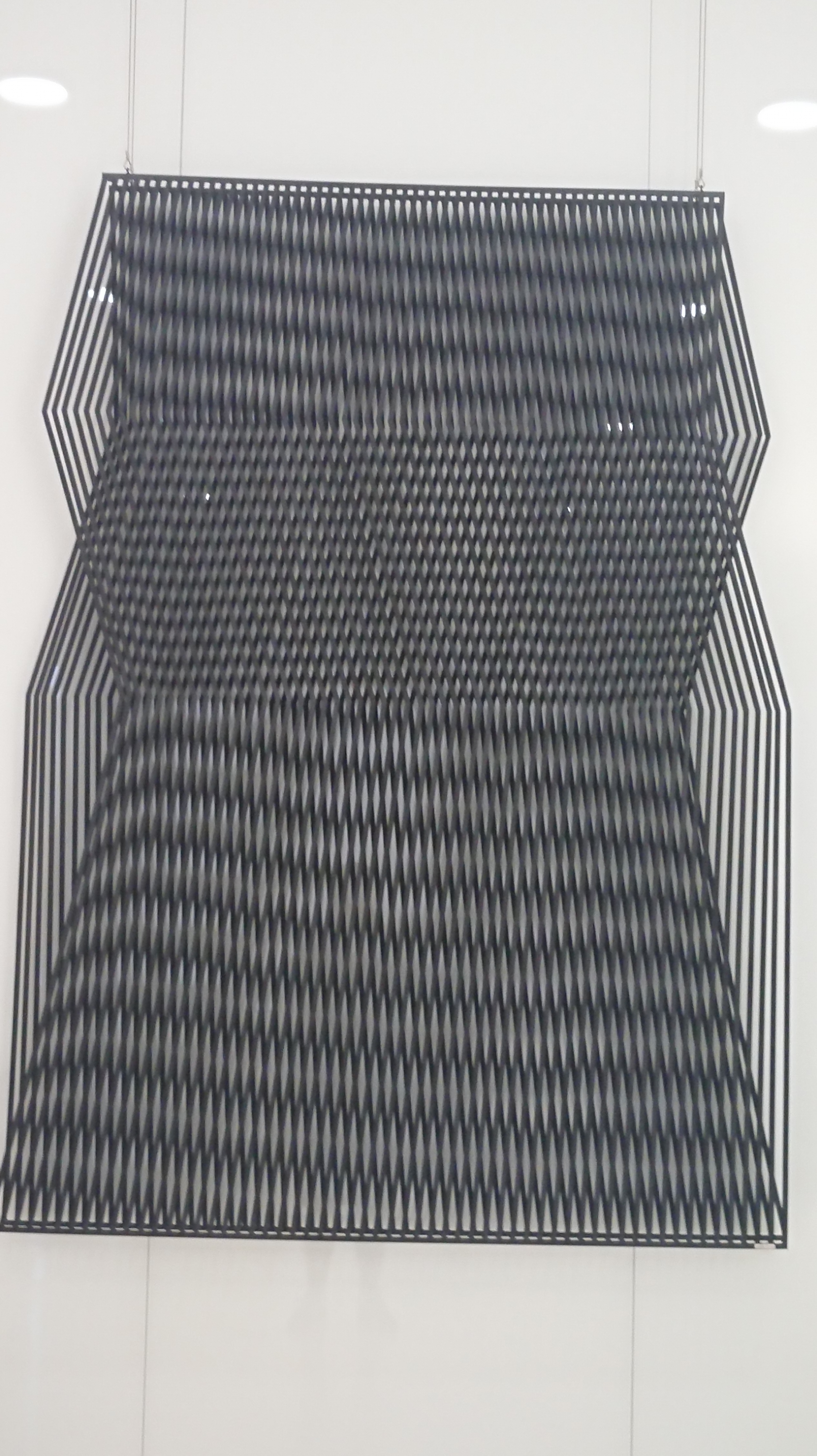
There was a range of work on display by the famous Eusebio Sempere.  The other work included op art installations by local artists and paintings with references to the Spanish War.

I felt quite disappointed with the currency of work in the gallery, which is supposed to promote the contemporary arts in Spain. The building, however, was truly inspirational and provided  me with some opportunities to explore ideas of optical illusions in architecture, especially corridors and staircases.

Unfortunately, I was not allowed to photograph them.

DSC_2952.JPG

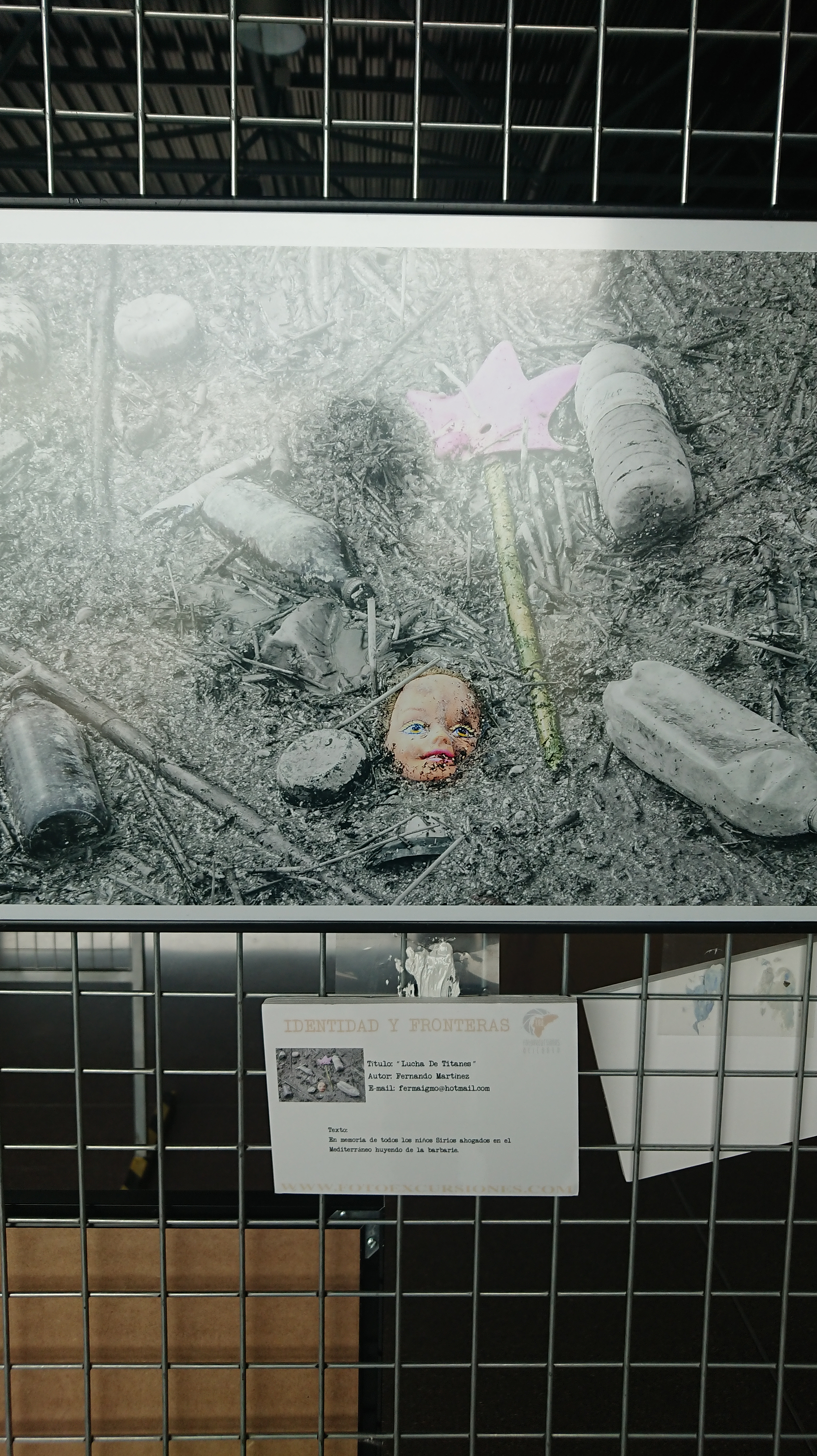
Exhibition at the Bus Station

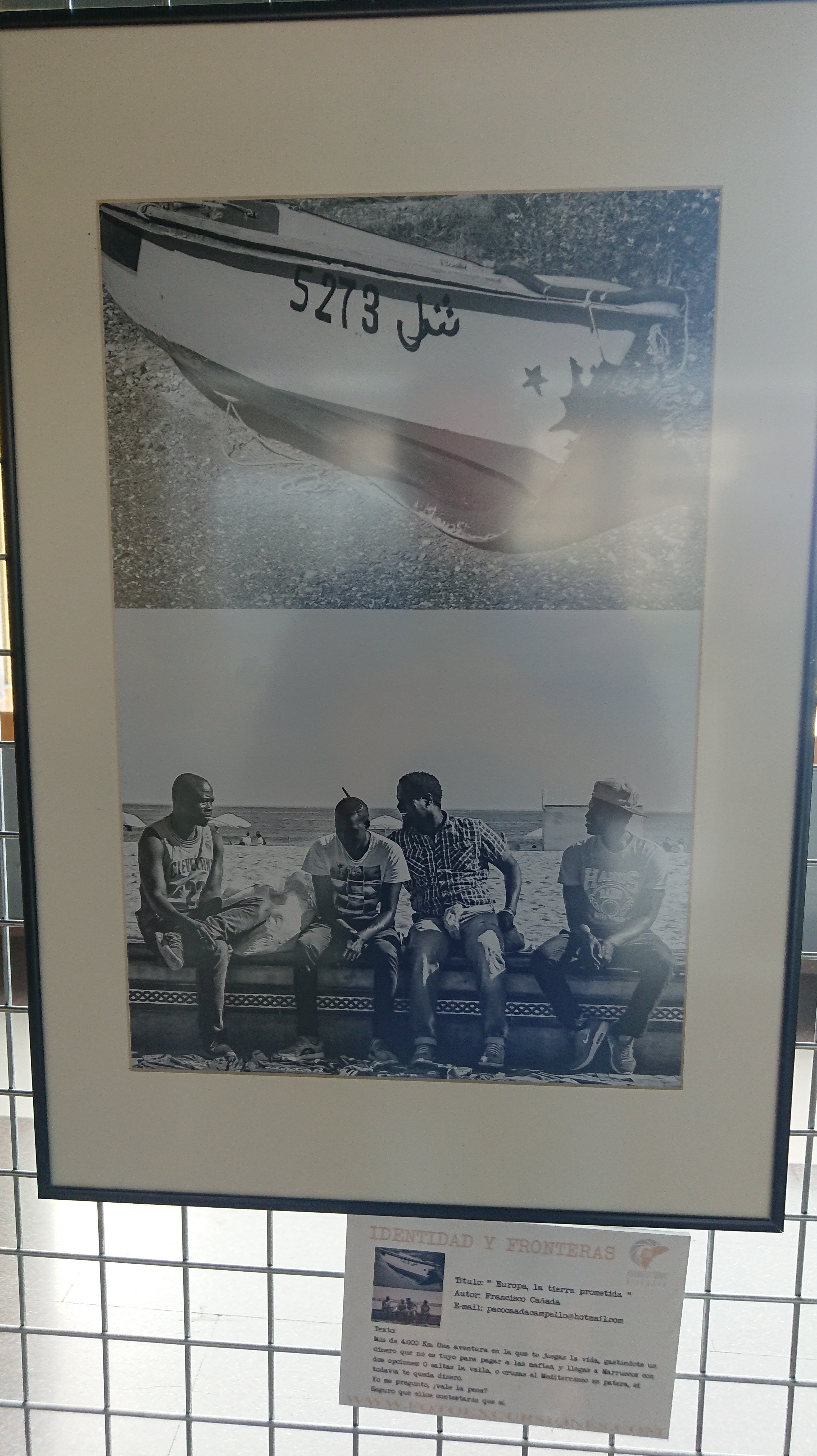
‘Boarders and Immigration’

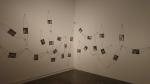
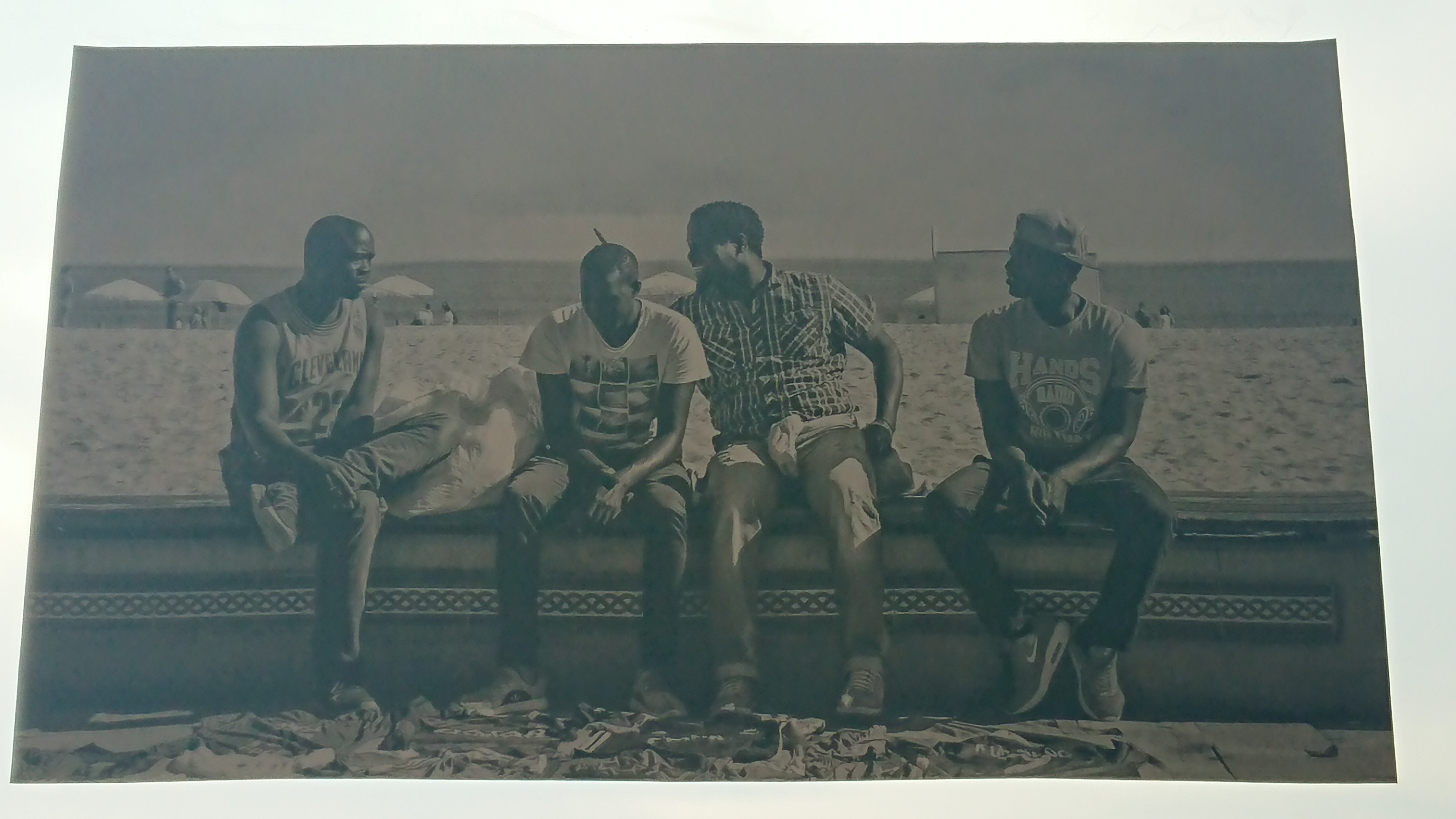
Surprisingly, the most inspiring exhibition of work was at the coach station.  The was a range of dramatic photographs on display made from broken wire dancing material. This adds to the element of reality, while creating a more appropriate setting for the content of the photographs than a typical white and clean wall.

honduras_protest.jpg_1718483346

(Photo by telesur. com)

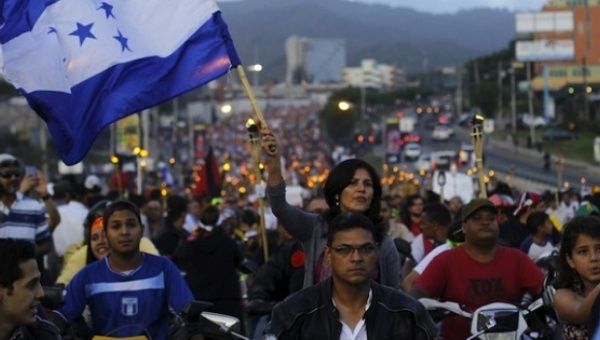
Uncertainties of the characters in these photographs are on a different scale to what I have ever experienced. The timing of this exhibition coincides with the March of 7000 mainly Honduran citizens through Guatemala and Mexico towards the American boarder. I have travelled vastly through all those countries and have many good friends there. Practically, every family is affected by the consequences of gang violence, “war tax”, drug smuggling and loneliness, which is caused by emigration. Perhaps, I need to include these important issues as a serious consideration in my research.

DSC_3050
DSC_3051
DSC_3052
DSC_3049
DSC_3057.JPG

Photographs, which I took this morning, while wandering far beyond the touristic strip through rough parts of town.  There is one word, which links all Latin countries around the world.

This word is ‘peligroso’ meaning dangerous, vertually, physically and in terms of a common mood in all those places.

DSC_3047
DSC_3048
DSC_3046
DSC_3045

There Is No Time!

Waste of Time

MAP – the arrow of time.

  • The thermodynamic arrow of time
  • The cosmological arrow of time
  • The quantum arrow of time
  • The perpetual arrow of time
  • The psychological arrow of time

The arrow of Time (entropy).

The second law of thermodynamics states that in case of systems, which are isolated, their entropy can only increase. It cannot ever decrease. Therefore, measuring entropy is a way of differentiating between the past and the future.  It allows us to comprehend, what is already behind and what is yet to occur.

I plan to experiment with this idea and design a map of time with references to different levels of certainty.  Will anxieties of the past become much more obvious in the future?

What would happen, if I contradicted Machian’s theories of dynamics and quantum geometrodynamic perspective by stating that there was no time! (Butterfield, 2001)

Does it mean that my experimentation with moving image should develop and progress, therefore stop? Should my work remain still?  Is stopping time the answer to all uncertainties of the future?  The list of questions could easily flow.

In the context of the potential to save money in Haiti, time as concept is irrelevant.  There is simply not enough income to put anything aside.  There are not enough resources to sustain life.  Therefore, dreaming about purchasing unnecessary objects and the associated frustration of wasting time to be able to save ‘nothing’ is a morally unsound torture.

I propose to experiment with images, which indicate desire to possess “something”, something physical.  There is, however, absolutely no potential or chance for this dream to come true and materialise.  Everything is suspended in the sphere of wishes and imagination. The time has already stopped there.

The dream of owing a kettle becomes more and more vivid, but it never gets a chance to materialise itself and become real. It gets ‘stuck’ somewhere in the sphere of imagination, between needs and desires.  The most disturbing is the fact that when you expect it to fully form and appear to be real, the film challenges the predictability of the narrative by stopping the kettle in the process of appearing.

Staring at a grey wall deadpan, day and night.  This is all that what is left.  Human suffering has no impact.  We have seen this all before.

“Underlying this chamber is a number of allusions to recent Polish history – the ramp at the entrance to the Ghetto in Warsaw, or the trucks which took Jews away to the camps of Treblinka or Auschwitz, for example. By entering the dark space, visitors place considerable trust in the organisation, something that could also be seen in relation to the recent risks often taken by immigrants travelling. Balka intends to provide an experience for visitors which is both personal and collective, creating a range of sensory and emotional experiences through sound, contrasting light and shade, individual experience and awareness of others, perhaps provoking feelings of apprehension, excitement or intrigue.”

(THE UNILEVER SERIES: MIROSLAW BALKA: HOW IT IS

Uncertain Nature of Possessions

Image result for art michael landy his destroysLandy stands in front of the exhaustive catalogue of 7,227 of his belongings – in the end,all that remained was his blue boiler suit (Credit: Michael Landy/Parisa Taghizadeh)
 

“The ultimate irony of Break Down (title) is that, as soon as it ends (the process of distraction of all own belongings), Landy will have turned himself into the ideal consumer – a man who needs to be sold new underwear, pyjamas, shoes, toothbrush, hairbrush. ”

(Dormet, 2001)


Refinements of earlier expertimentation.

The documentary narrative evidences the meaning of time, which is necessary to save money to purchase goods, such as lamps and TV sets.  The “goods appear and disappear” silently without any impact on life and the surroundings.  Are they therefore necessary? What is their purpose and function?  Is life fulfiled by a meaningless process of collecting objects?  Why cannot we exist without them?


“Is Break Down about the transience of consumer goods?

ML: Yes, many consumer objects have an in-built, compulsory obsolescence. Companies don’t want their goods to last long and that determines what materials they use. People have also generally become less able to understand how things work: objects have become much more complex. People are no longer able to maintain them properly, let alone repair them themselves.”

“Stallabrass, 2001”


Initial experimentation with the uncertain nature of physical possessions in the context of time and necessity.


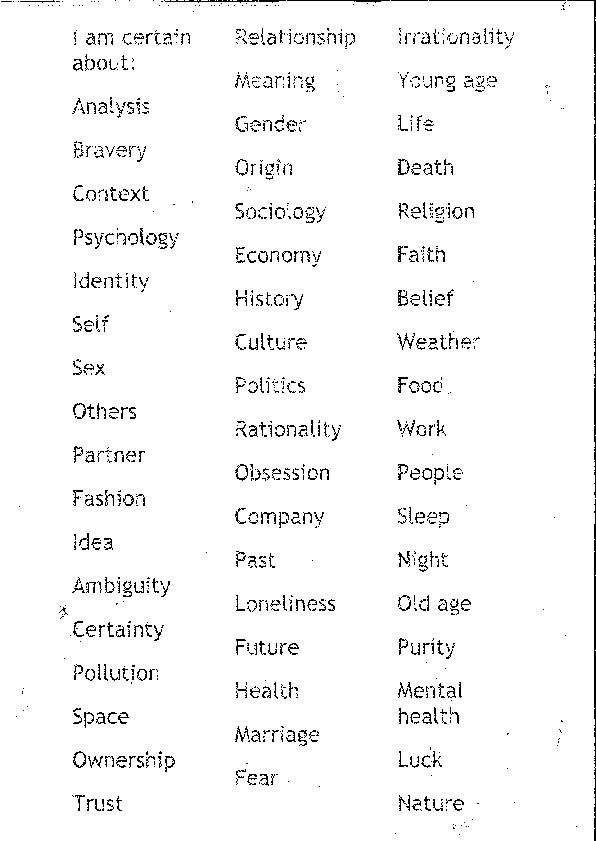
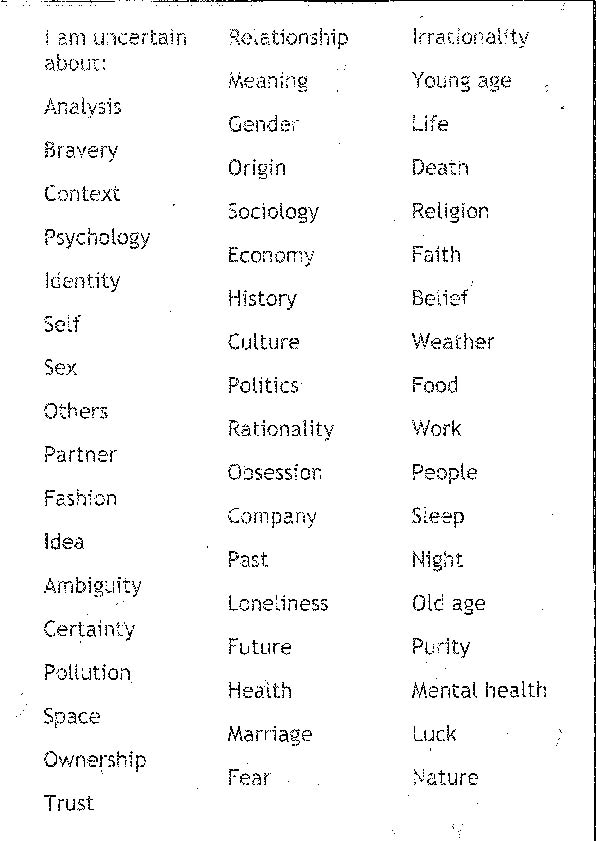
I AM CERTAIN I AM UNCERTAIN

“Some texts are going to be reinforced, some will lose a lot compared with my original intentions, but I think that is okay. I’m just going to let that happen, however it happens. They’re out of context, so they become a whole new kind of experience … I am using these otherwise finished texts as raw material for a whole other idea … I am not as emotionally involved with the individual pieces as I would be if I were trying to re-install each one. I’m using this stuff in a kind of abstract way, or pretending it is abstract and allowing almost random associations to appear.”

(Nauman, 2018 )

Bruce Nauman, ‘Good Boy Bad Boy’ 1985

Bruce Nauman
Good Boy Bad Boy 1985

Map of certainties and uncertainties.

Final film maquette with both voices mixing together.

The concept for this experiment was inspired by the work of Bruce Nauman, especially…

The simultaneous juxtaposition of a map of certainties and uncertainties creates an atmosphere of confusion.  I have purposefully chosen a young person, who represents a different generation to my own to reinforce the legacy of uncertainty that we leave in our wake.  I am plagued by uncertainty in response to the current turbulence and the pace of change.  The younger generation are ill equipped to understand and comprehend the uncertainties they are presented with.  Their inability to embrace change causes anxiety, distress and mental health issues.

“We live with an epidemic of anxiety. In 1980, 4% of Americans suffered a mental disorder associated with anxiety. Today half do. The trends in Britain are similar. A third of Britons will experience anxiety disorder at some stage in their life, with an explosion of reported anxiety among teenagers and young adults. Anxiety, depression, self-harm, attention deficit disorder and profound eating problems afflict our young as never before.”

(Hutton, 2016)

Younger people isolate themselves are immersed in the artificial online world, which lacks physicality of experience and reality of existence and human contact.

The more self-contained you are, the more lonely you can become and inadvertently find yourself with no one.

Visualising Uncertainty

Antonio Machado:

“Wanderer, your footsteps are

the path and nothing else;

wanderer, there is no path,

The path is made by walking”

(Alonso, 1980)

There are certain benefits of uncertainty.  Perhaps one the most significant advantages is “chance”.

Our obsession with uncertainty about the future can be visualised in terms of probabilities.  These are very difficult to communicate effectively outside the time typical infographics, including graphs, charts and diagrams.  The impact of Hi-Tec and interactive methods of visualisation offers totally new opportunities and can be of  substantial help here.  However, communicating deeper uncertainties remains problematic due to incomplete or disrupted knowledge and other external factors, which may affect our perception of the nature of what we are unsure of. Are we purely entertaining the feeling of being unsure?

Confidence is frequently perceived as a sign of arrogance?

This thought has led me to exploring the importance of chance and probability in the context of my response to what I feel is certain and what is not.

Contexts of certainty and uncertainty

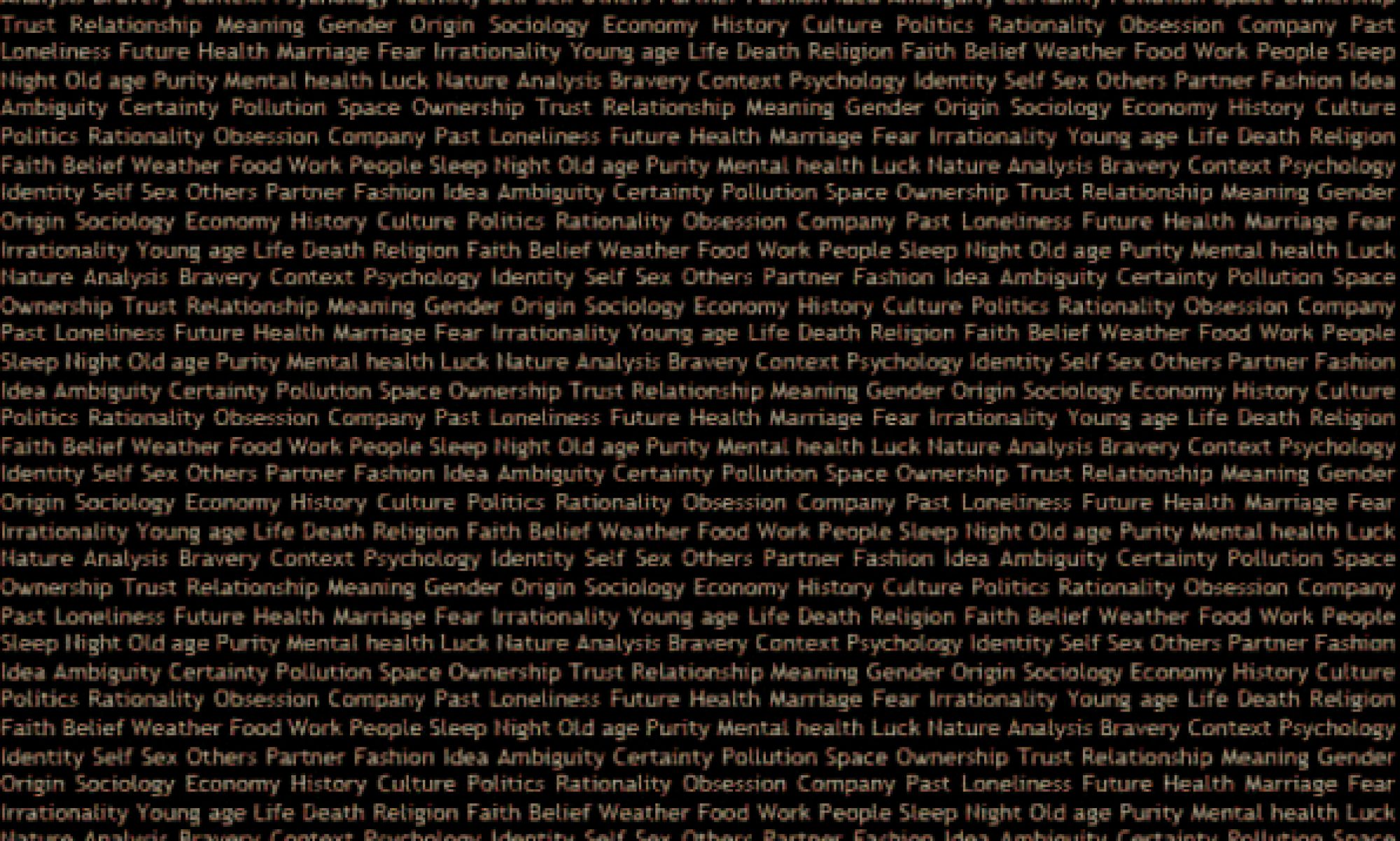
The alphabet of certainty and uncertainty.

The map of certainty and uncertainty.

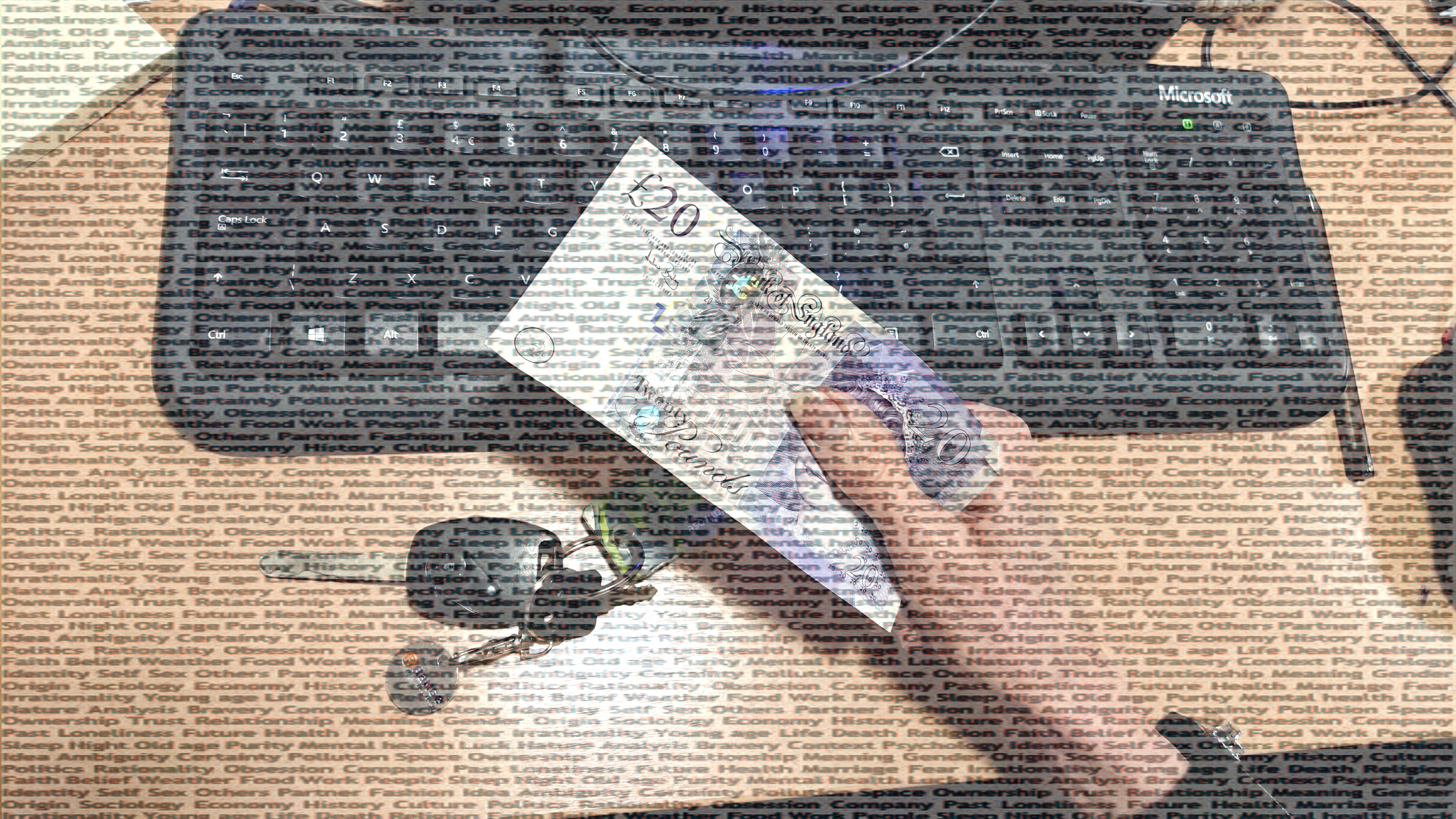
certain and uncertain money

By chance, things have suddenly become much more uncertain:

How do I measure chance in all those contexts?

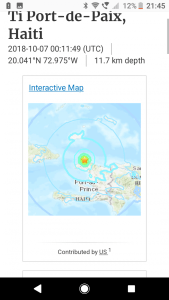
Unfortunately, Haiti was struck by another earthquake today.  All of my friends there have been affected.

What does poverty mean in the context of sustaining life?

How do I communicate the extent of uncertainties exaggerated by this natural disaster?