

art project questioning reoccurrence and ritual as a distraction to the uncertainties of tomorrow

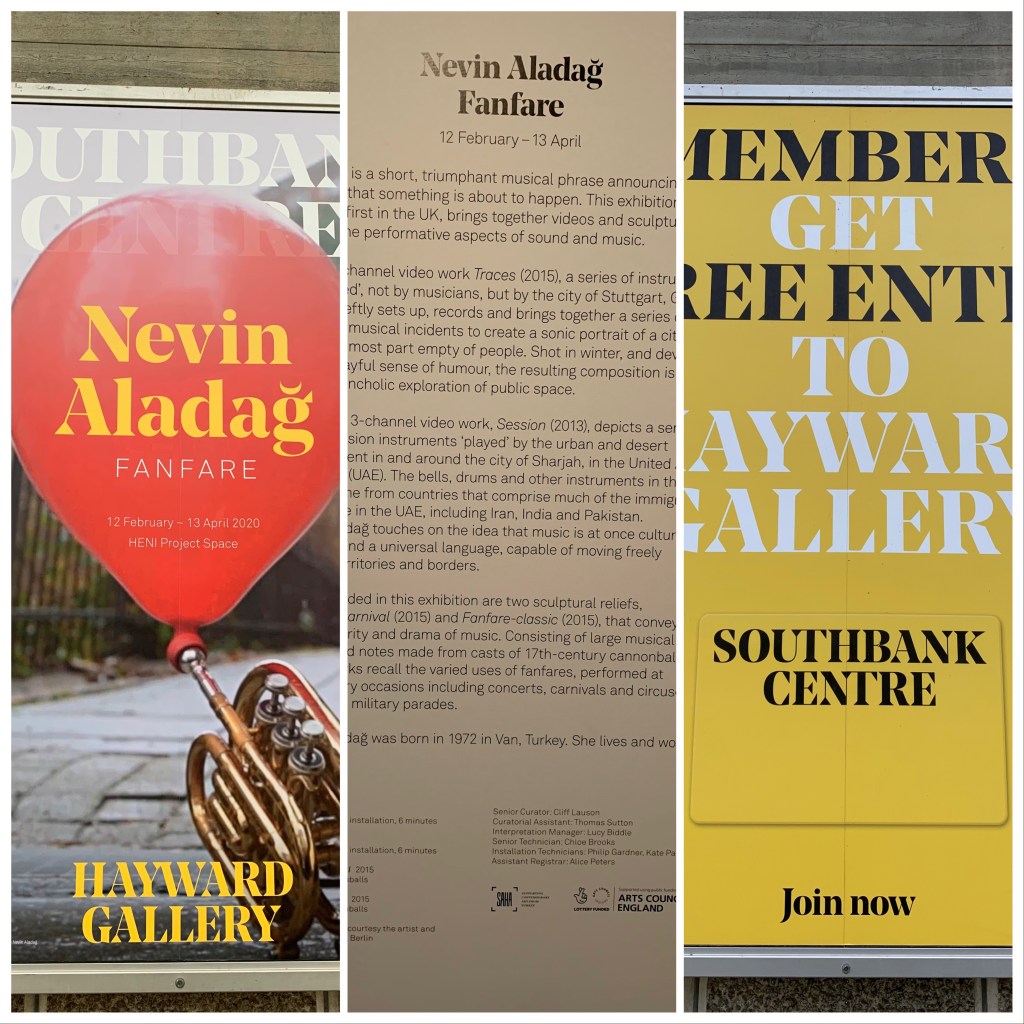
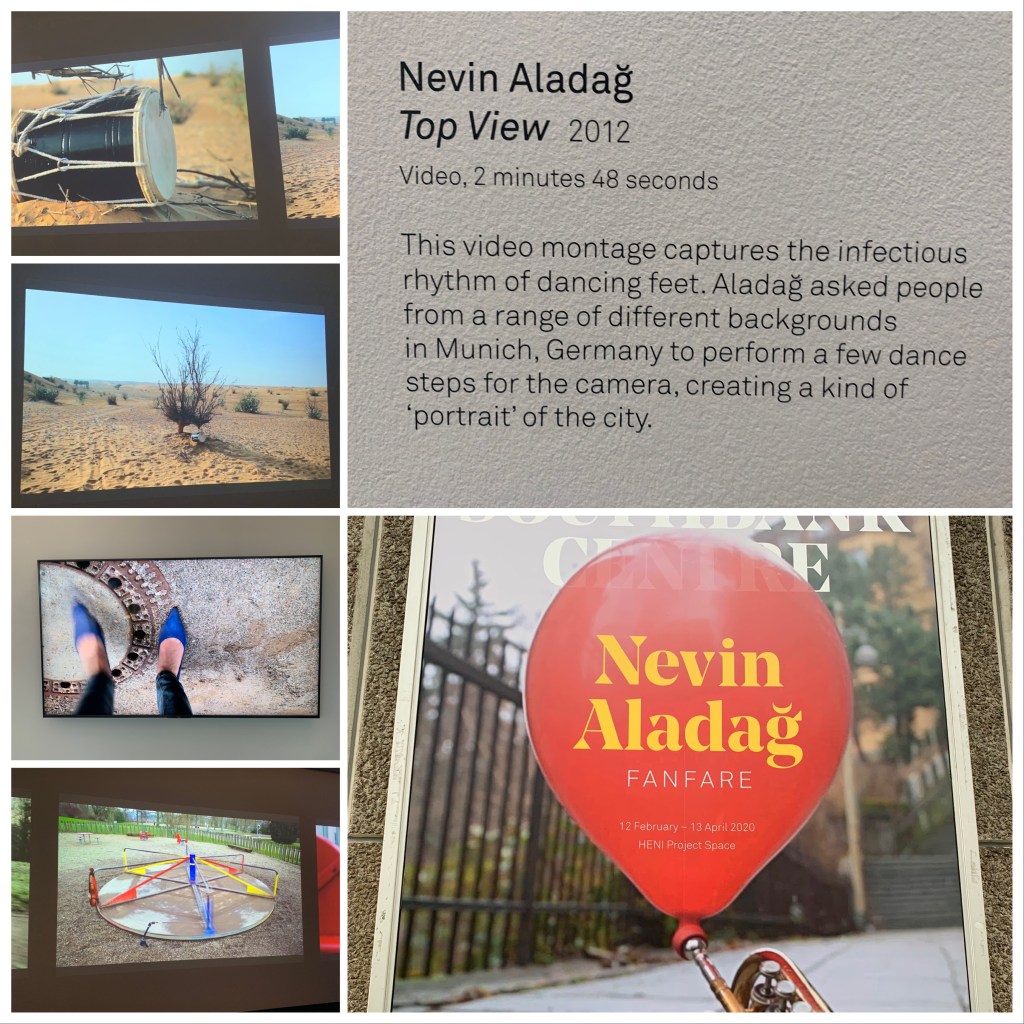
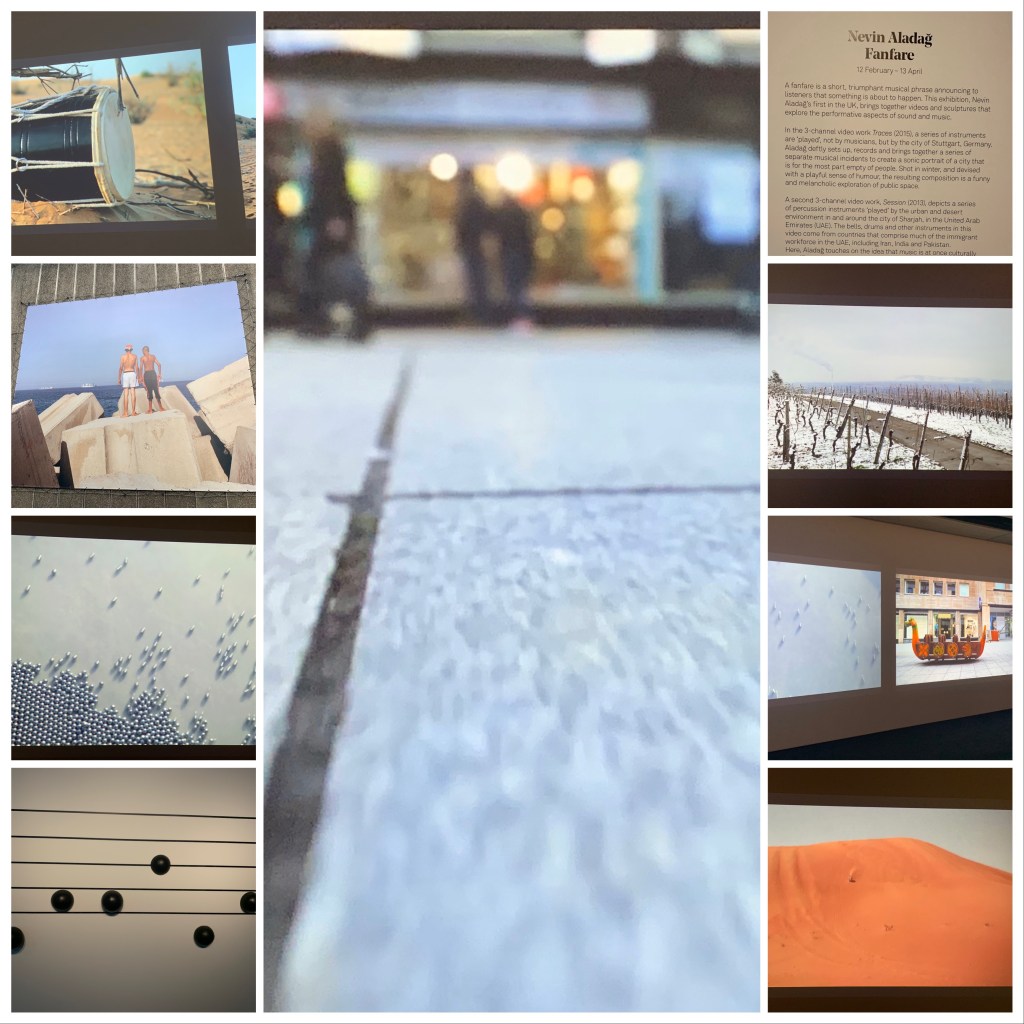
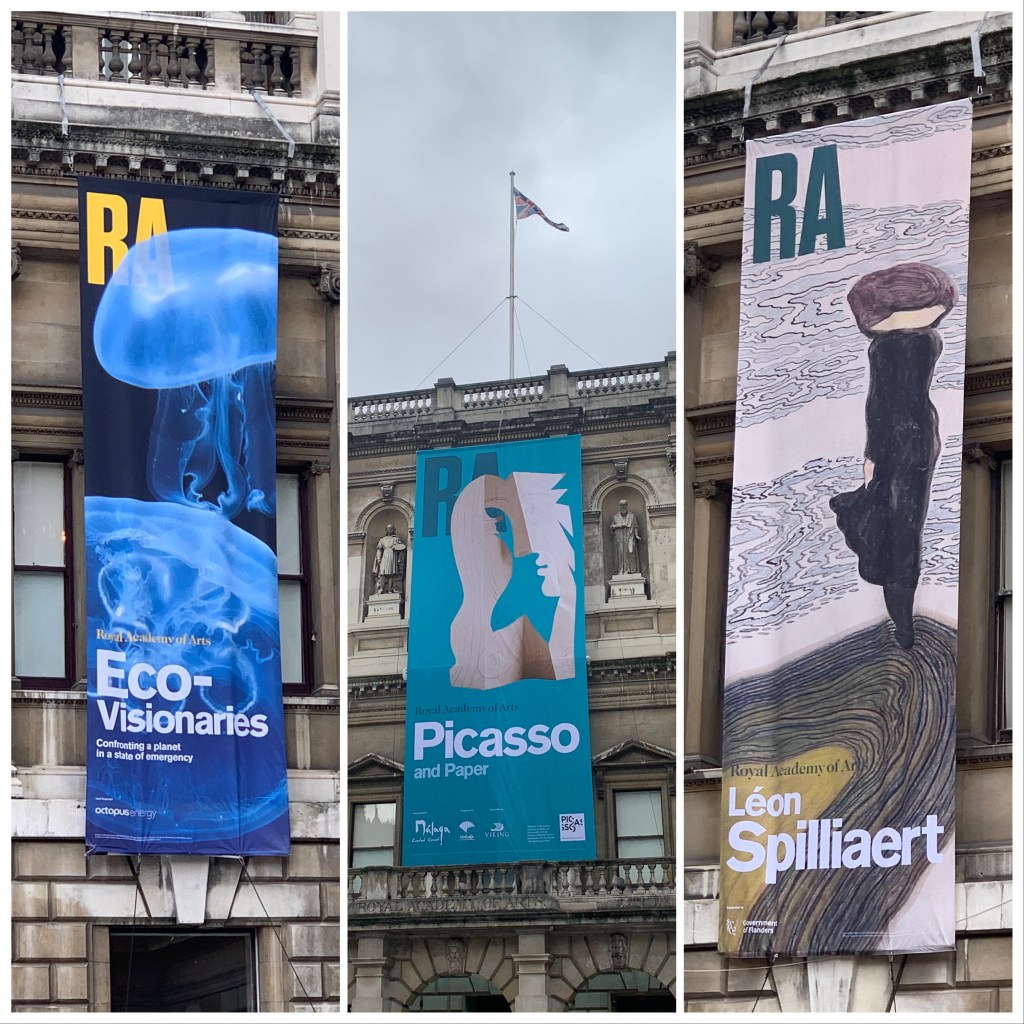
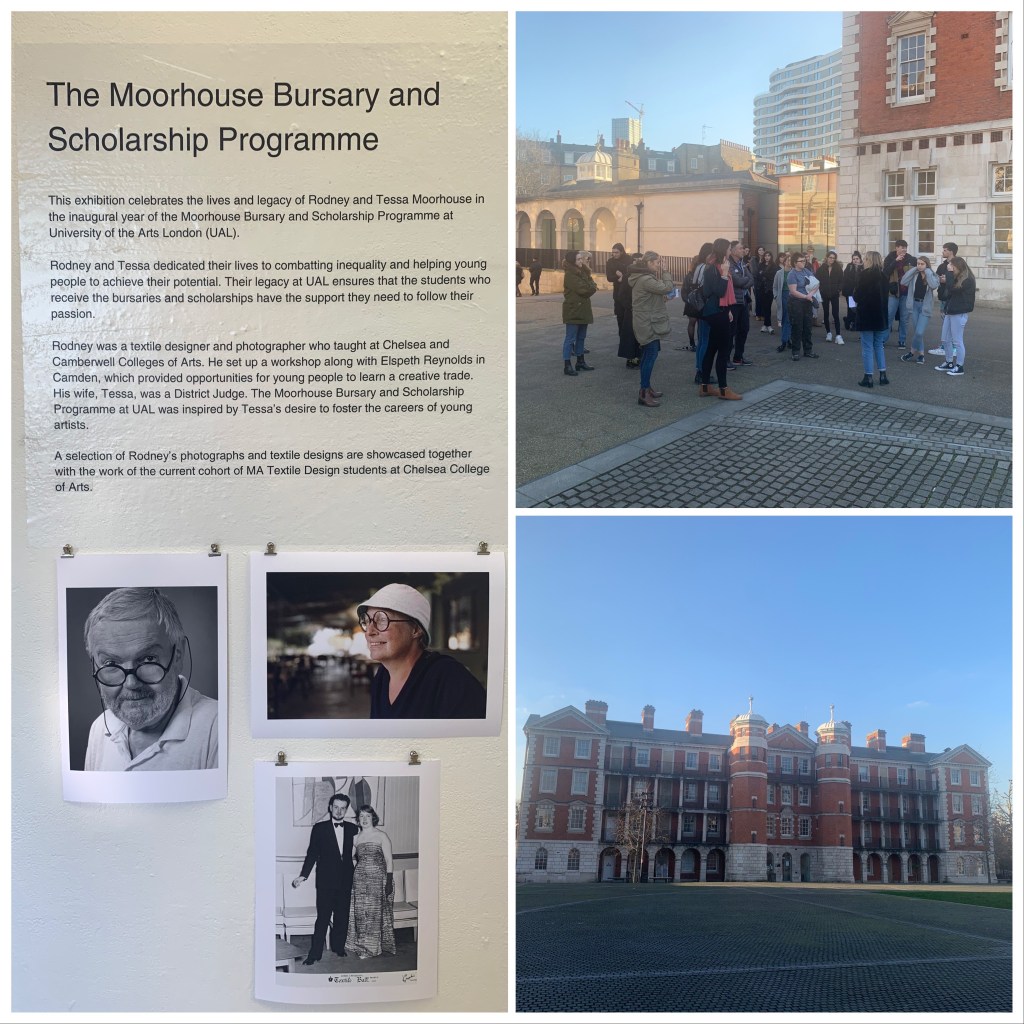
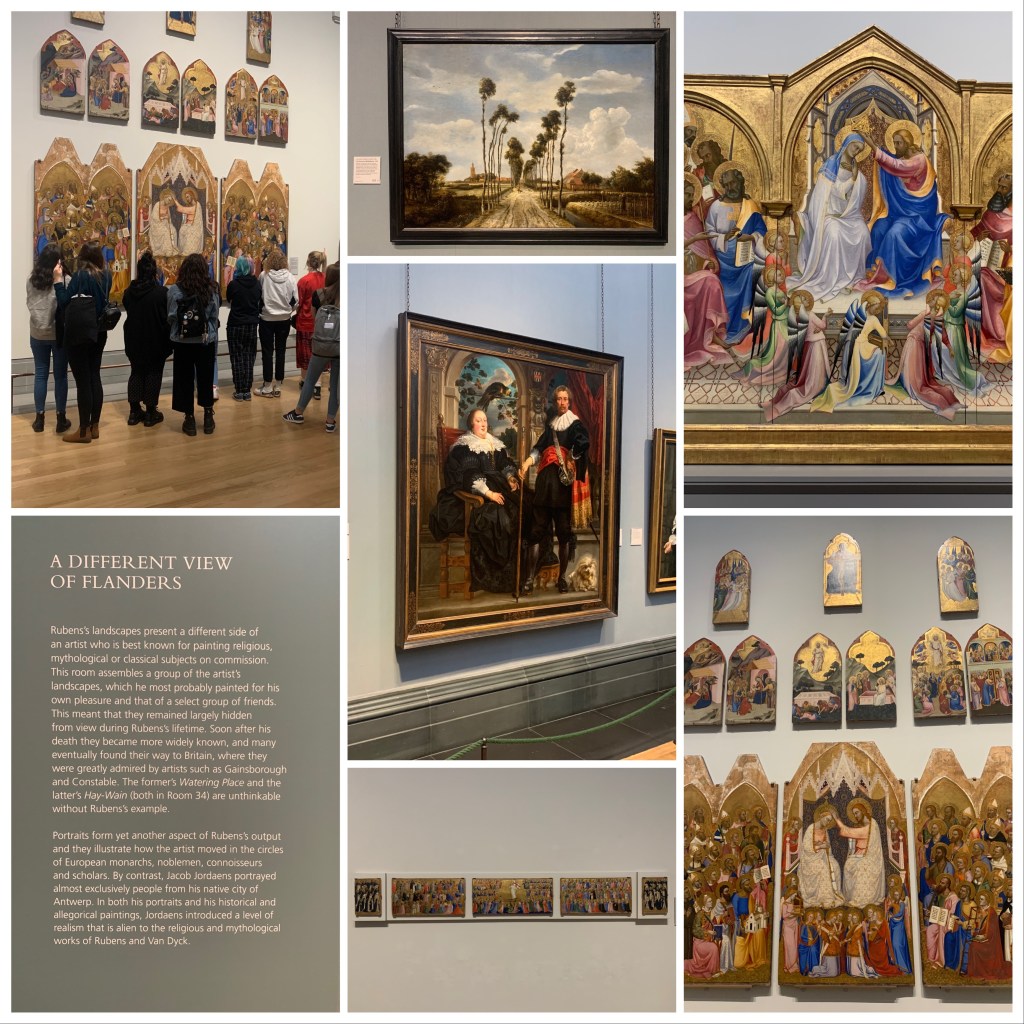
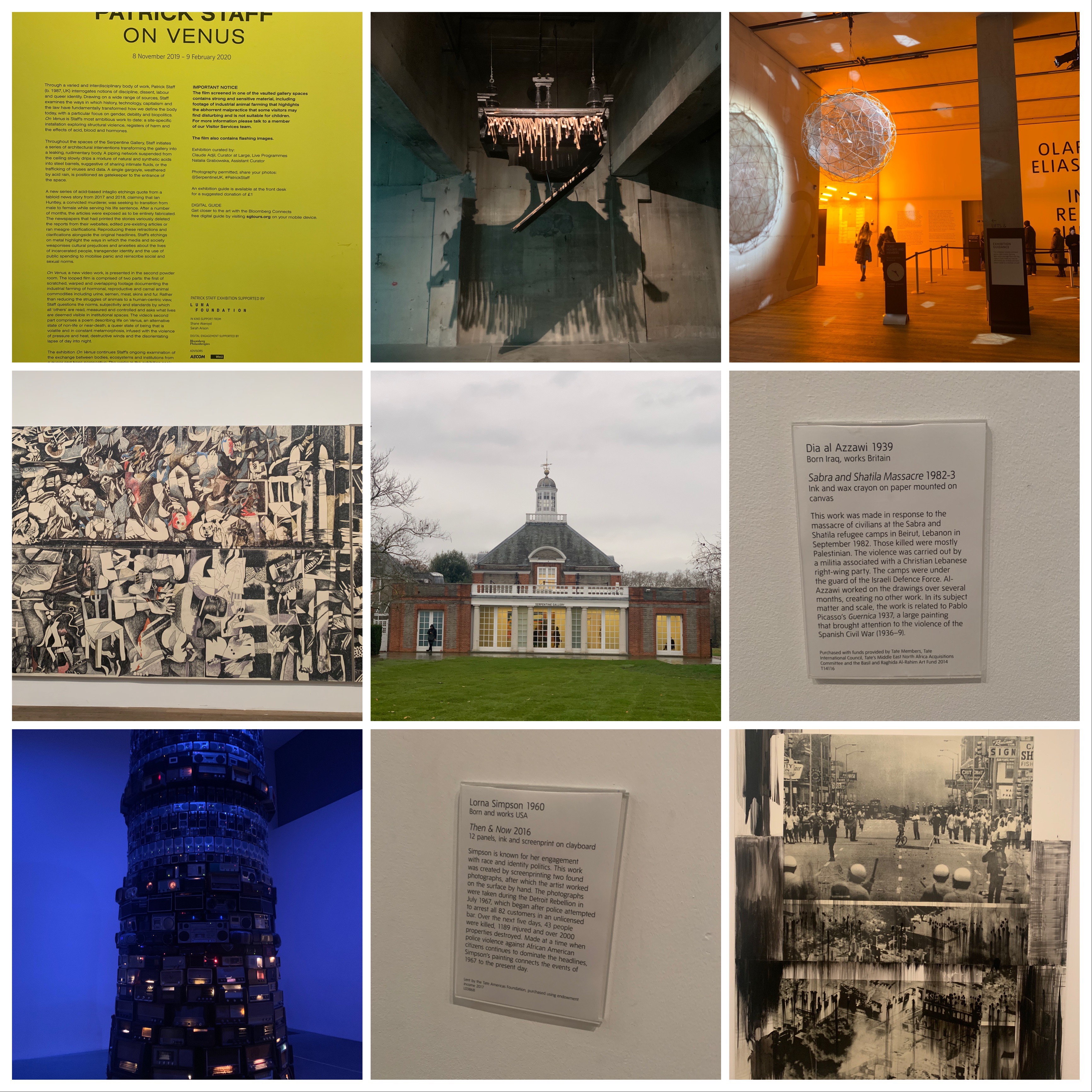
Private tour of Chelsea College of Art and all its facilities followed by a guided overview of the National Gallery and the Tate Modern.

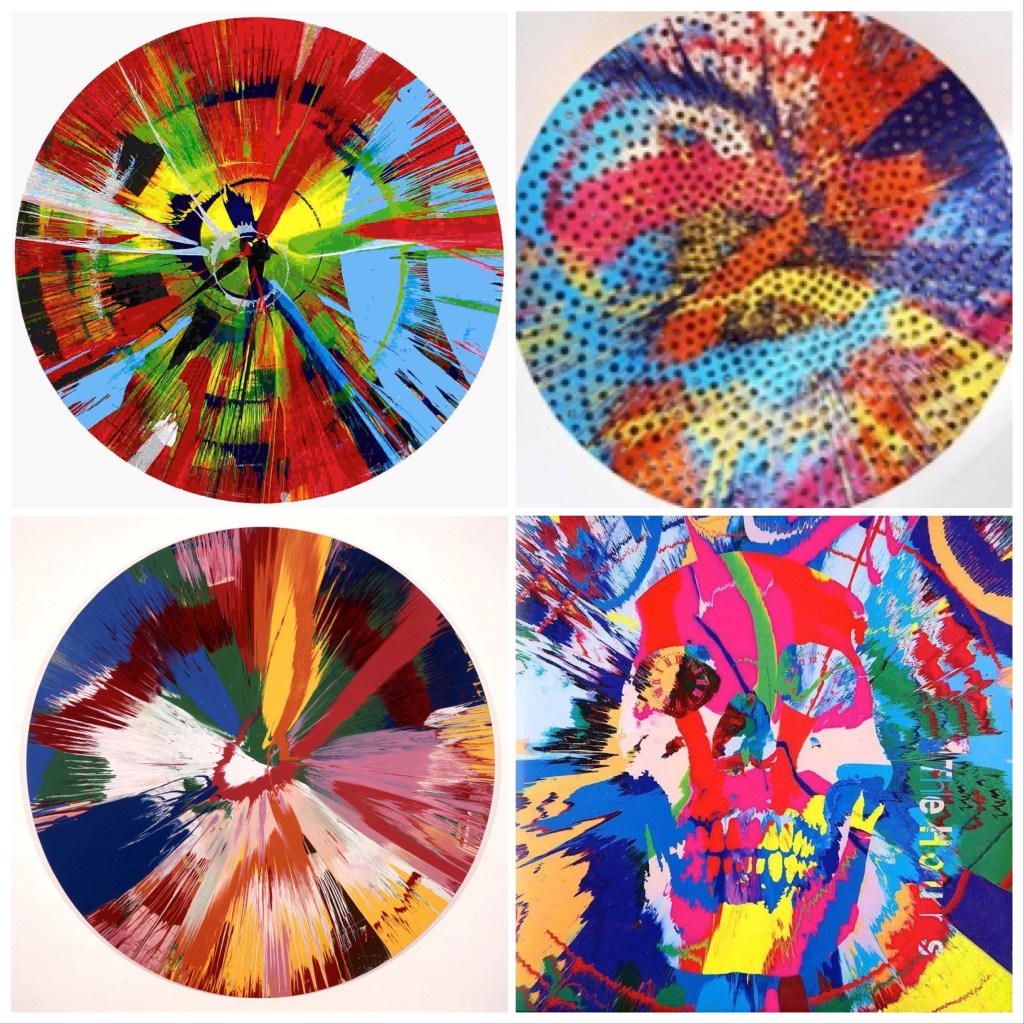
I came across the first series of spin paintings by Damien Hirst in the early 90s. I learned about this experiments, when he first started to explore a range of possibilities using this technique in 1992 and extending on alternatives by employing the idea of a stencil.
In addition to their powerful colours, patterns and textures, they were frequently composed on circular formats. I was touched by a great similarity between the look and feel of these works and my ideas concerned with recording the spinning cycle through a bullseye circular window of a washing machine.
On reflection, I came to a conclusion that his famous spin paintings were very influential in forming my new ideas for a series of images.
The spinning motion is monotonous, repetitive and echoes the nature of what I am trying to portray and question in my project.
I include a collage based on his various work below:
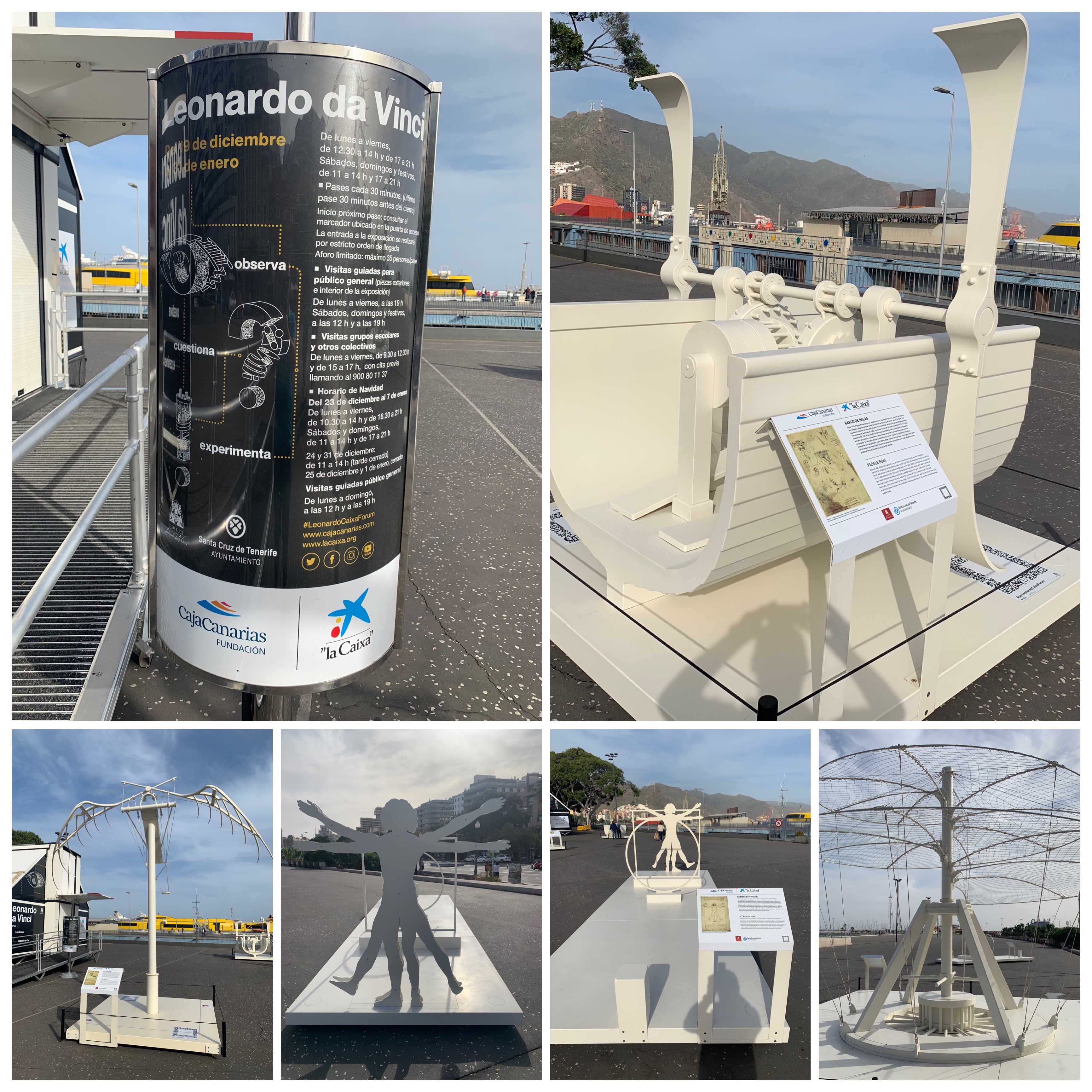
Exhibition of engineering projects and inventions by Leonardo. All in a stunning scenery of the promenade in Santa Cruz on Tenerife.
It has taken me a long time to realise that I am fascinated by erosion and destruction. This is what transforms a surface to make it exciting and more evolved. I am actively engaged in observing and recording this magic and rapid transition. Superficial new becomes old and worn almost instantly, practically overnight.
Memories implanted by transience and the patina of time leave their stunning traces on everything, while staining, crumbling, disintegrating, glazing with dirt and human interventions.
I have spent the whole day exploring some rough parts of Gran Canaria’s rotting buildings and places. I was shocked to learn how mesmerising they all were! I have experimented with these ideas, while searching for effects of destruction in my own project through blasting my paintings with water jets and spinning my work in washing machines. Paradoxically, both art and life are about turning something special, into dust and nothing. New becomes old; young ages and wrinkles, swish and desirable turns into shameful and unwanted rubbish.
Vive la destruction!


Short videos of my work can be seen at:
www.instagram.com/p/B5_hqObH224/
and documentaries of the whole show are available at:
https://www.instagram.com/mafineartdigital/
Life tends to deal with these problems naturally through repetition and obsessive engagement in distractions.
An excellent interpretation of this concept was developed by Zbigniew Rybczynski(1981) and his Oscar winning piece titled ‘Tango’.
and his subsequent 1987 animation called ‘Imagine’
Both are characterised by identical starting points and their destinations.
This would imply that there is no room for progress in hypnotic repetition?
Roman Opalka, seems to be a master of this phenomenon in his ‘Counted Paintings’ series, which consumed his life.
He began painting numbers from one to infinity in 1965, in his studio in Warsaw and continued until his death in 2011.
 –
–
Entrapment in hypnotic repetition.
Suspension in the vacuum of life.
Charlie Chaplin questioning industrial repetition as a lifestyle:
We live in an industrialised society and are compelled to take part in this repetition.
Points for discussion:
• What is your entrapment?
• Do you find it comforting and reassuring that tomorrow is going to be there?
There appears to be a sense of cohesion between life and science.
When one considers my visual responses in my project, it becomes clear that the predicament is universal.
In some small way, we are all trapped in the cycle of work, life, and existence; oscillating between certainty and uncertainty.
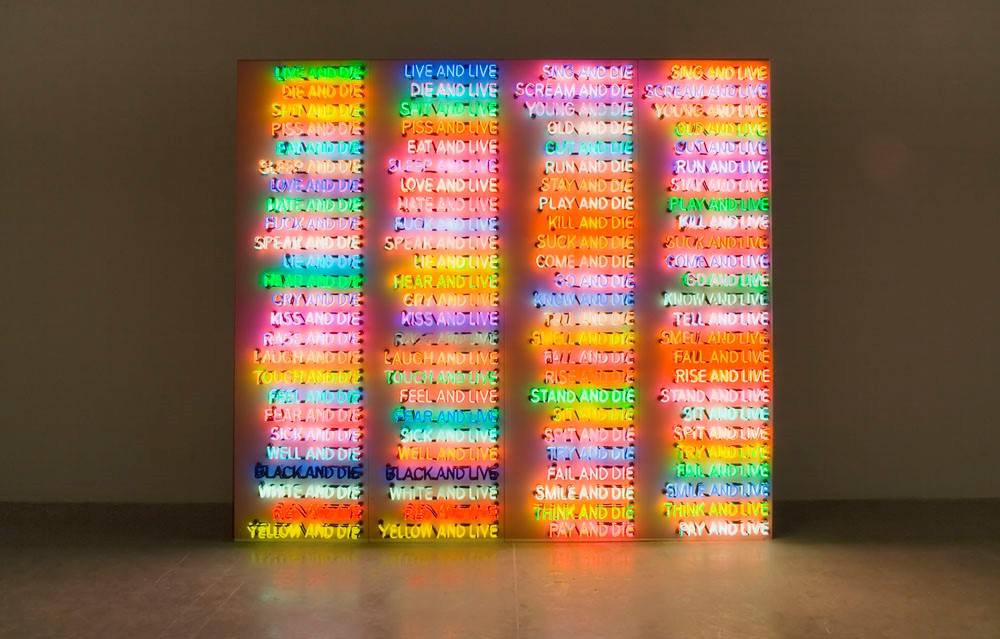
This can be, perhaps, best interpreted by Bruce Nauman in his ‘One Hundred Live and Die’, 1984. He boils down the essence of our being to the basic activities of life, without location or possessions.
When analysing my primary sources, I made some exciting observations:
– The less you have got the more certain your life appears.
– Contemporary life in a western society superficially looks certain.
– In reality, it is full of surprises and the most certain things become a nightmare.
– The more you have the more you want, and the less satisfied you are in life.
Points for discussion:
• Can uncertainty become inspirational?
• If the future was predictable would you have less motivation?
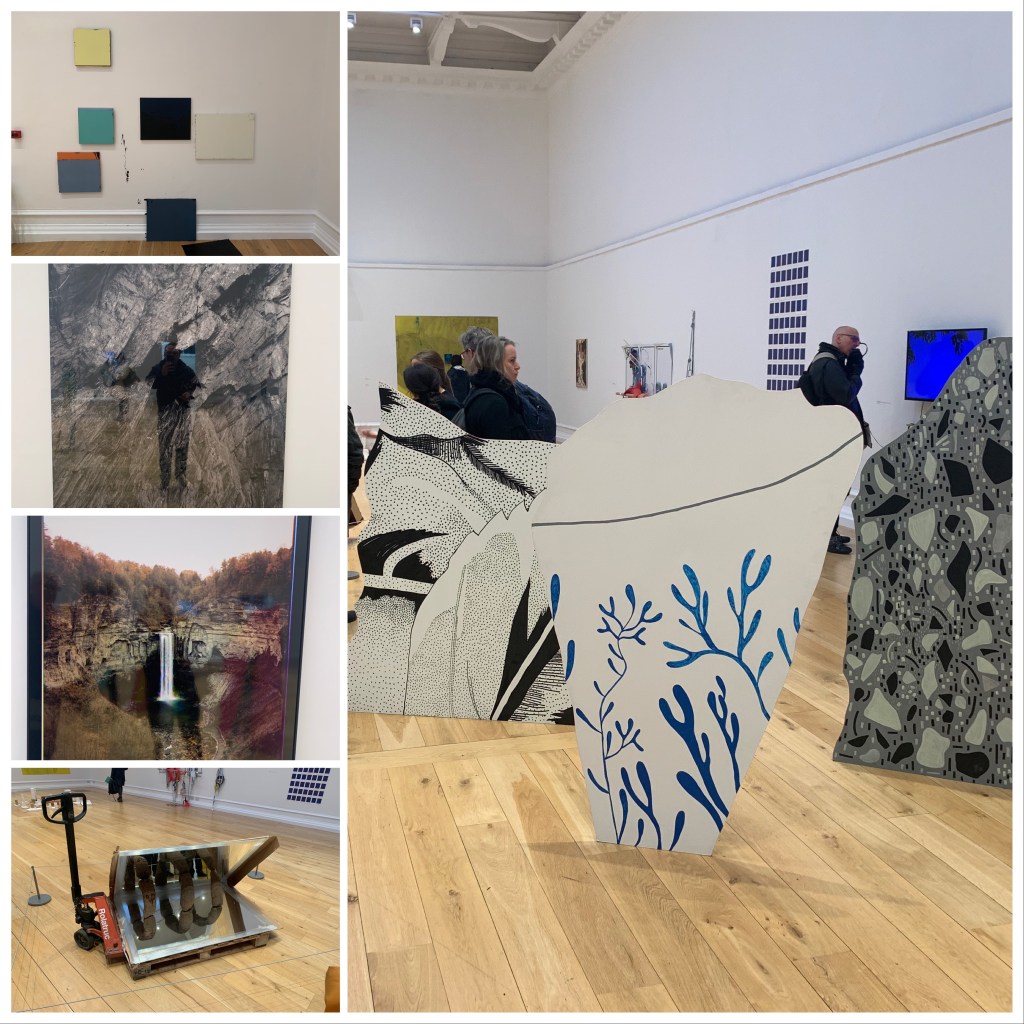
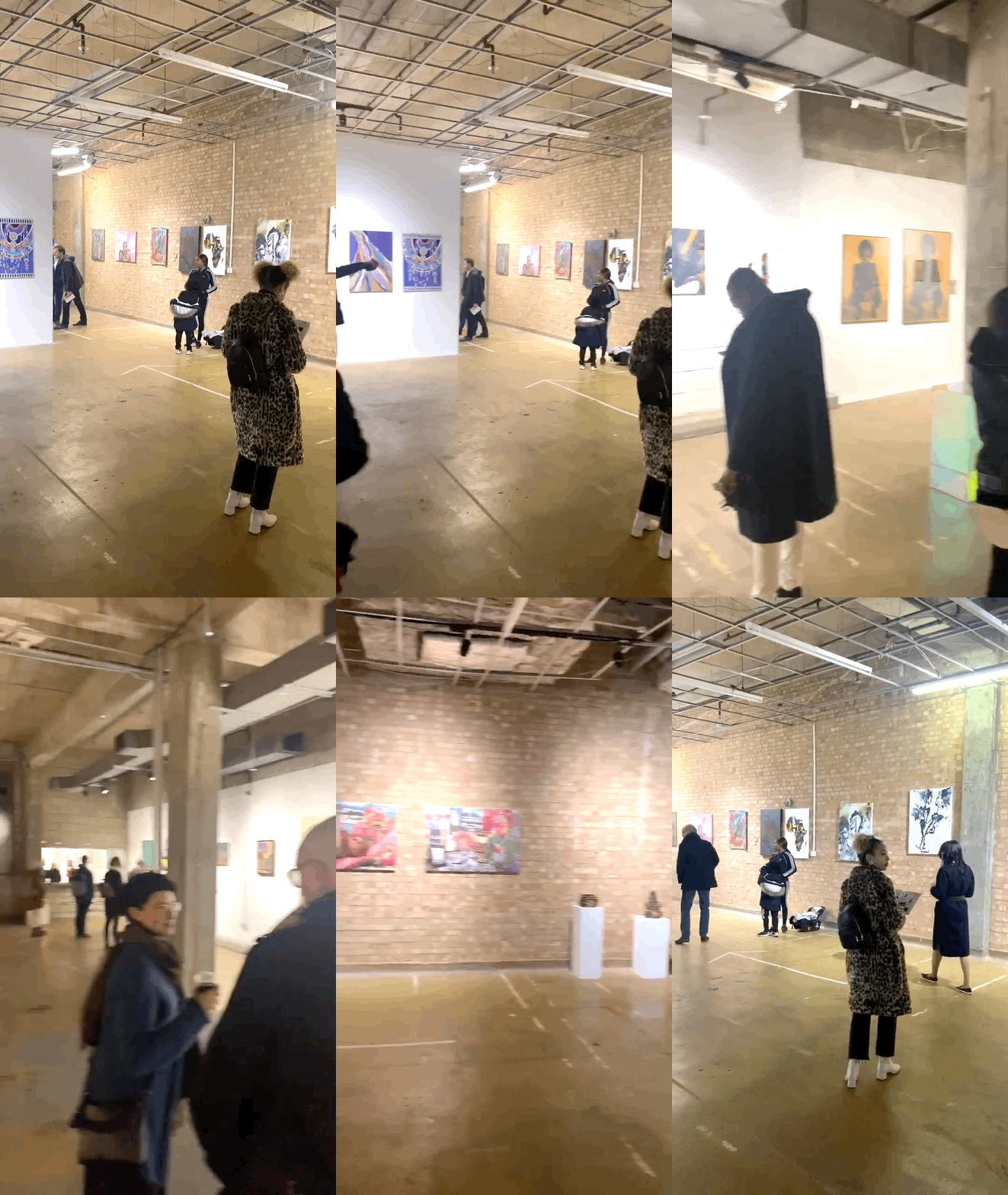
There were a range of exciting projects on display. The viewing took most of the day.
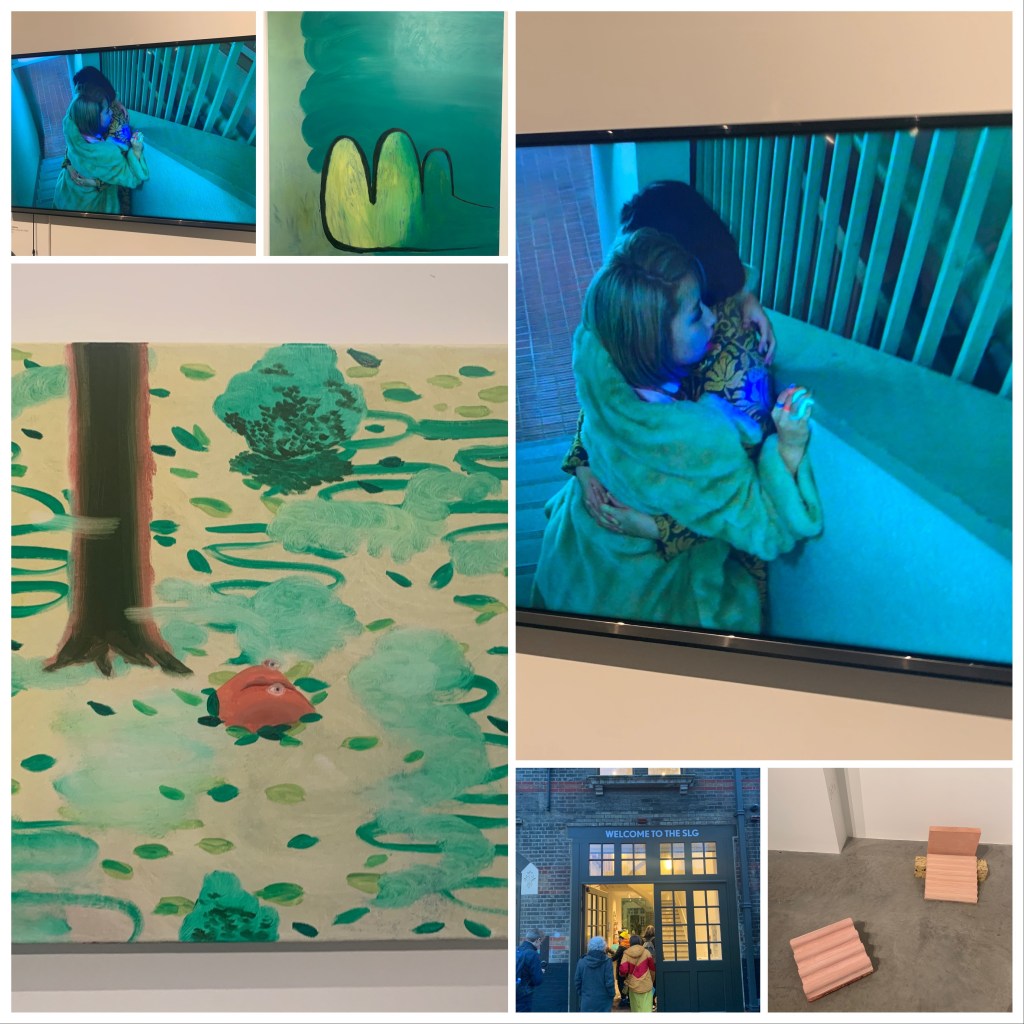
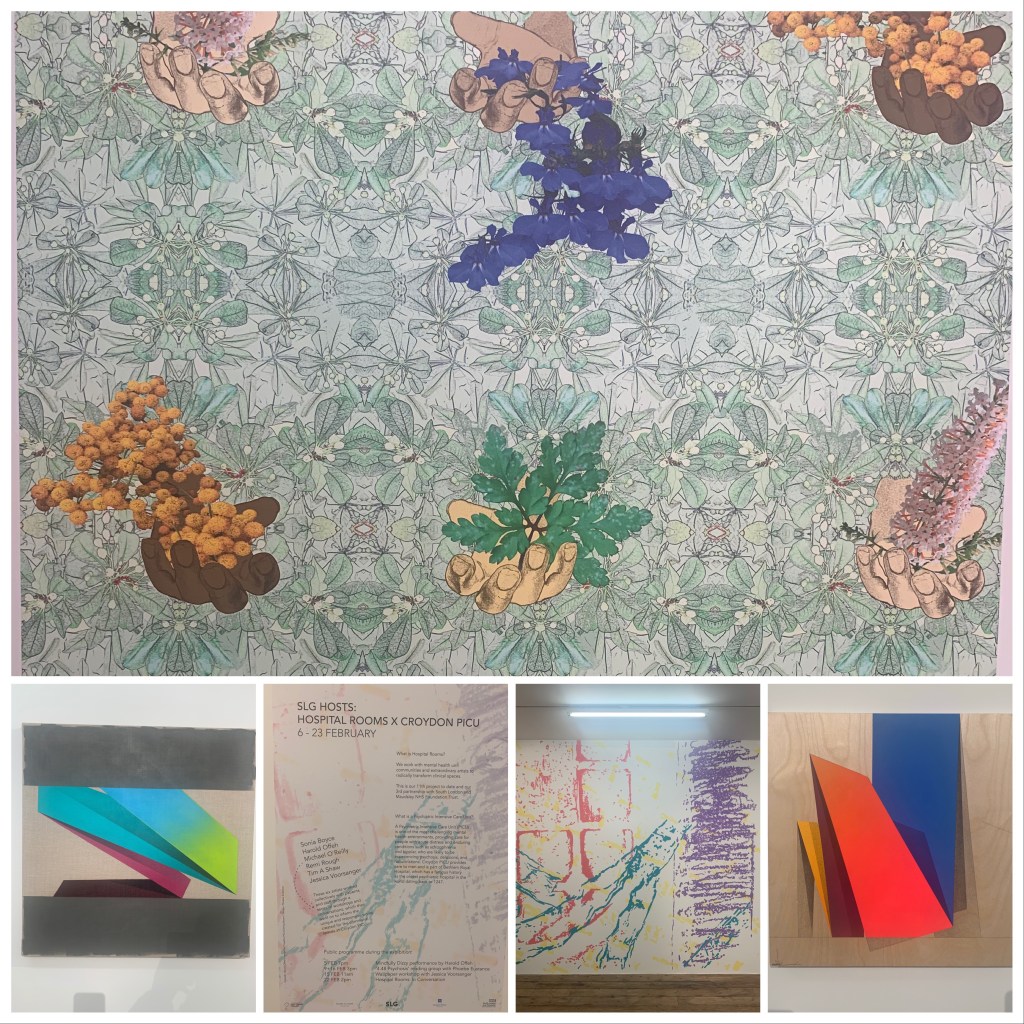
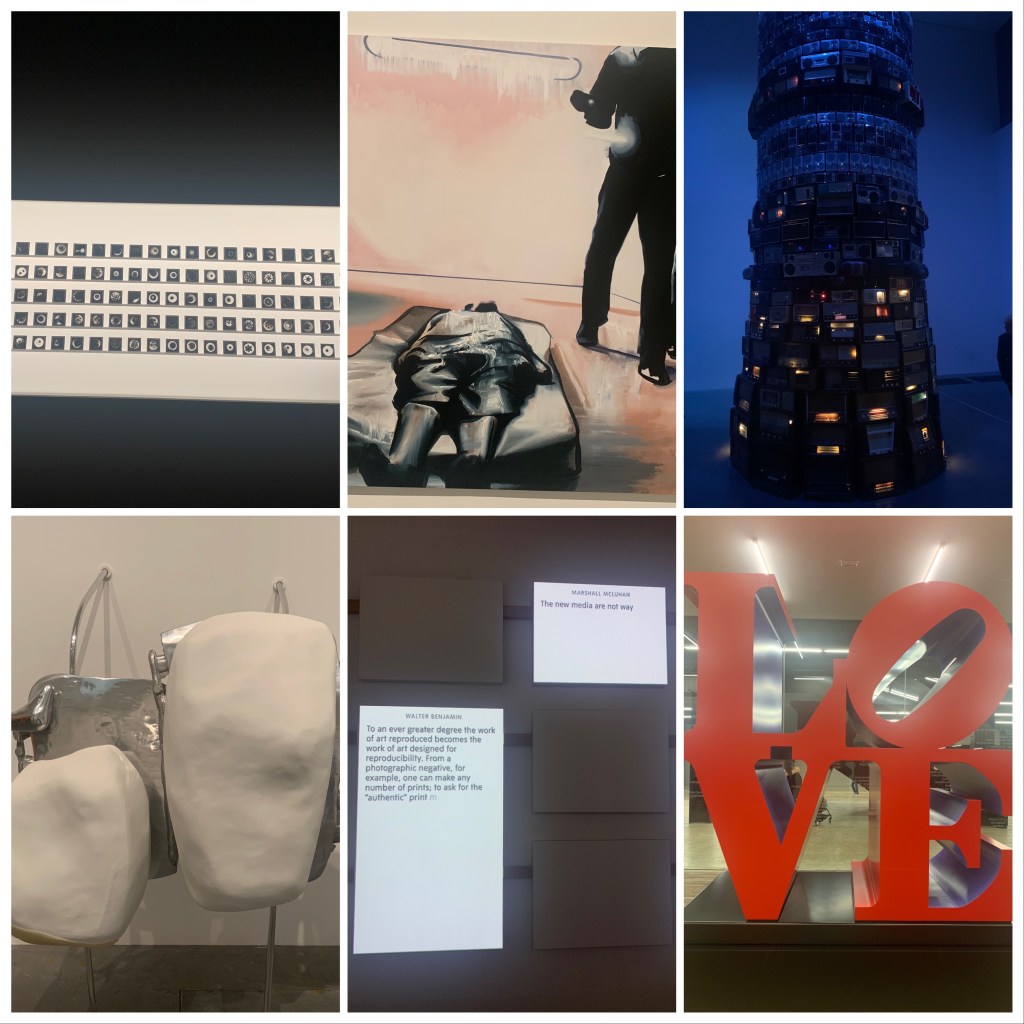
I have included several images from the visits below:
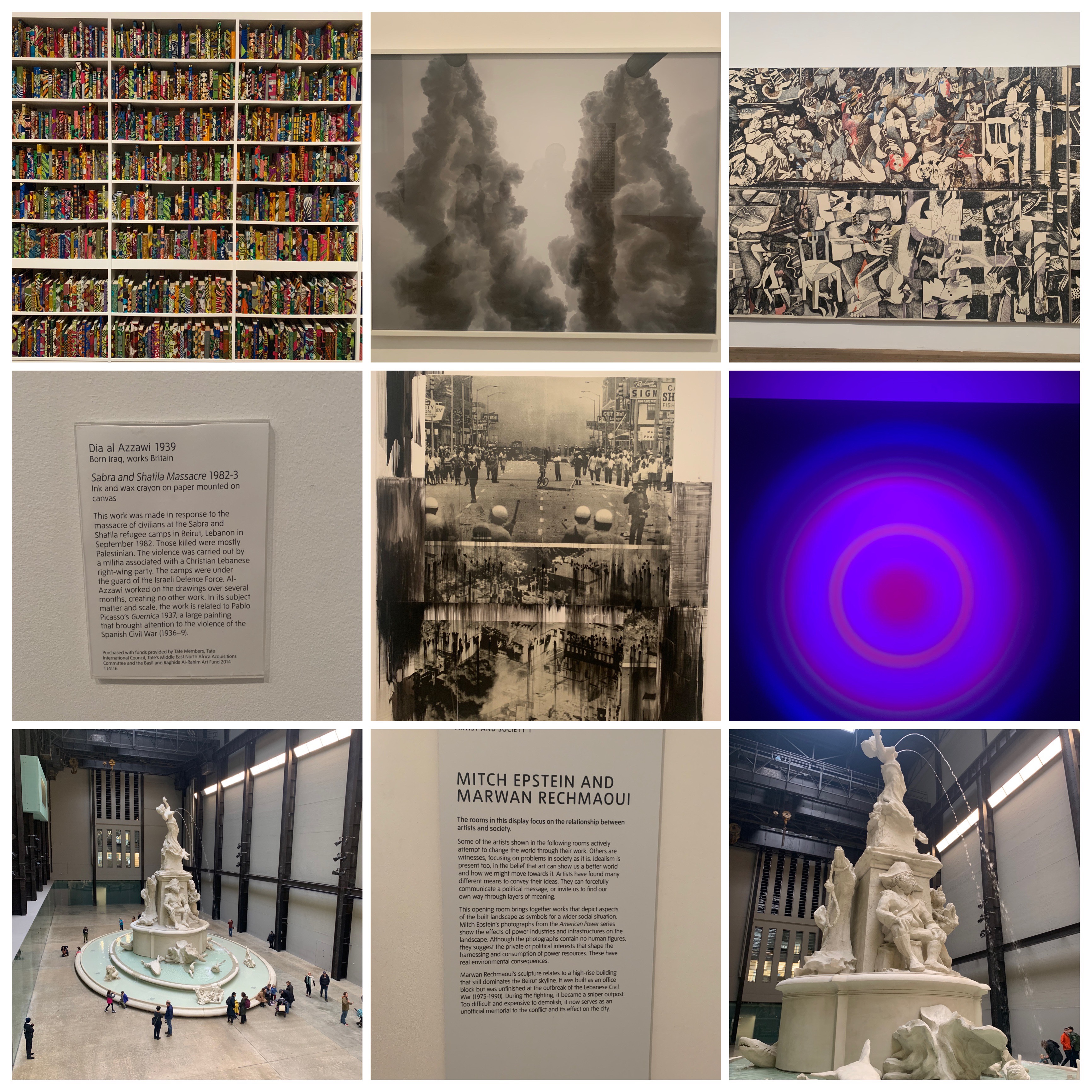
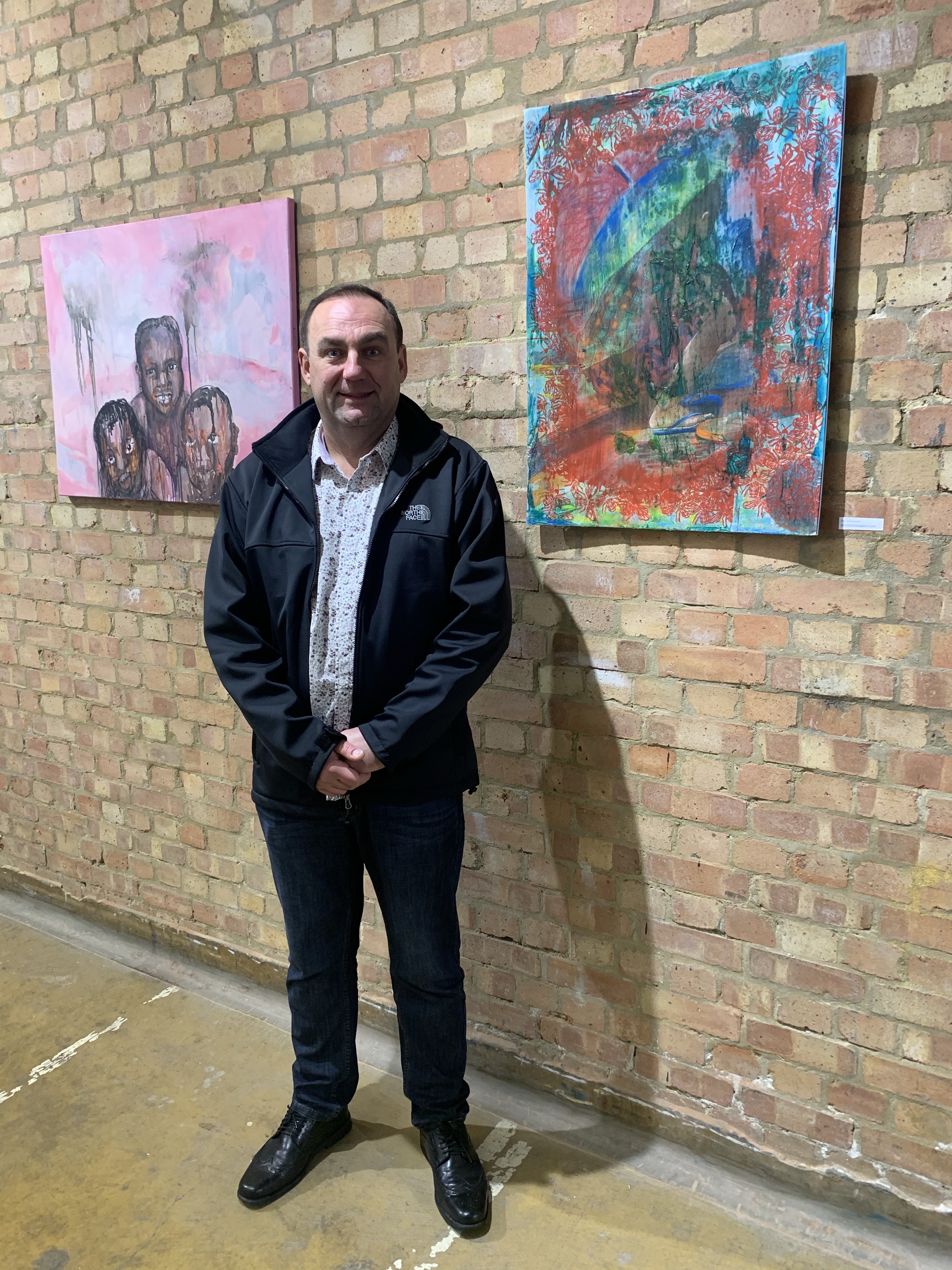
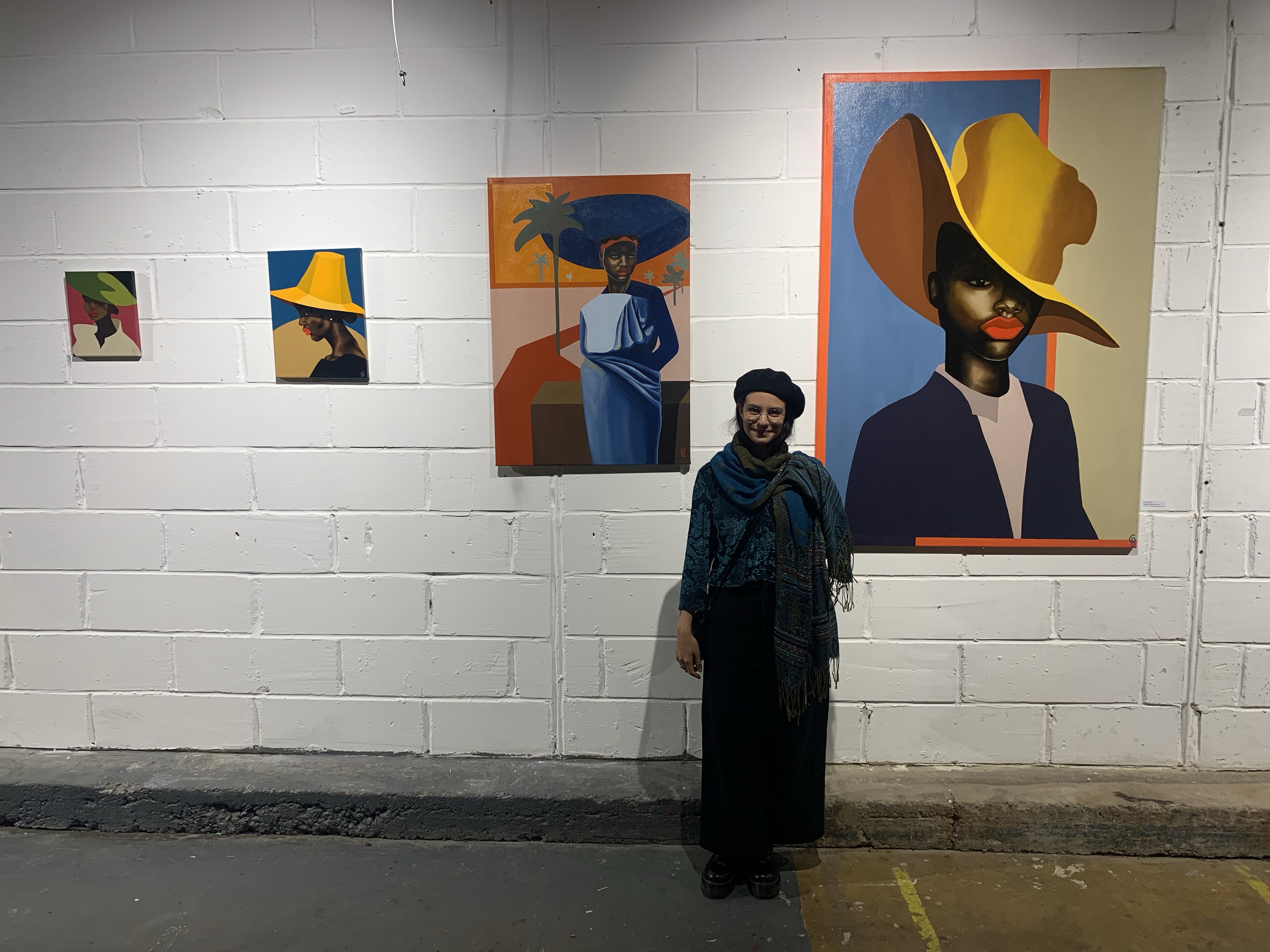
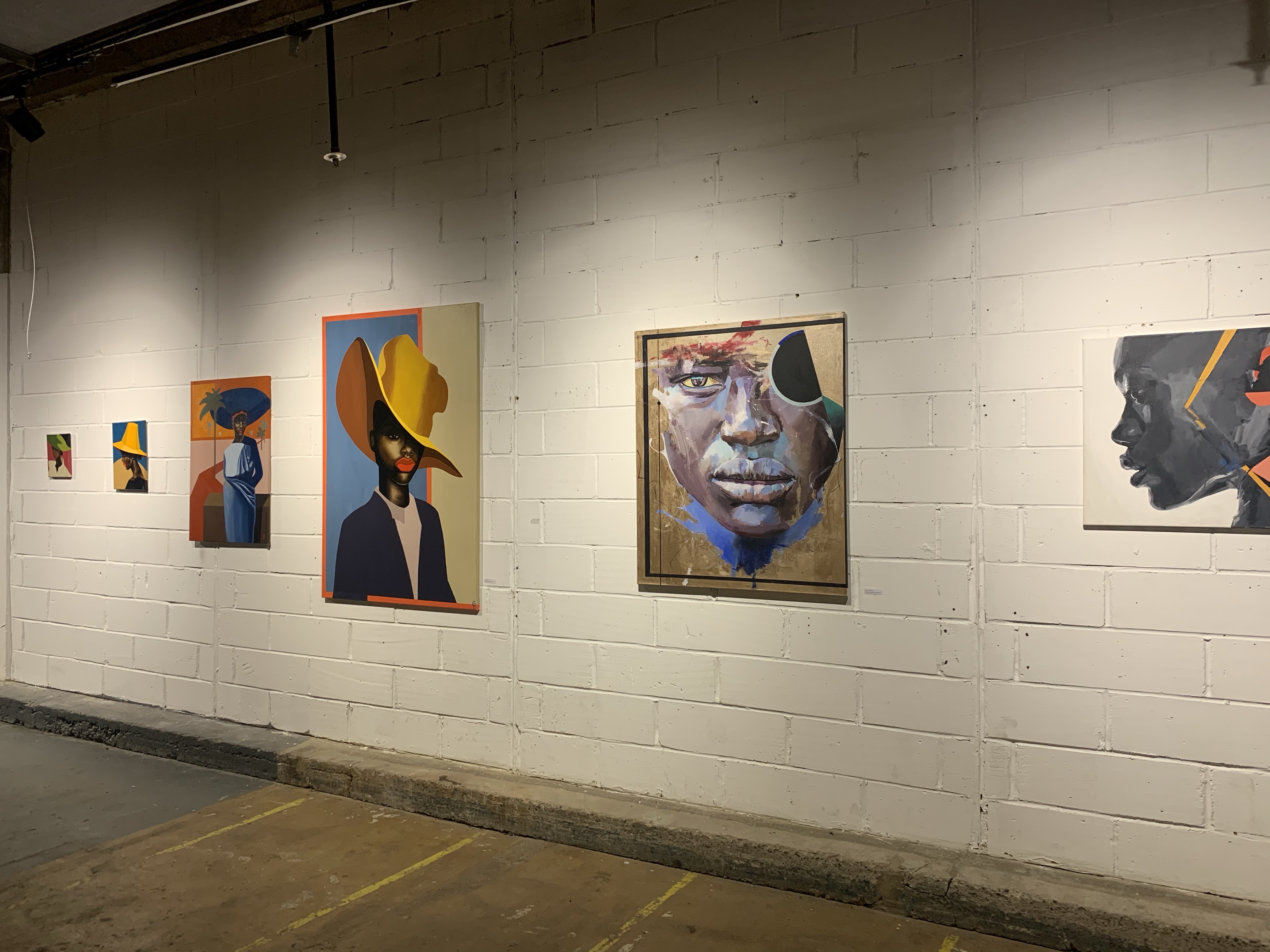
The private view was very well organised and attended. I have made several exciting contacts with artists from all over the world. Some work on display was truly magical and gave an individual insight into the colours and flavours of Africa and its people.
 HYPNOTIC REPETITION