
New Inspirations.

Leandro Erlich is an internationally renowned artist from Argentina. I have just discovered two of his pieces called Laundry, 2018. They are both a part of a series of works titled

Washing Machines – The Fate of Function, 2018

The first one is an installation, which portrays six simoultanously spinning washin machines.

The second consists of four, gradually twisting, machine fronts. This makes a visual suggestion that a spinning movement of the drum affects the entire form of the machine.
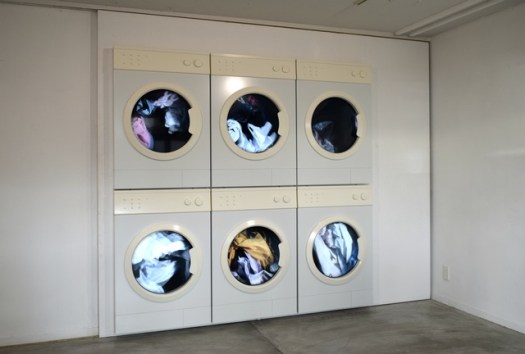
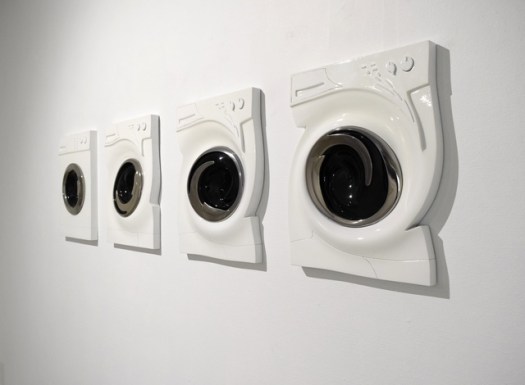
Leandro Erlich, Laundry, 2018.

The other inspiration comes from a large-scale installation by Yngve Holen at Stuart Shave/ Modern Art.
This gallery won the 2015 Frieze Stand Prize.

Christie Chu comments on her work:

(Her) striking sculpture deconstructs and recombines industrial and domestic materials. The model airplanes, washing machines, thermal imaging and honeycomb cardboard sheets present a jarring landscape that both entices and repels viewers.

(From 15 Artists To Watch at Frieze London 2015, Christie Chu in https://news.artnet.com/market/frieze-artists-london-2015-340163)

On reflection, this reassures me that my thoughts about recording the process of washing of my art and projecting the hypnotic repetition of spinning, has potential for further development.

Finally, I have found an interesting post on Tweeter. It introduces magic to the mundane process of laundering.

Perhaps washing my art in a commercial setting will achieve the same?
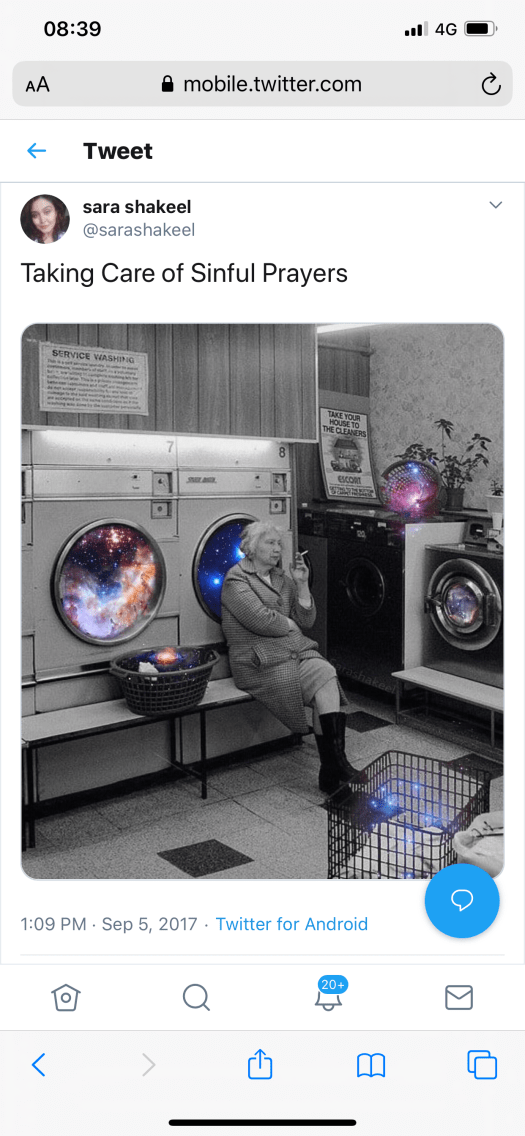
Laundrette.

I have used, in my experimentation, a domestic washing machine before. I employed this kind of intervention during my work on the Dialogue with Pearl Twink series.

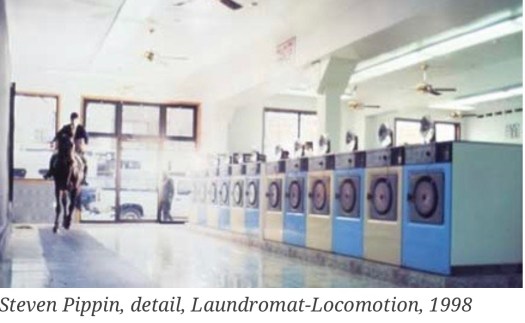
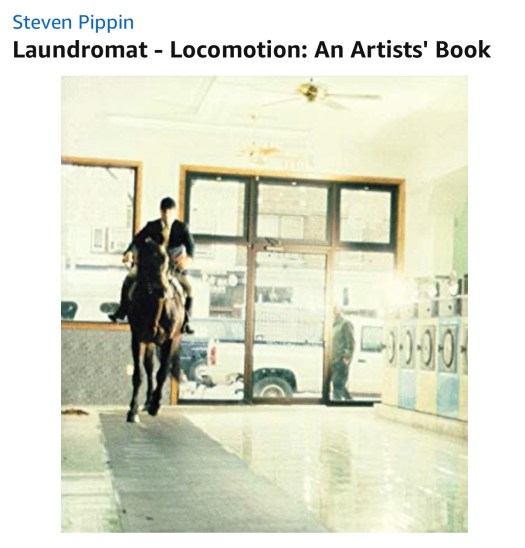
My ideas were independently developed and had no resemblance to Steve Pippin’s projects. However, I have seen his fascinating work before and was particularly intrigued by his ‘death of the camera’ and locomotion pieces.

To understand his thinking better, I have just completed reading of his 1999 book. This has led to a range of reflections and, subsequently, interesting conclusions.

I would also like to experiment with video recording in a comercial laundrette setting. My creative intention is, however, to create a moving image of the washing cycle of my paintings using a number of large scale washing machines set in a line.

There is something special about watching a machine continuously spinning – just a perfect example of hypnotic repetition. This, coupled with a great uncertainty of what will be left from the paintings after this process is completed.

Washing and it’s metaphorical meaning is ideal in terms of making progress with my thinking and the development of new ideas.

In order to make it happen, I will need to prepare a range of new images on un-stretched materials in readiness for the performance.

Theatre of Washing – a busy Saturday morning would be an ideal time for this type of video recording. More progress planning and reflection will need to take place, before I am in a position to make my new idea to materialise.

I am hoping to record several simultaneously spinning washing machines, the loading and unloading process, the long cycle of hypnotic repetition… accidental participation of additional character (people using the facility at the same time) should increase the authenticity of this undertaking and extend on the narrative.

Ultimately, the value of my of my previous and time consuming painting will be reduced to dirty underwear. Sounds great!

https://we-make-money-not-art.com/point_blank/


Pippin, S. (1999) Laundromat – Locomotion: An Artists’ Book; London: Verlag der Kunst

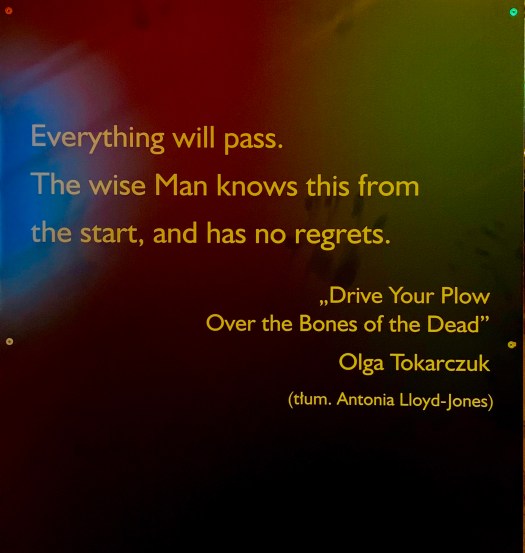
Everything Will Pass

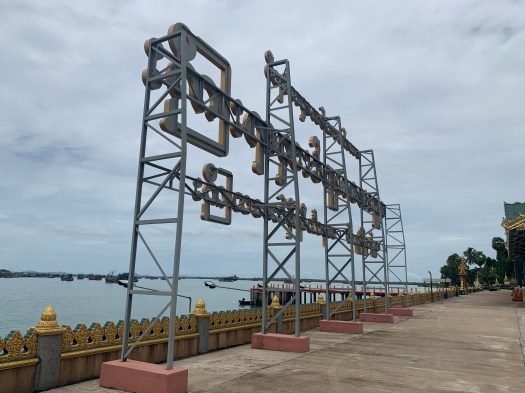
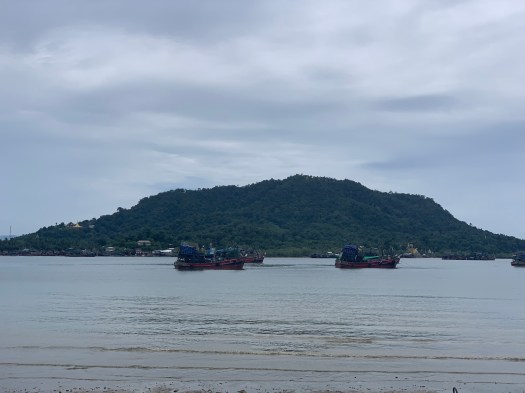
Even the longest journey will come to an end. Nothing lasts forever. It is so difficult to embrace this concept, while engaging in critically analysing life and attempting to understand its wonders. Every trip starts and ends. What is important is the concept. What is left is the experience of travelling and many associated memories.

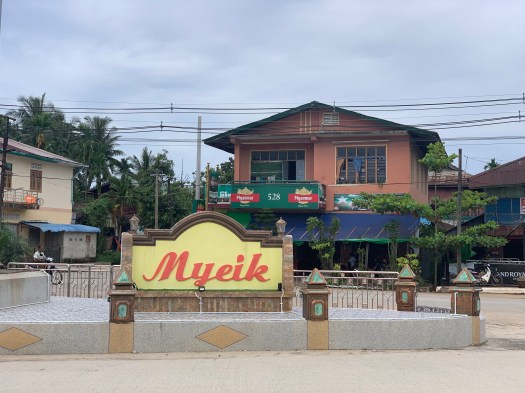
I am trying to reflect on life of the coach driver in Burma. The tiredness, waiting, uncertainty and anticipation . All of this in order to return back to the place of origin before restarting the adventure again. Is every trip the same? Has the routine and work experience overtaken the exploration of the unknown road ahead. Or… is it simply just entrapped in the vacuum of repetitive hypnosis of life. This is all, perhaps best summarised by the above phrase from a book by the most recent Nobel Prize winner – Olga Tokarczuk.
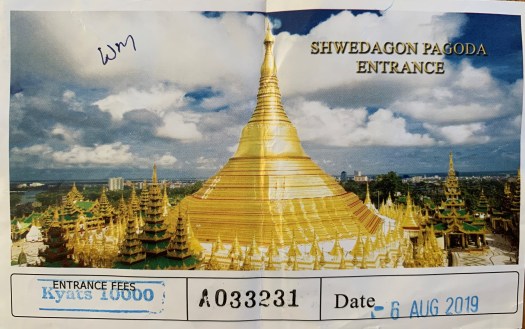
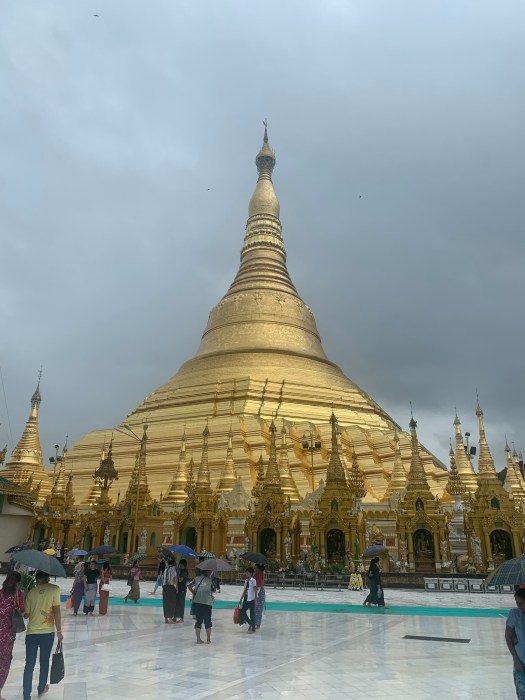
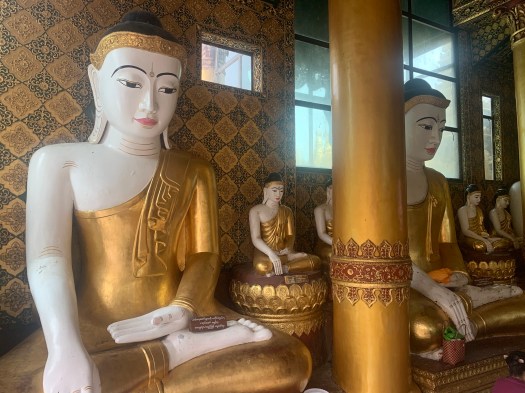
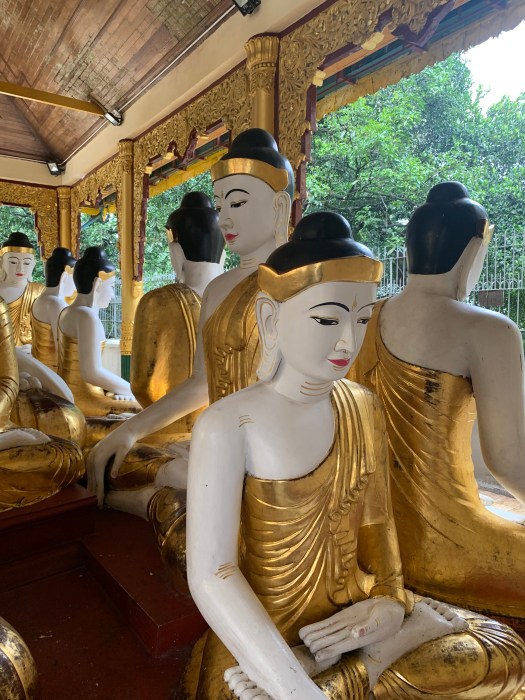
Shwedagon Pagoda, Myanmar.

img_4980

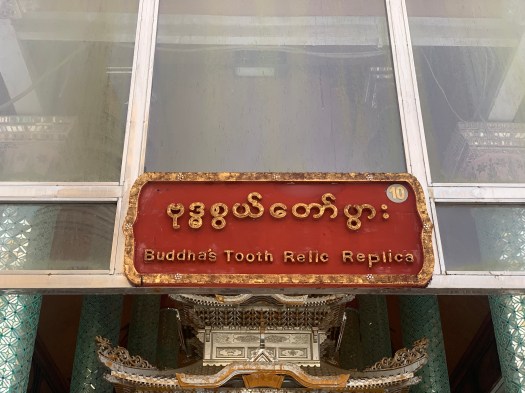
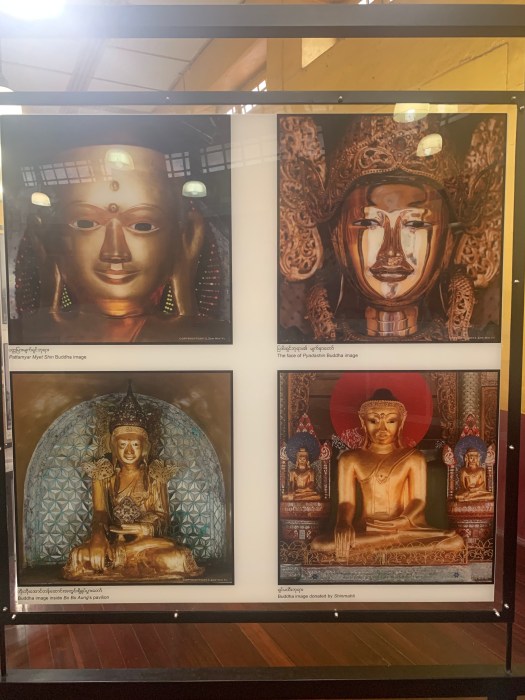
Despite the pouring rain (rainy season) the visit to the Shwedagon Pagoda was a truly remarkable experience. I was stunned while exploring various parts of this enormous religious complex. It appeared to be a massive golden city dedicated to the beliefs of Buddha.

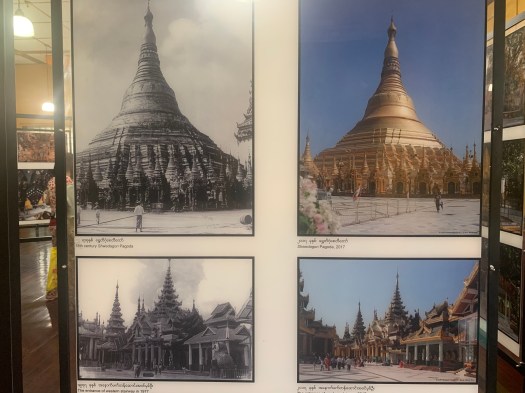
I spent most of the day photographing details of buildings, monuments and learning from the Shwedagon Museum. So little has changed over the years and the ambience of the place has remained exactly the same.

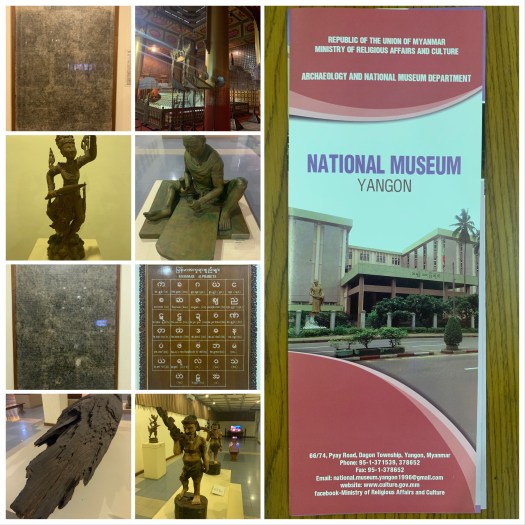
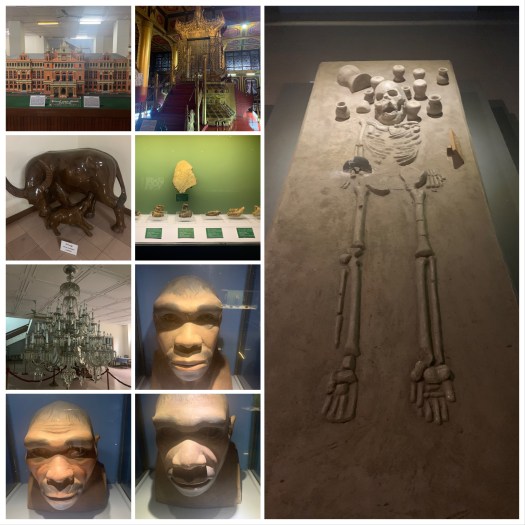
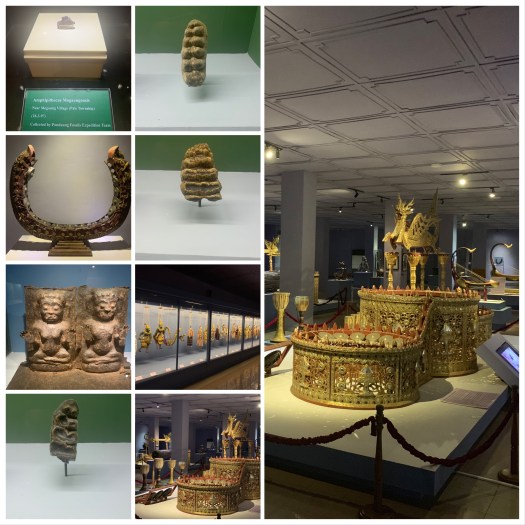
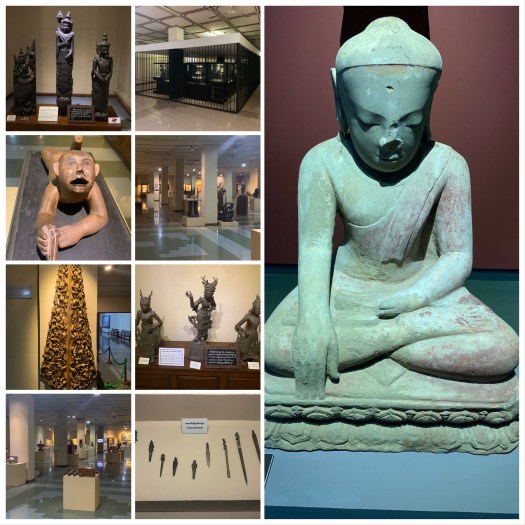
National Museum in Yangon, Myanmar.

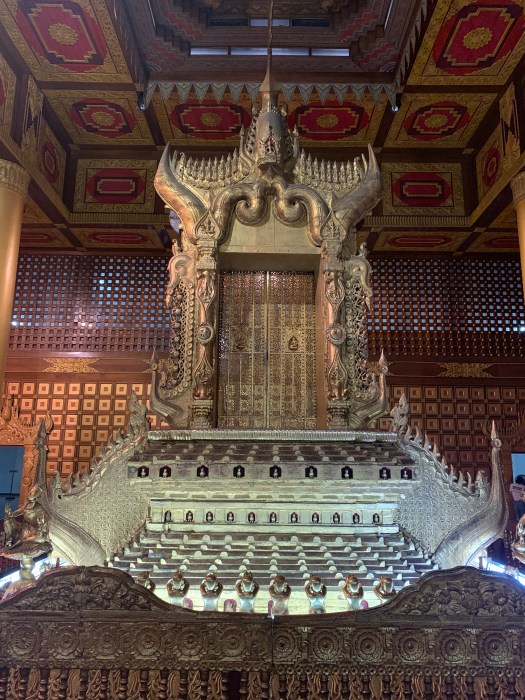
Lion Throne Showroom.

The main exhibit of the National Museum is the Lion Throne. It is over 150 years old, made from Yamanay wood and guided all over.

This artefact was used by the King to adjudicate on law cases. It was taken to Kolkata and finally returned to Myanmar after Independence in 1948. This is the only throne left intact as the other 8 were destroyed during World War II.

The other floors display Royal Regalia, Natural History, Prehistoric Period and Myanmar Arts and Crafts.

The overall impression was totally overwhelming. I was particularly impressed by a collection of bones, which were 50 million years old and a broad collection of sculptures and carvings.

Heydar Aliyev Center

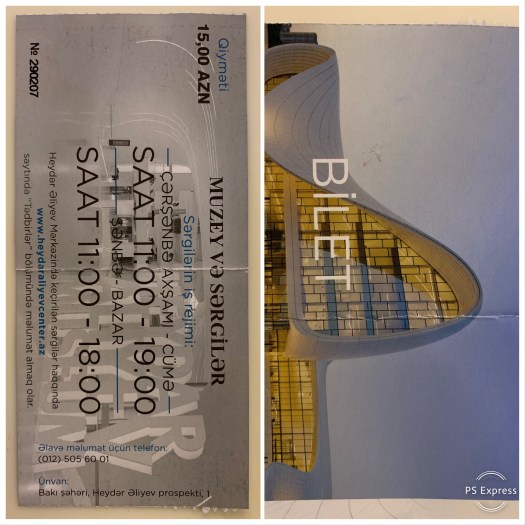
The form of the building of this artistic centre is based on the signature of the president of the country. The architectural design looks totally different from every possible angle and the overall effect is highly futuristic and very overwhelming.

The most distinct features are the fluidity of form and ambience of the space created.

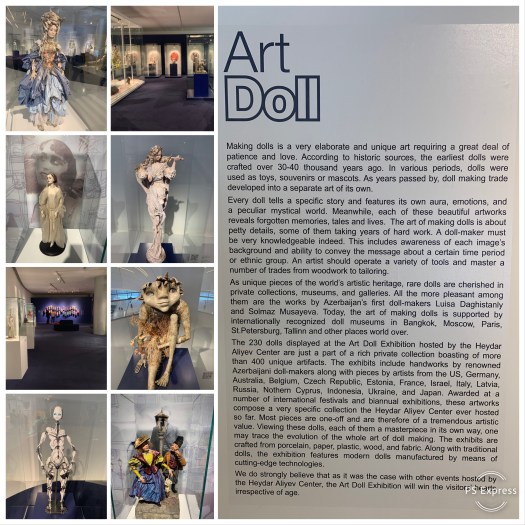
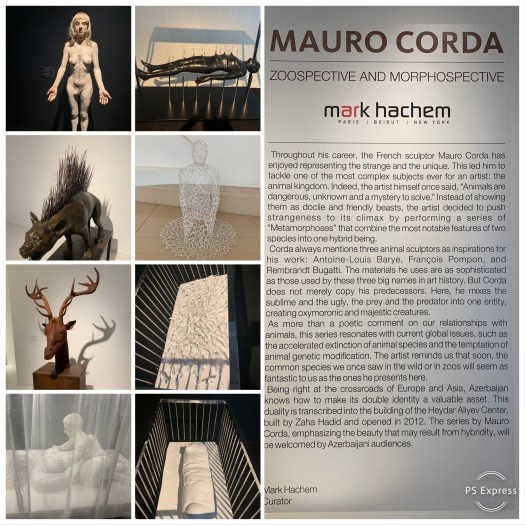
The content of permanent exhibitions is dedicated to glorification of the achievements of the dictatorship as well as evidencing the historical and cultural heritage of the nation.  This is also supported by a number of displays by internationally renounced artists, including to my surprise, Tony Cragg and Anish Kapoor.  I would have never dreamt to think that both artists would have knowingly agreed to exhibit their work at the ‘cathedral’ of totalitarianism.

The key exhibitions also include a collection of cars owned by President Aliyev, a timeline of his family in power and a display of a range of memorabilia of personal and national significance.

I must admit that I felt quite guilty to enter this building and support the ambiguous ethos, purpose and function of this questionable monument. However, my curiosity was stronger and, on reflection, the exhibitions were very well curated and presented.

Overall, the main element of my learning could be summarised by the following thoughts:

The central principle of abstract art and non-figurative representations is the refusal to imitate visible reality in the process of creation. Instead of copying nature and recreating the surrounding world, the toolset of artistic creativity, such as composition, colour, texture, line and form themselves become the object of art, main interest and the subject matter.  Furthermore, the idea of the form replaces the subject.

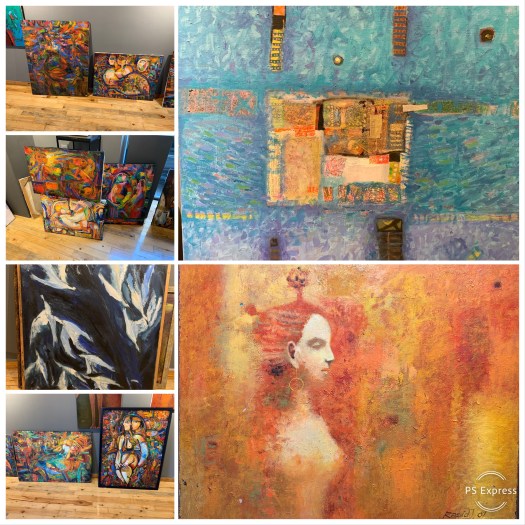
All of work, which I have produced so far, consists of a bizarre conglomerate of abstract elements and those, which are somehow recognisable.  I am definitively interested in ambiguity through the creation of non-representational compositions and supporting their meaning and visual communication with readable components and fragments.  This combination allows me to create both a new space and new understanding.

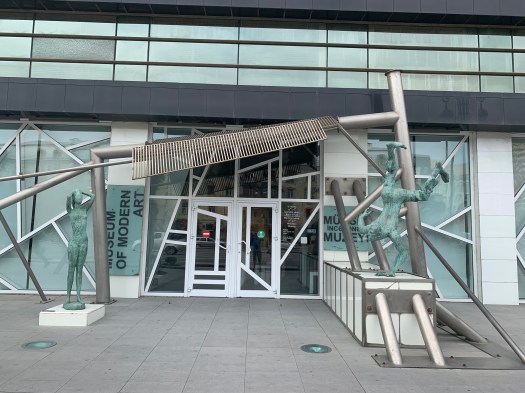
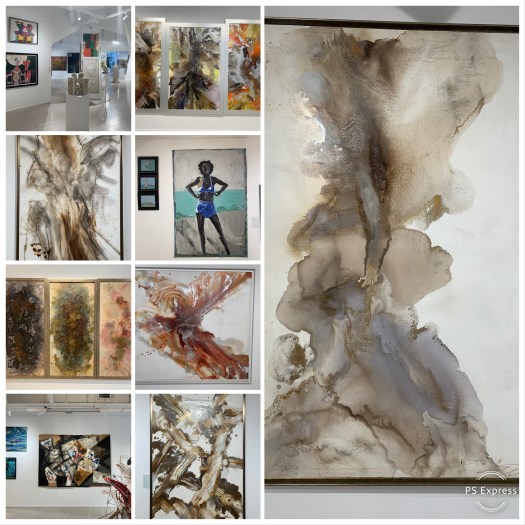
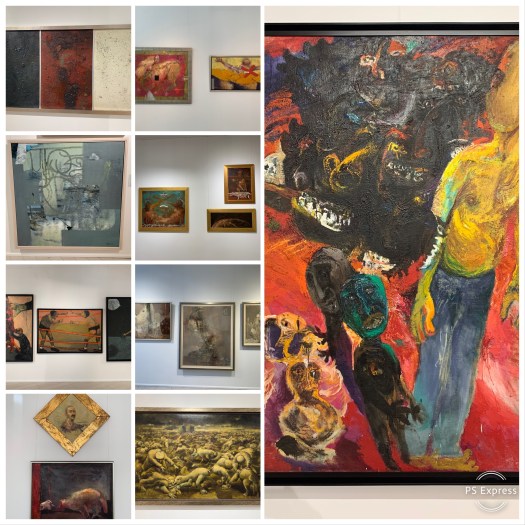
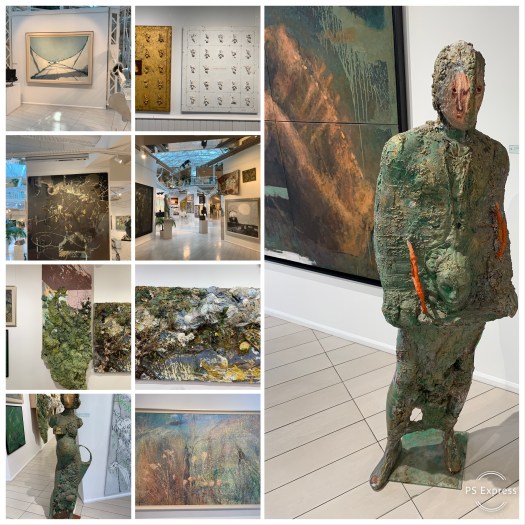
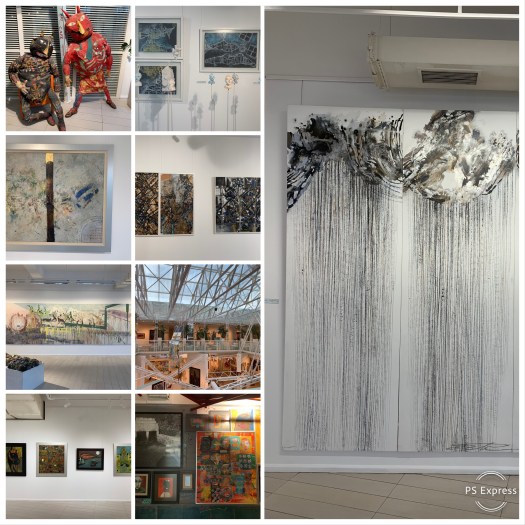
MOMA Baku

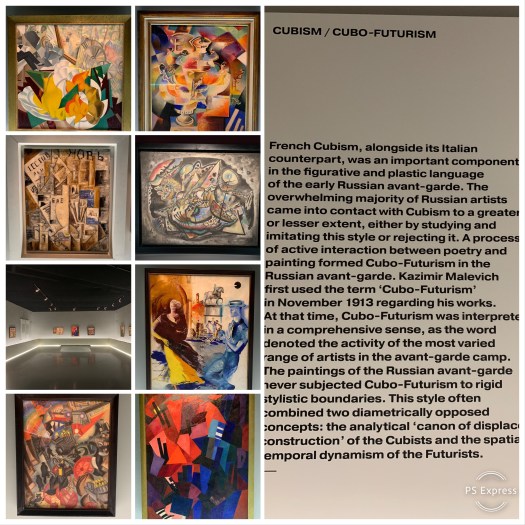
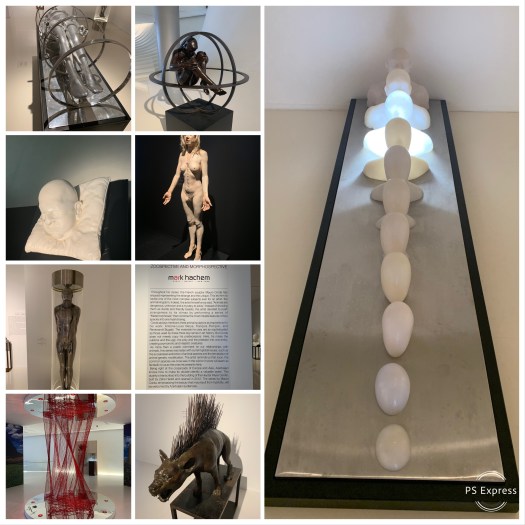
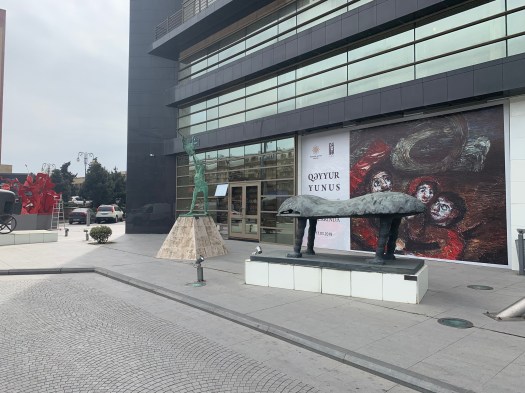
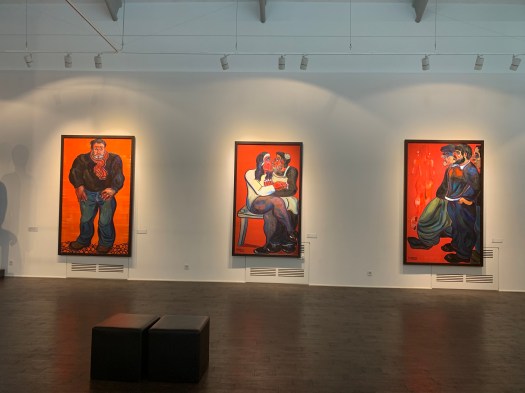
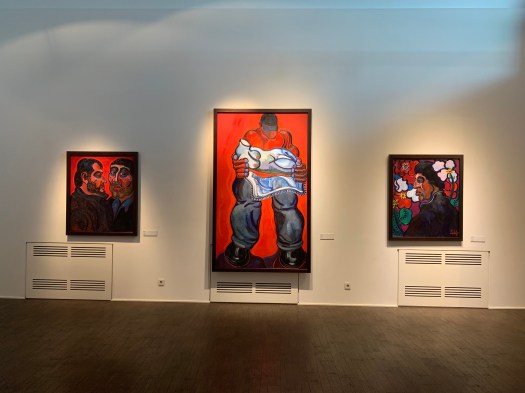
This extensive gallery is absolutely inspirational! Both, the architecture and curation of the work provide an exciting inside into a range of developments in the contemporary art of the Balkan region. It draws from numerous influences of the Persian Empire, long standing cultural and religious traditions and, finally, Russian occupation. The impact of war in Nagorno Karabakh and a conflict with Armenia is also clear.

Due to the international profile of exhibits, I have also started to recognise some of the artists, whose work was on display in Tbilisi.

The work is very expressive with a strong narrative element. My head is buzzing with new ideas.

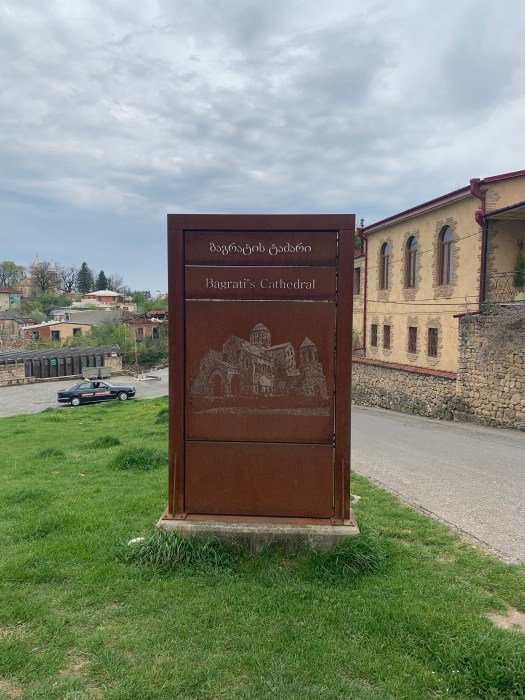
Bagrati Cathedral

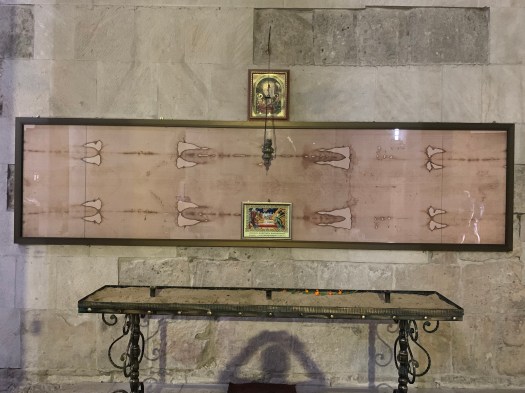
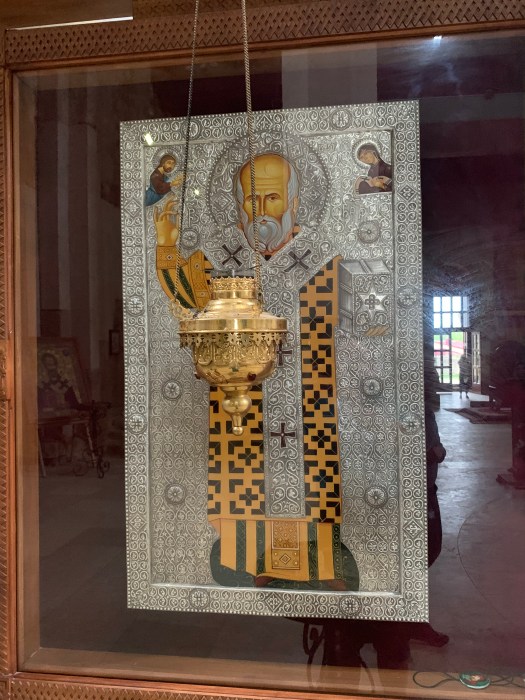
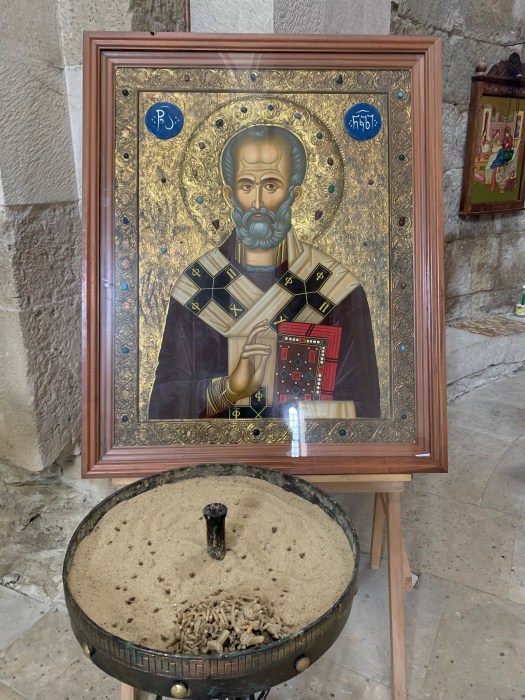
This is a record of viewing of a range of exciting icons and religious portraiture at the cathedral in Kutaisi.

Both, their compositions and colour schemes have given me some ideas for possible progress with my project. I will try to experiment with metallic paints and, perhaps, gold leaf.