

Dreaming About A Bottle of Milk
The idea for this type of experimentation came through attempting to portray and question the cost of a bottle of milk in Haiti.
4-pint bottle of milk = $16
Average daily family income = $1
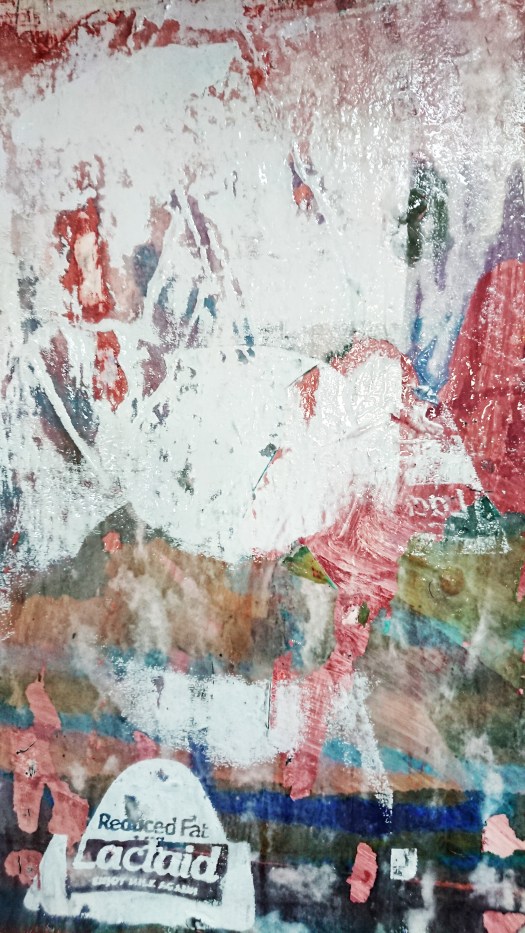
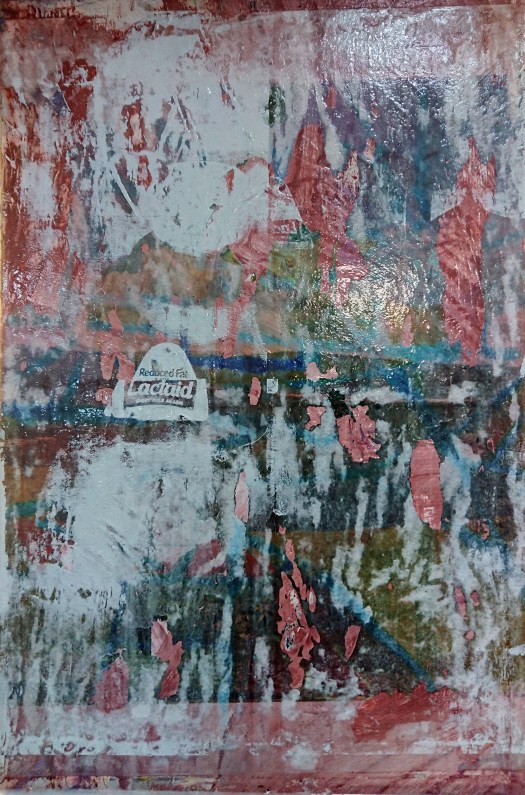
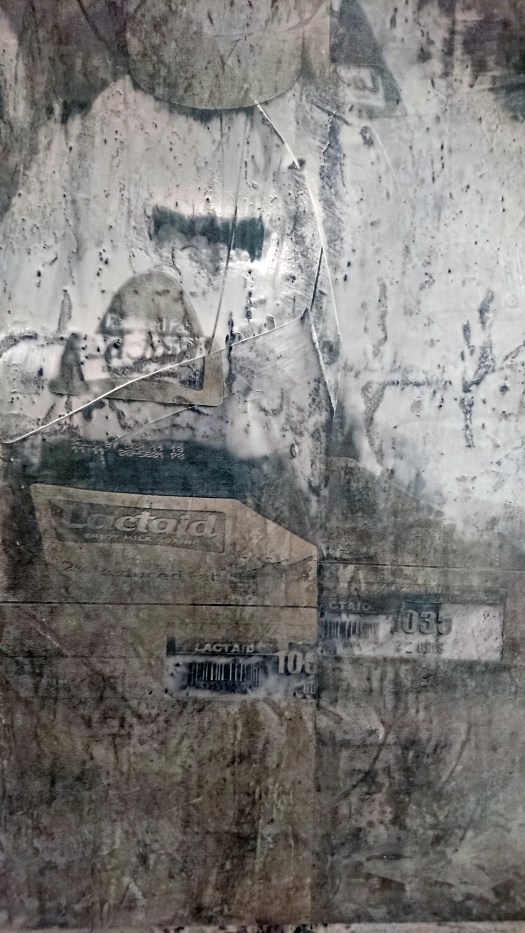
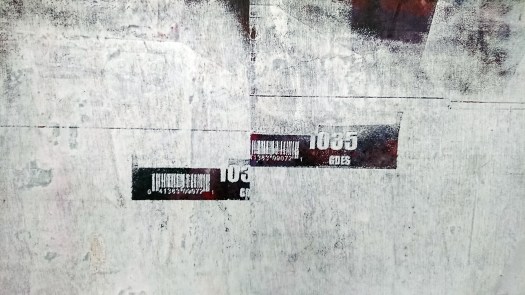
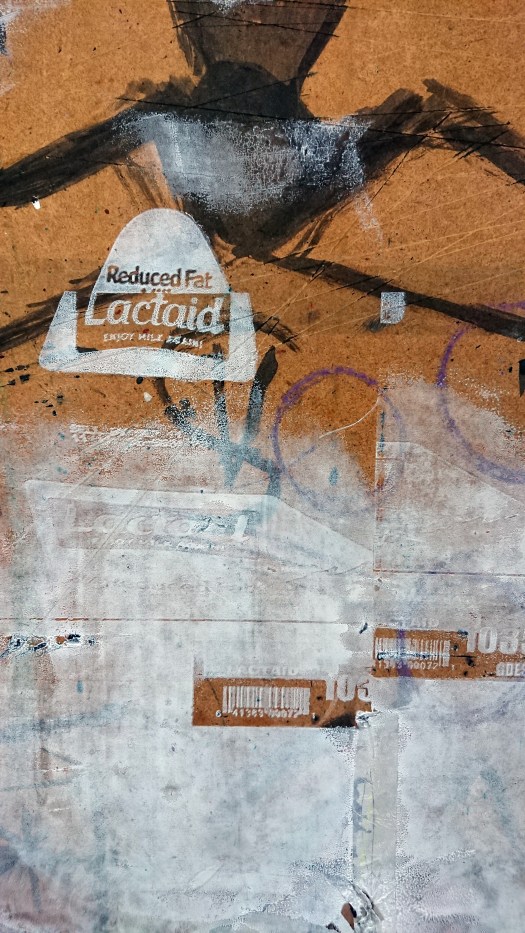
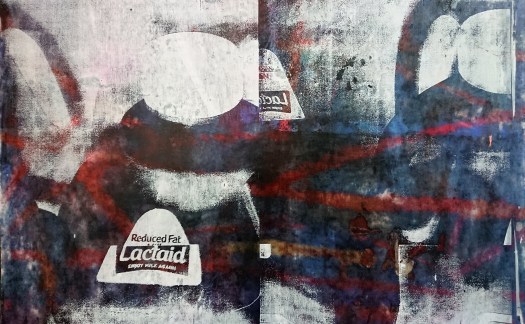
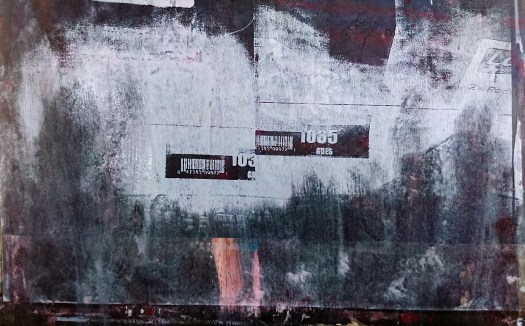
I have substantially enlarged images of a milk bottle from a supermarket in Petion Ville (expensive district just outside Port-au-Prince). These enlargements were later manipulated and collaged to create an A1 size silk screen.
When photographing images on the surface of the screen, I was trying to capture their ghostly and ephemeral feel. I experimented with back lighting in order to make them look very airy, distant and cloud like. My creative intention was to use these effects as a metaphor for the affordability of this basic product, which is totally out of reach for the typical family.
The dragging of the ink across the surface of the screen implies the brutality and harshness of existence. The colours are distant and have non-physical properties. They appear to be out there, far beyond being touchable and obtainable.
Furthermore, the process of screen printing is alternated with pressure hosing of newly developed images. They are simply washed and blasted away, just before they are given a chance to dry, become permanent and materialise.
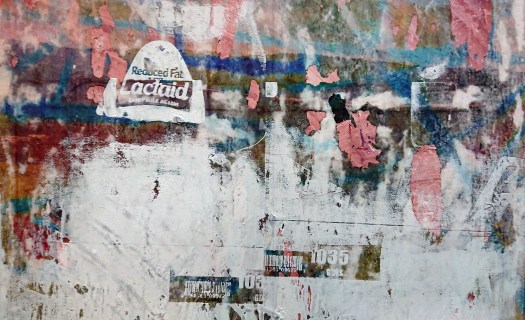
My intention was to replicate the process of repetition of slave- like labour – despite all efforts – there is no outcome, no change and no improvement. Purely, a visual and non-descriptive example of Sisyphus works. The work is abstract and the only recognisable element is the partially remaining milk label.
The white ink resembles the milk itself. The blue creates a sense of distance. The creases and textures visualise the hardship. There is also a bizarre similarity to water marks on bank notes. Finally, the use of bar-codes indicates accountability and commercialisation of our contemporary existence.
I would like to continue with this process of experimentation and sandwiching further layers of print and colour. I will also repeatedly wash them off the surface. I am curious about the extent and stretching of this process.


Recent Update To Seconds 7 & 7

Waiting For Something To Happen.
I have made further progress with proposals for the last two seconds: 7 & 8.
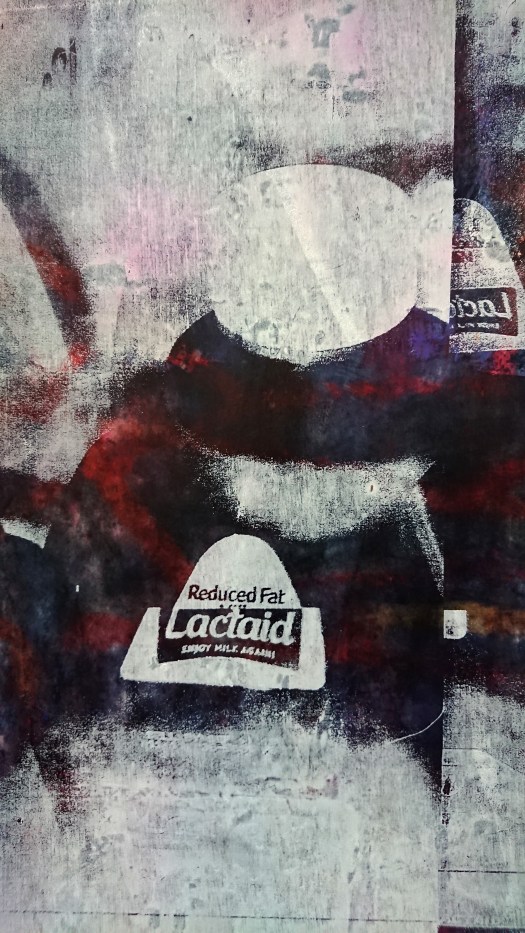
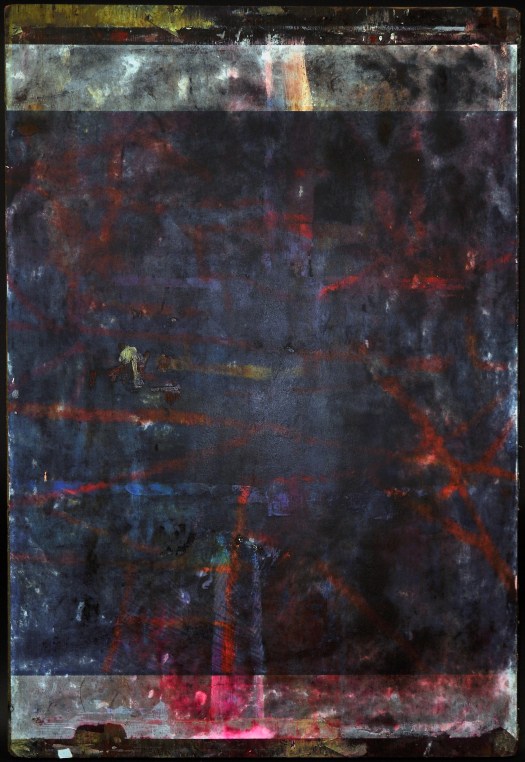
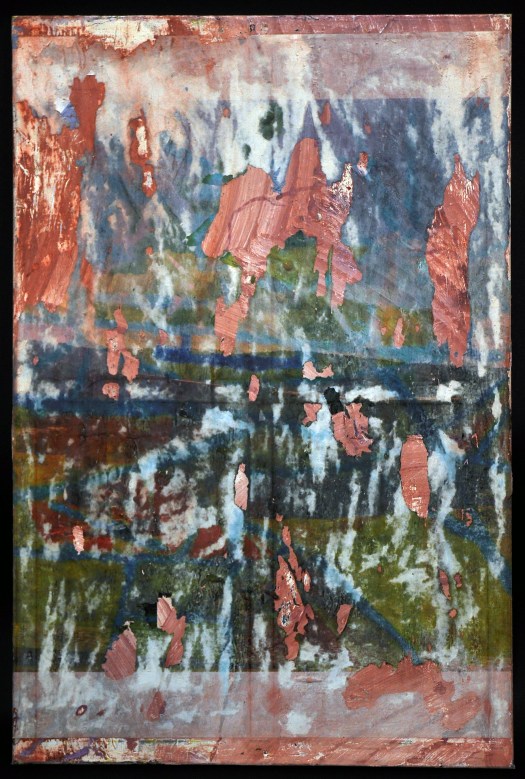
While layering image transfers and varnishing surfaces in-between with watered down PVA glue, I have developed the idea of continuously applying 60 layers of related imagery onto the surface while thoroughly documenting each stage. Some intervals are going to be, perhaps, developed further through the use of video and blending.
I have also recently received a bizarre and laconic sound message. The idea is to use this recording as audio track to support those experimentations.
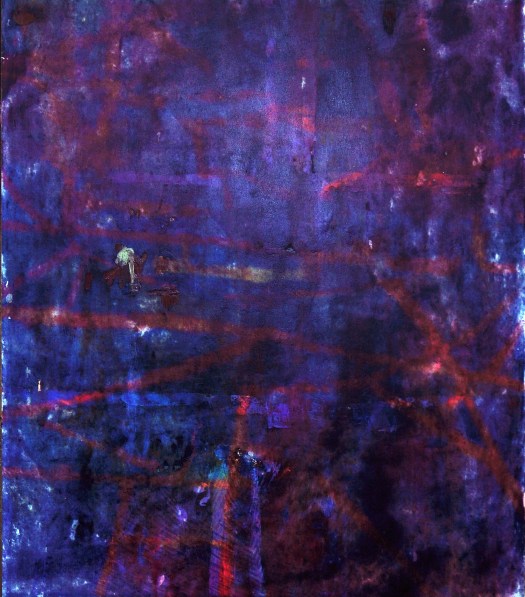
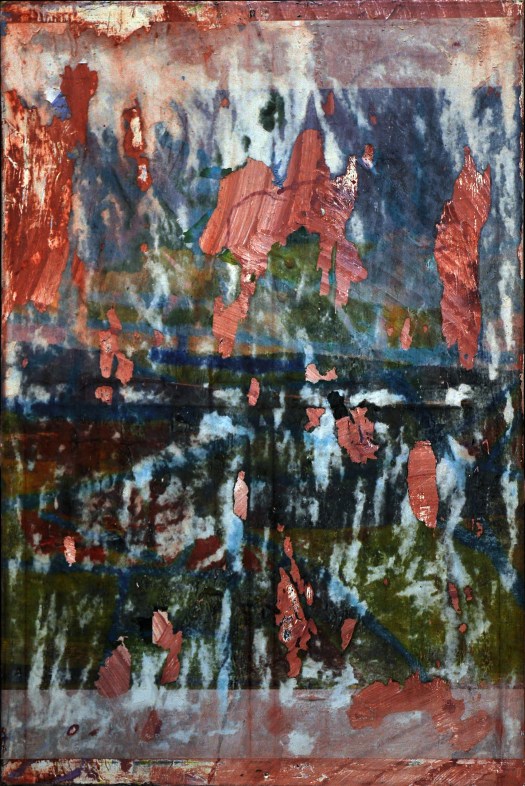
Photographing the work below was not easy. I had to experiment with several lighting techniques, while documenting the work in progress in the photographic studio.
There are some contact sheets below, which visualise the entire process.
60 seconds equals 60 layers – only 1 minute of waiting. Waiting is used as a metaphor here. The person who is waiting and trapped in the sphere of dreams and hopes is very predictable and safe. Action and response are much more dangerous. They both require bravery and facing failure and disappointment. They require ideas and energy.
Waiting is the new state of being. Waiting for something to happen and change life for better. Waiting, which is passive and effortless, withdrawn; dreaming about change.
On the other hand, waiting can be associated with emotional destress and boredom. This, in turn, can lead to a life of crime and deviation. When one waits for too long, greed becomes the only option and the ultimate desire.

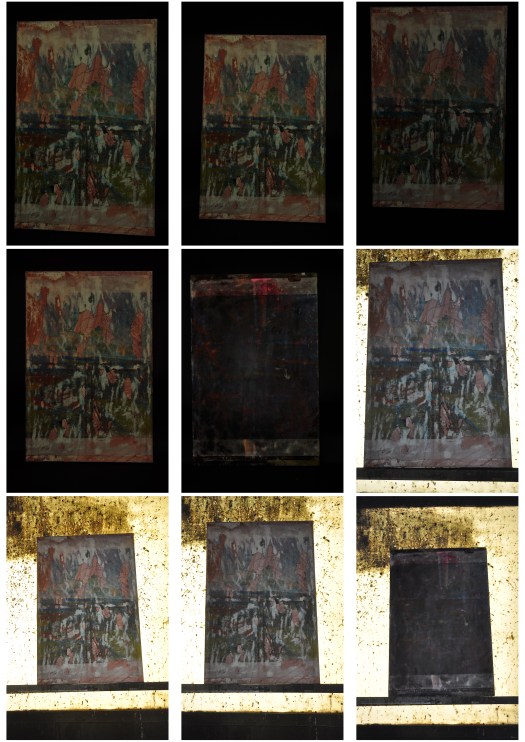
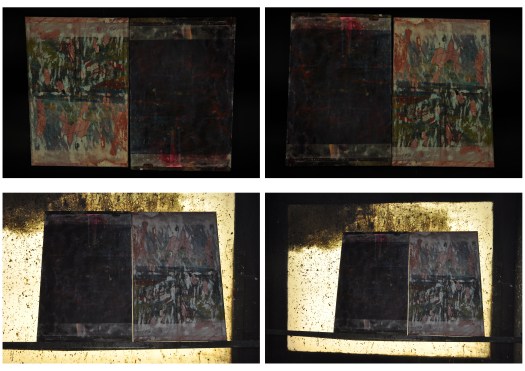
Seconds 7 & 8.
I have tried to document the process of developing a set of recent painting ideas for seconds 7 and 8. I have experimented with layering and using a large number of glazes, robbings and image transfers. The main focus is on the revealing and distracting the surface in order to achieve an incredible depth to the hue of colours, which sound with harmonious melody. I will continue to update this post as new developments take place in terms of making progress with the act of painting and discussing my concepts further, using video manipulations and editing.


Comparision of Abundant Spaces
When reviewing my research journey, I have noticed that the view from my lounge window has an astonishing resemblance to a slum outside Port-au-Prince.
It was raining quite badly and the entire valley was covered with a thick layer of condensation and trapped moisture in the air.
The image of Torquay is dark, gloomy, wet and almost monochromatic.
The photograph of Port-au-Prince is highlighted by the hot sun, which emphasises the colours of the environment.
Both were shot roughly at the same time of the day.
I find it very surprising that despite both destinations being densely populated, there is no sign of humans.


Waiting For A Bit of Colour
The initial consideration for the first six seconds:


Second Refinement.


Oil and encaustic on board, superimposed with photographs.
First Refinement.


Transfers onto mirror card.
Primary Sources.
Man asleep in a chair on the beach. Burned bus.


Both photographs were taken outside Les Cayes in the South West of Haiti.
More No Than Yes
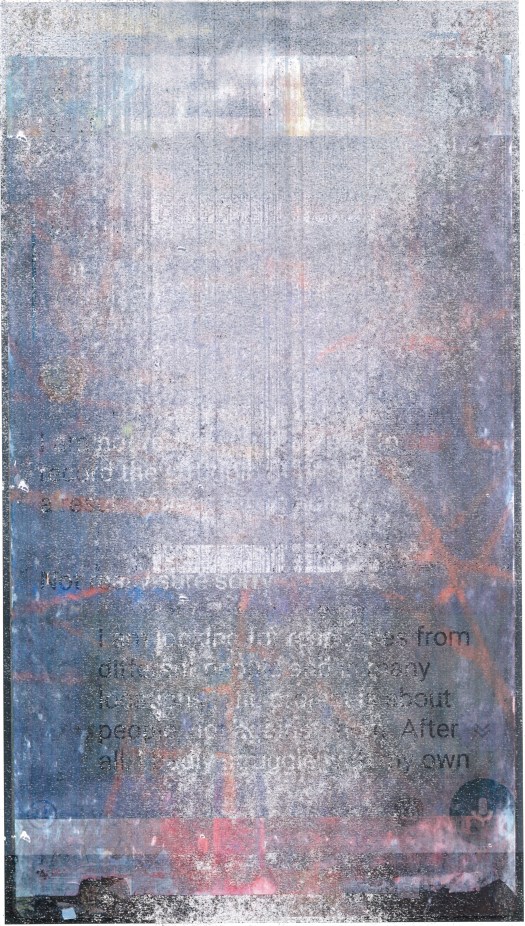
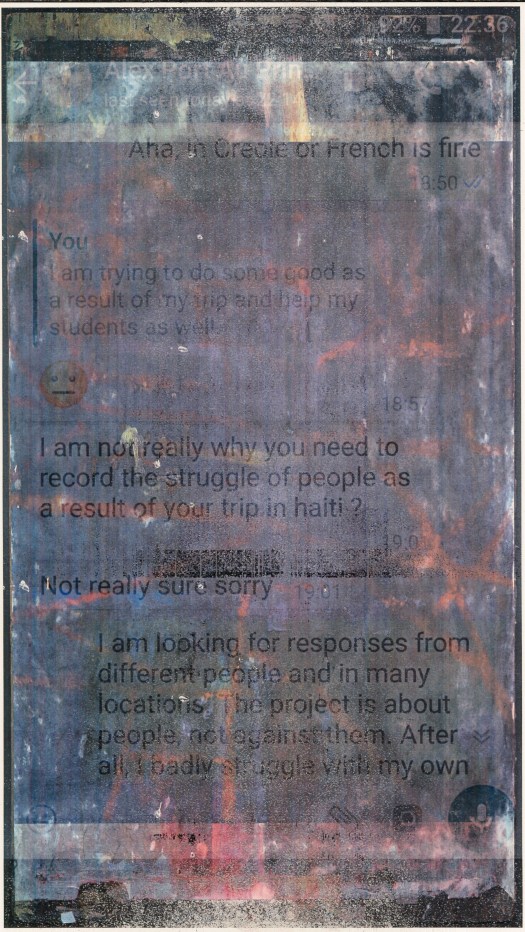
I am trying to embrace the true meaning of messages in the voice recordings below, while looking at still images; staring at them, staring, staring…
Why Are You Coming Back So Soon
I Am Thinking About It
I Know It Is A Very Good Project
More No Than Yes
Just The Usual Stuff
It Is A Cultural Thing
I Am Really Confused
60 Seconds of Waiting For Something To Happen.
Following a considerable amount of research and critical analysis of my own experimentation, I have slowly started to develop a deeper understanding of my creative intentions. My focus is firmly placed on uncertainties of tomorrow in the context of waiting for change. Time is a very important factor in the proposed intervention. My thinking has been extended by Samuel Beckett’s ‘Waiting for Godot’, supported by considerations of several scientific and philosophical theories of being and perception of time space. I am interested in visualising a period of 60 seconds of waiting for something to happen and change.
60 Seconds are insignificant yet, simultaneously they are also a metaphorical milestone in the context of measuring time: 60 seconds becomes one minute, 60 minutes create one hour.
The plan is to create a series of 60 painting explorations inspired by research from my travels and observations of what people are waiting for, their cravings, dreams and desires. I plan to superimpose my painterly interpretations with photographic and, perhaps video pieces, before transferring them onto mirror card. This process creates a very important element to my project. It evokes the feeling of ambiguity and unreality. The reflective surface forces the viewer to see his own reflection in the context of the broader work. It provokes a deeper reflection on the nature of uncertainties, their meaning, importance and hierarchy. It proposes the question of what is important and what is insignificant? It also reinforces what cannot be ignored as you see your own reflection in the problem.
Reflective surface has been widely investigated by a British artist Anish Kapoor through his ‘Blood Mirror’ series.

Stainless steel and lacquer
198.5×198.5×46 cm
My obsession with measuring time space comes from the earlier discussed artist Roman Opałka and his ‘Counted Paintings’.

Carte de Voyage Detail (2875545 – 2878714),
1965, Medium:Works on paper, Ink on paper
Size:33 x 24 cm. (13 x 9.4 in.)
I am also looking at Marc Quinn and his piece titled
No Visible Means of Escape IV, 1996

Justine Khamara – Orbital Spin Trick #2, 2103

Self-shredding image by Banksy, “Love Is in the Bin,” , 2018

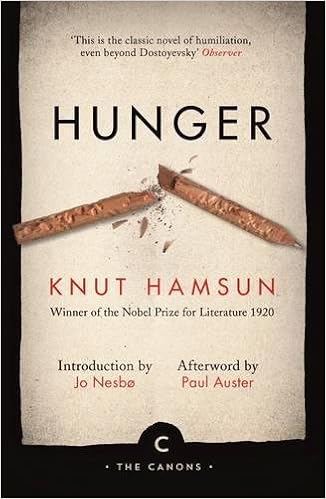
Finally, I have recently read a novel titled “Hunger” by a Norvegian writer called Knut Hamsun. Throughout the book, there is an overwehelming sense of total isolation accompanied by craving for food and stomach pains. THe experience is vivid and almost real.
The project aims to interpret 60 Seconds of waiting in anticipation of a change in the context of broad ranging uncertainties of the future.
Can the presence last forever
Will anything ever change?
Will this process have a positive impact on life?
Will my perception of existence continue to deteriorate, while making reality more and more miserable and unsustainable?
My work will be continuously updated and adjusted in the light of new discoveries and research findings until it becomes a comprehensive and holistic appraisal of human uncertainties of the future in the context of my observations and responses.
The initial experimentations are below :
First Second:
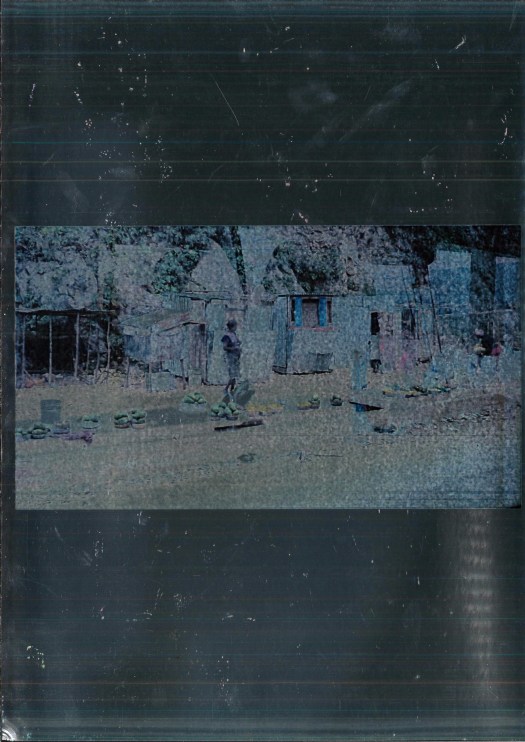
Second Second
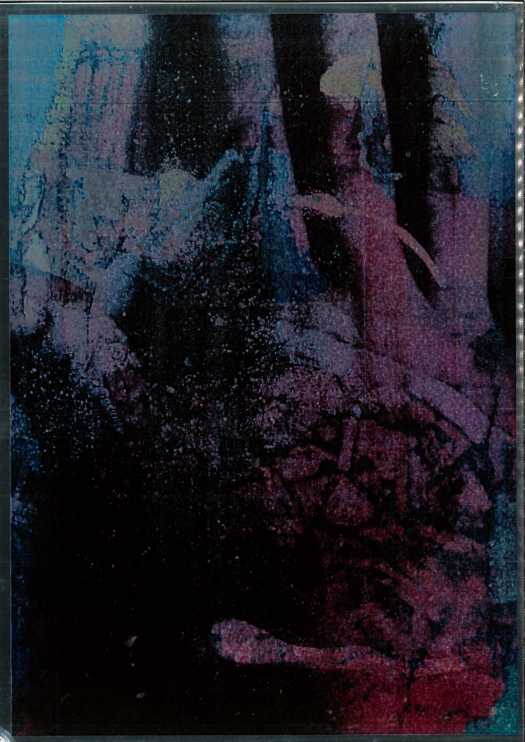
Third Second

Fourth Second
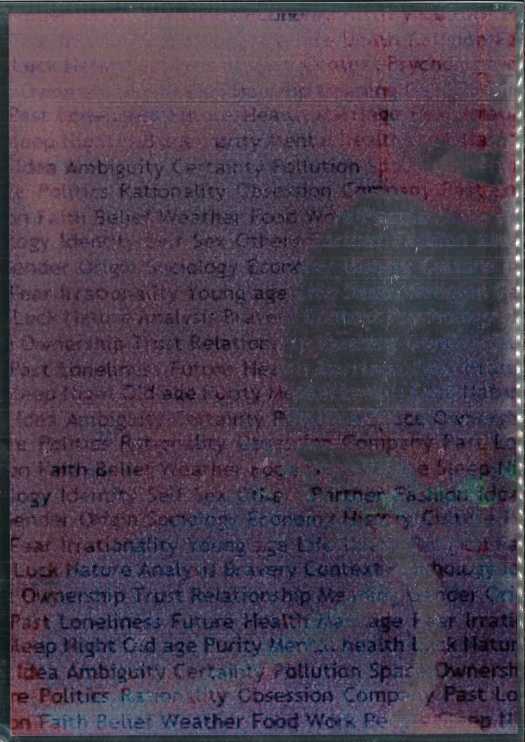
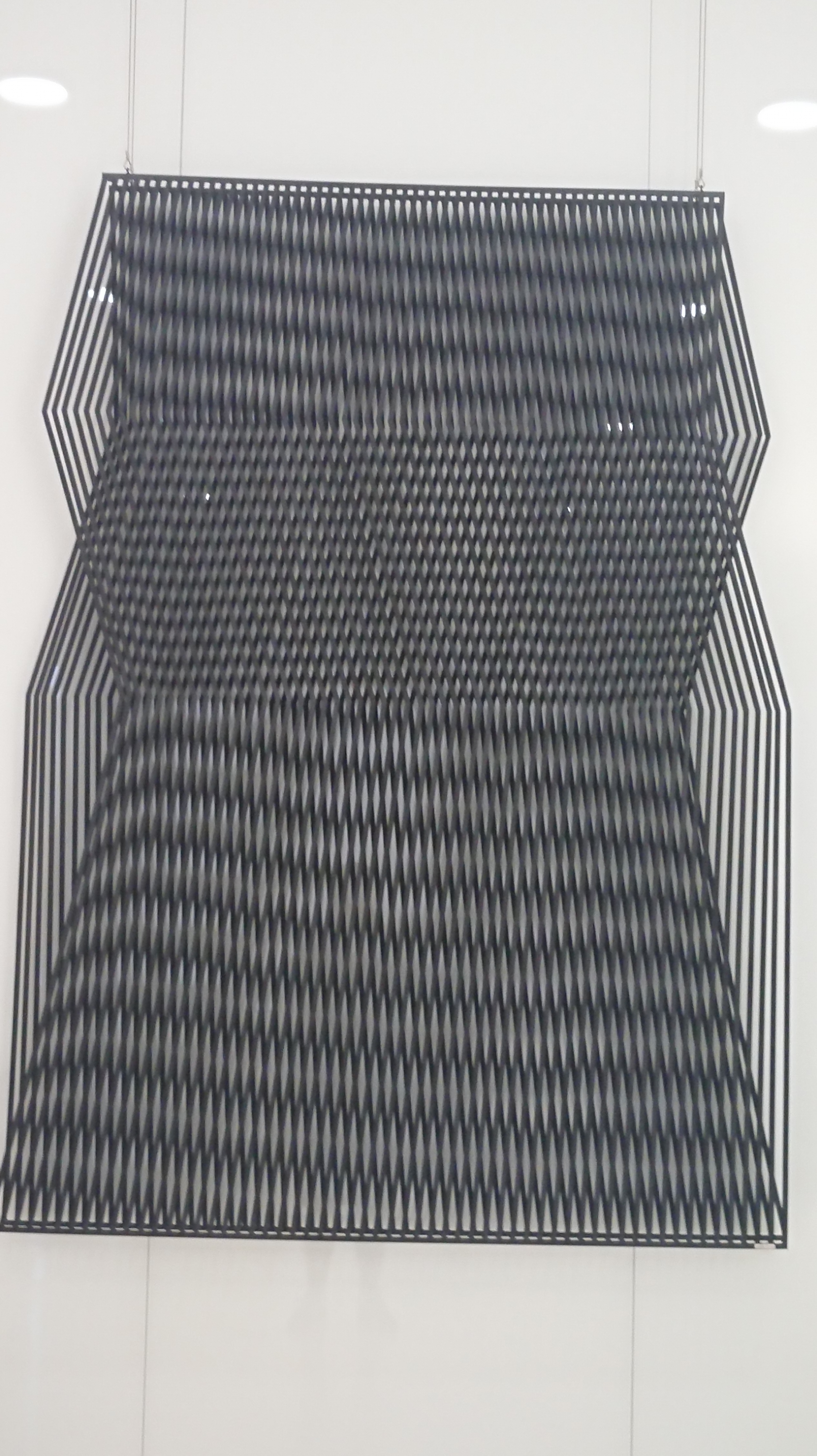
Visit to MACA in Alicante.
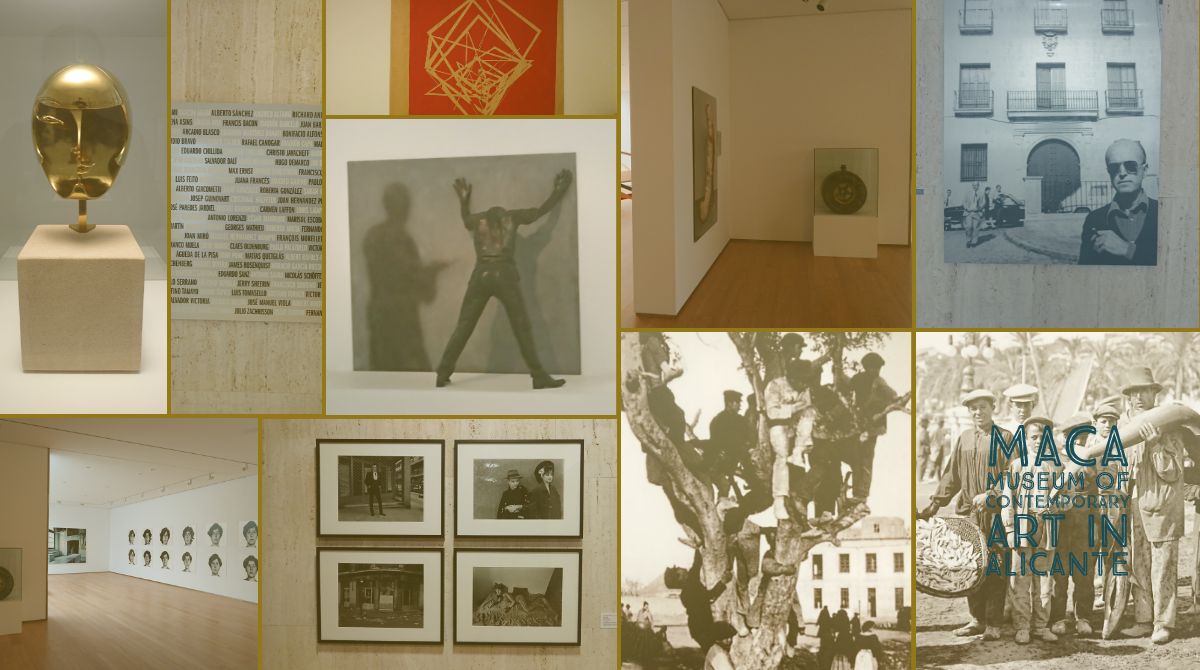
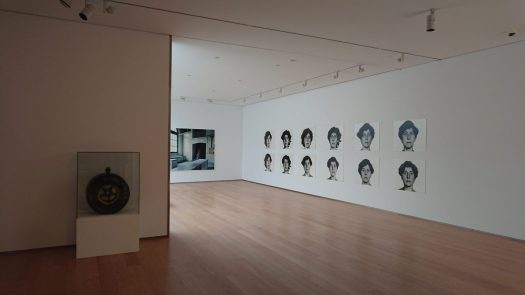
There was a range of work on display by the famous Eusebio Sempere. The other work included op art installations by local artists and paintings with references to the Spanish War.
I felt quite disappointed with the currency of work in the gallery, which is supposed to promote the contemporary arts in Spain. The building, however, was truly inspirational and provided me with some opportunities to explore ideas of optical illusions in architecture, especially corridors and staircases.
Unfortunately, I was not allowed to photograph them.
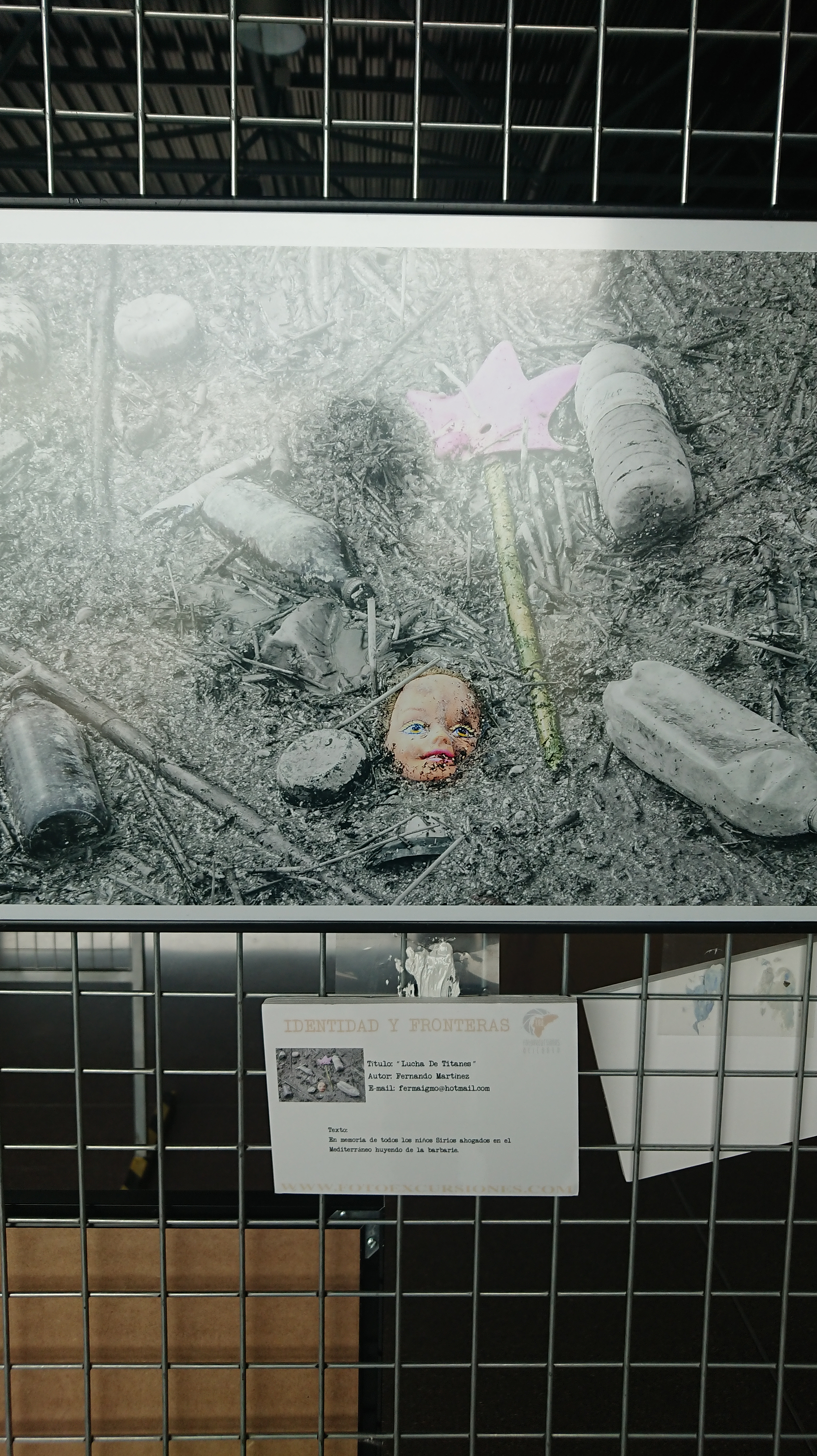
Exhibition at the Bus Station
‘Boarders and Immigration’
Surprisingly, the most inspiring exhibition of work was at the coach station. The was a range of dramatic photographs on display made from broken wire dancing material. This adds to the element of reality, while creating a more appropriate setting for the content of the photographs than a typical white and clean wall.
(Photo by telesur. com)
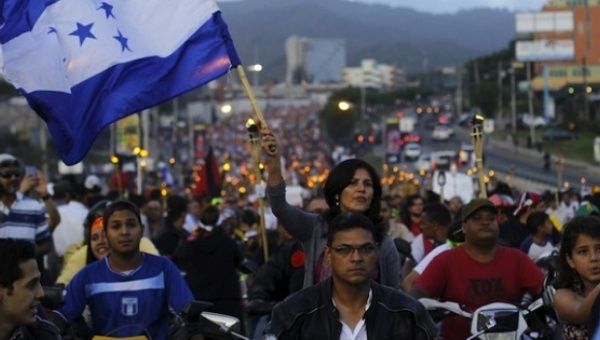
Uncertainties of the characters in these photographs are on a different scale to what I have ever experienced. The timing of this exhibition coincides with the March of 7000 mainly Honduran citizens through Guatemala and Mexico towards the American boarder. I have travelled vastly through all those countries and have many good friends there. Practically, every family is affected by the consequences of gang violence, “war tax”, drug smuggling and loneliness, which is caused by emigration. Perhaps, I need to include these important issues as a serious consideration in my research.
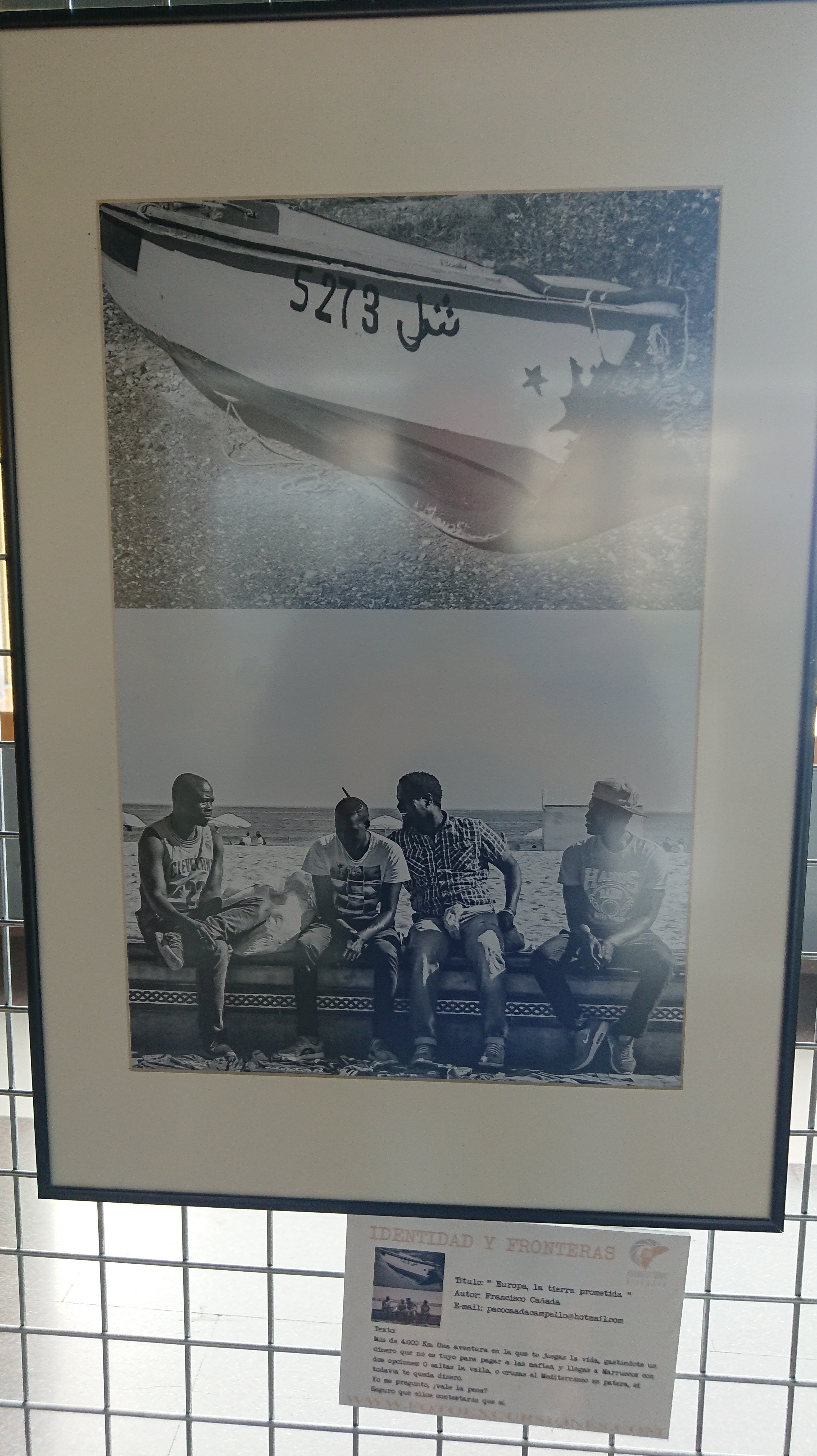

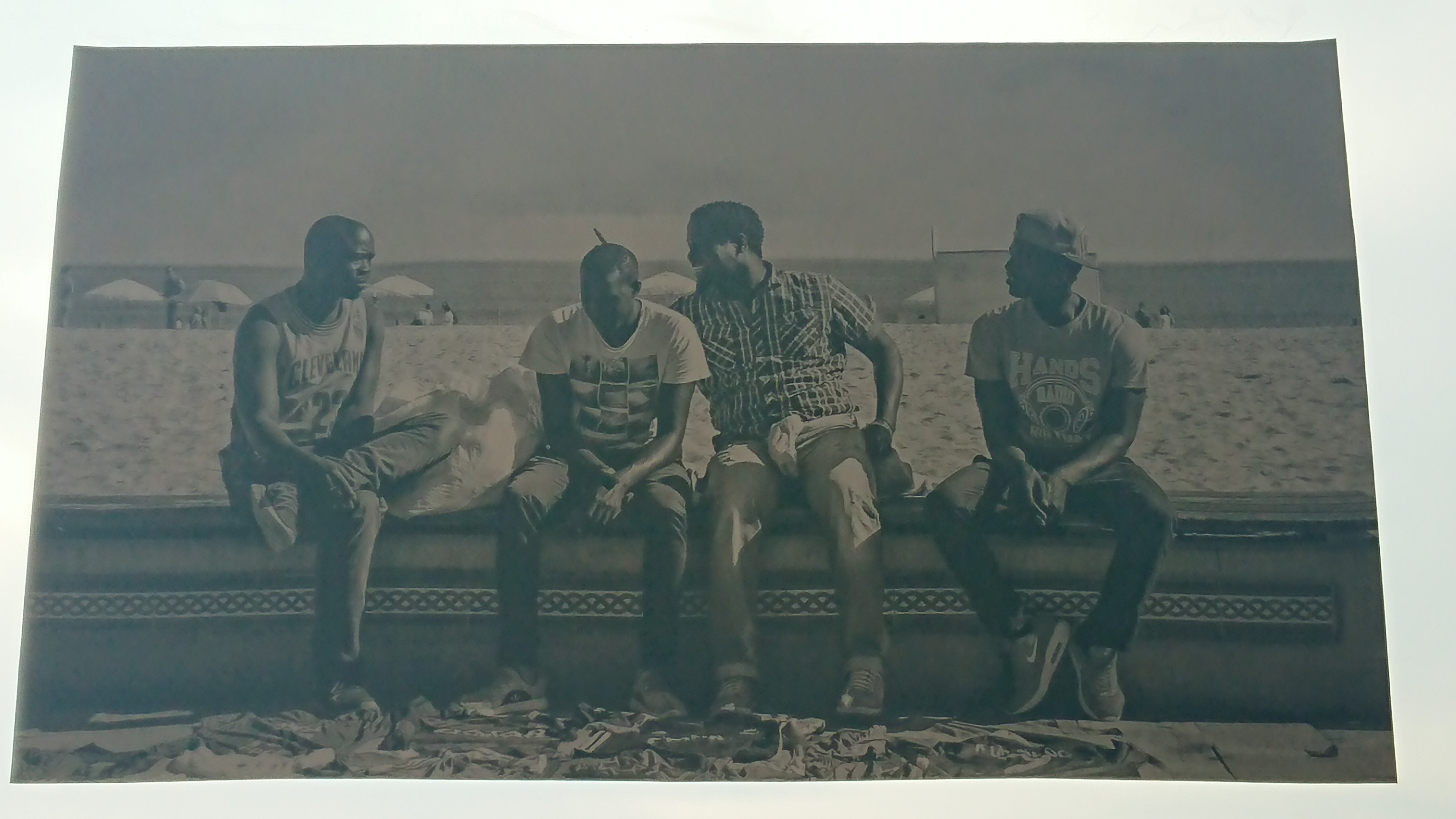

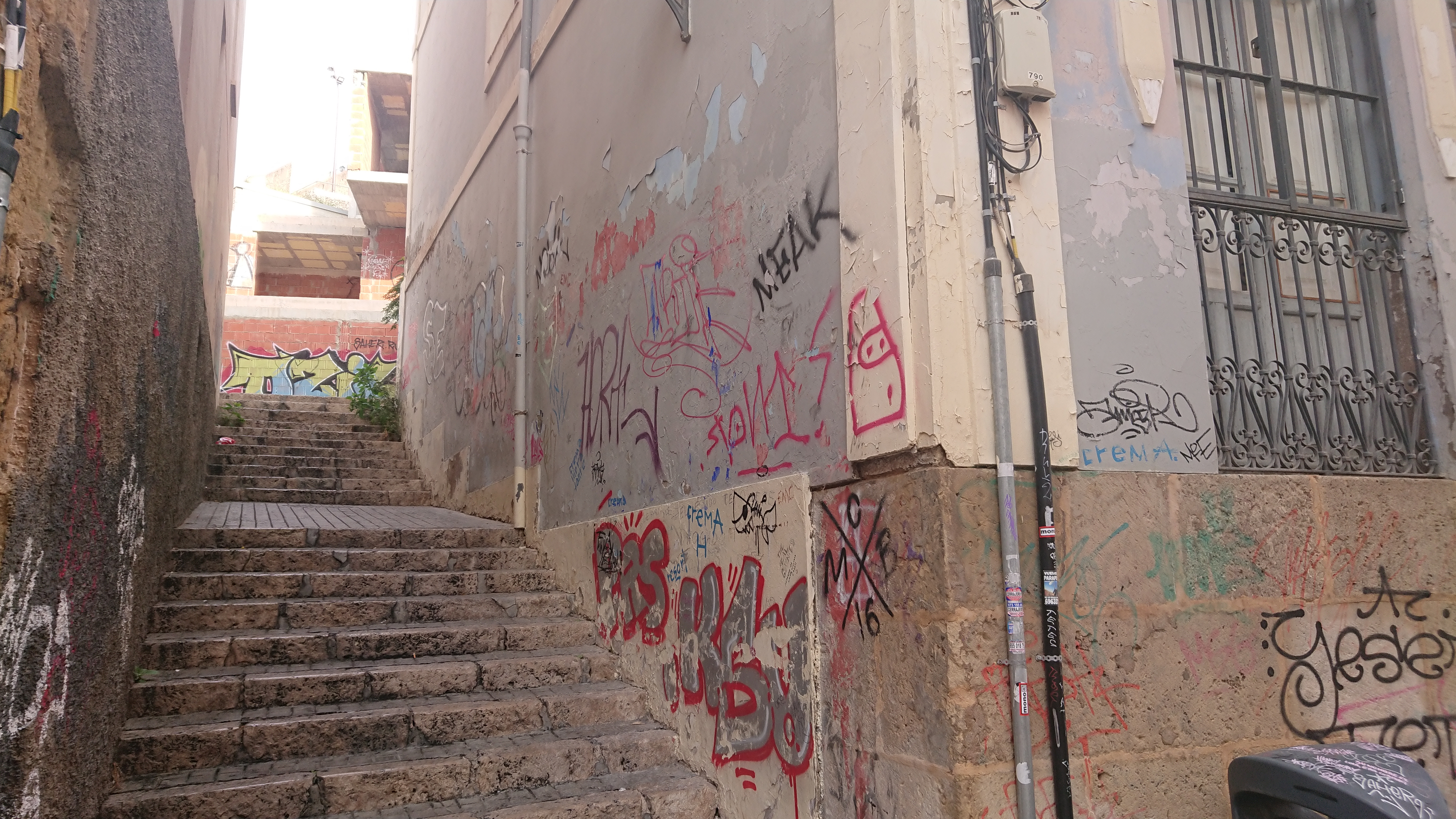
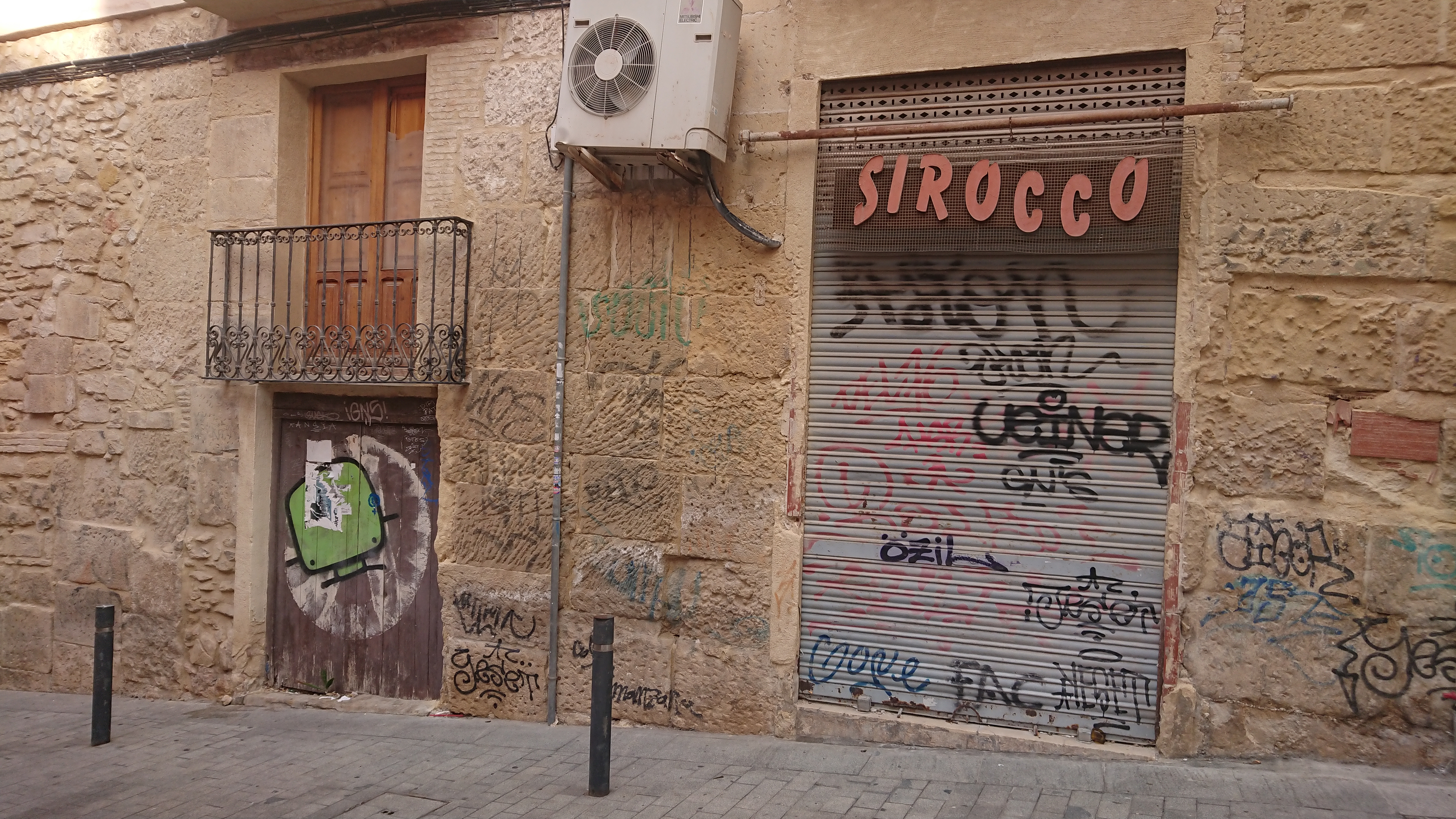
Photographs, which I took this morning, while wandering far beyond the touristic strip through rough parts of town. There is one word, which links all Latin countries around the world.
This word is ‘peligroso’ meaning dangerous, vertually, physically and in terms of a common mood in all those places.


Uncertain Nature of Possessions
 Landy stands in front of the exhaustive catalogue of 7,227 of his belongings – in the end,all that remained was his blue boiler suit (Credit: Michael Landy/Parisa Taghizadeh)
“The ultimate irony of Break Down (title) is that, as soon as it ends (the process of distraction of all own belongings), Landy will have turned himself into the ideal consumer – a man who needs to be sold new underwear, pyjamas, shoes, toothbrush, hairbrush. ”
(Dormet, 2001)
Refinements of earlier expertimentation.
The documentary narrative evidences the meaning of time, which is necessary to save money to purchase goods, such as lamps and TV sets. The “goods appear and disappear” silently without any impact on life and the surroundings. Are they therefore necessary? What is their purpose and function? Is life fulfiled by a meaningless process of collecting objects? Why cannot we exist without them?
“Is Break Down about the transience of consumer goods?
ML: Yes, many consumer objects have an in-built, compulsory obsolescence. Companies don’t want their goods to last long and that determines what materials they use. People have also generally become less able to understand how things work: objects have become much more complex. People are no longer able to maintain them properly, let alone repair them themselves.”
“Stallabrass, 2001”
Initial experimentation with the uncertain nature of physical possessions in the context of time and necessity.
Dreaming About A Watch.
“Reversing the arrow of time was possible for the quantum particles because they were correlated — their properties were linked in a way that isn’t possible for larger objects, a relationship akin to quantum entanglement but not as strong. This correlation means that the particles share some information. In thermodynamics, information has physical significance”
(Conover, 2016, p. 10)
Philosophers generally agree that time is continuous as it does not stop and start or reverse. It has also a direction and a form of order. Therefore, time is progressive and sequential, from past to present; from present to future. Time is also defined by its objective – the arrow of time indicates progression in only one direction – forward.
Therefore, with regards to income in Haiti, it should be possible to safe sufficient amount of money to purchase goods, which are desired and needed. The only obstacle is …the time required for this.
Do I have sufficient time? Is is too long to save? Can I wait? How much time do I need to save enough to purchase a wrist watch?
I am dreaming about a watch

A watch is something you have as a necessity. It is not commonly regarded as a luxury object. Here, the aspirations are much grander, such as cars, houses, nights out and jewellery. Therefore, the focus is on non-essential items rather than every day “things” we take for granted.
This visual consideration was inspired by a boy in a town called Jacmel. He continuously made visual references to my basic, inexpensive watch and indicated how impressed he was with the idea of “knowing the time”.
Time, as a concept, has become a very important part of my thinking. Therefore, if requires more contextual analysis and investigation to understand its significance in different contexts.


Everything will eventually turn into dust. A handful of sand…
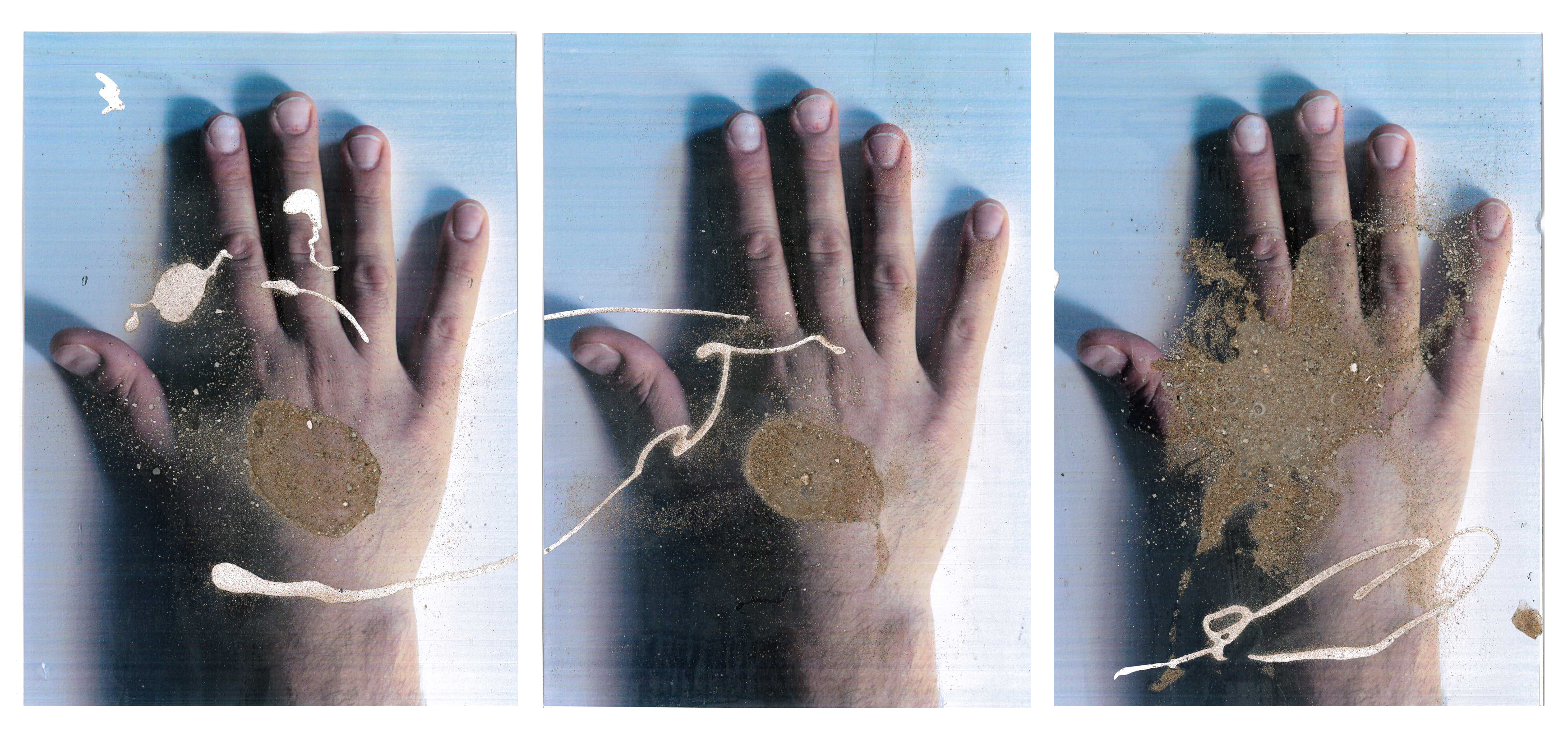
 HYPNOTIC REPETITION