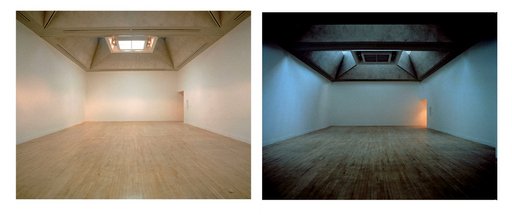
Dreaming About Light. A piece of video experimentation titled ‘Lights coming on and off’, has references to general problems with electricity supply in the provinces and constant, long term power cuts in the capital of Port au Prince. This idea has been inspired by the Turner Prize winning piece by Martin Creed “The lights going on and off 2000”.
The use of black and white in the piece echoes racial issues in Haiti and its history of slavery, colonialisation and abuse. What remains is the patchines and unpredictablity of power and light
Time has always been of essence in my investigation. Therefore, I have decided to revisit some of my previous experimentations. These contradictory statements have been inspired by the thinking of Bruce Nauman.
The narrator simultaneously reads that she has time and has no time. This has been refined in the following two videos in order to develop my creative intentions further. The avoidance of direct eye contact is also of significance. It implies that the narrator is looking up to something, searching for for help from above, perhaps from the sky. This has also references to long days, which are wasted while waiting for help; for something to happen and change in their lives.
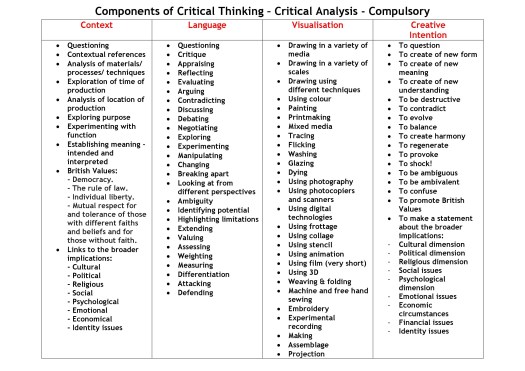
I have designed the following Critical Analysis grid in order to place my investigation firmly in the broader contexts of the potential and turbulence in the 21st century.
Context:
I am questioning uncertainties of tomorrow in the context of our anxieties brought about by transience, mortality and the arrow of time. Nothing stays the same. Everything changes inside and outside. This is such a difficult concept to embrace and accept; agree with how our life is designed to be ephemeral and ever evolving; limited by the boundaries of birth and death.
I am linking my thought processes to the broader implications of cultural, religious, social, psychological, emotional and economical contexts.
Language:
My work seems to be a critique of the obvious and mandane; within our reach and predictable. I am questioning my responses to extreme levels of poverty to trigger other thoughts, going far beyond survival. I am trying to assess my ability to adapt to the unpredictable and unknowable “tomorrow”. The project, at the moment, is open-ended and contradictory; negotiating possibilities between “I am certain” and “I am uncertain”.
Visualisation:
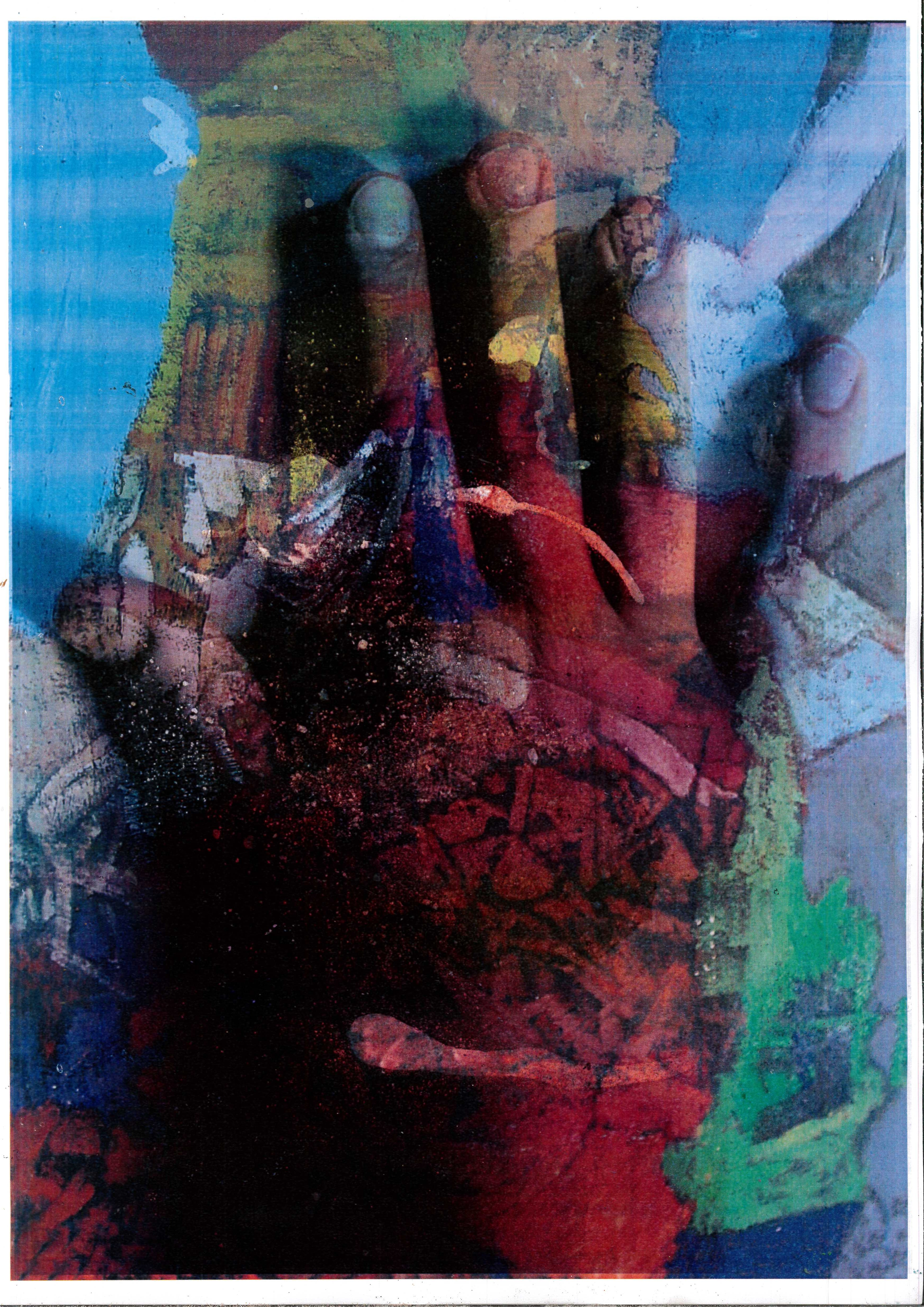
I am currently producing a number of painterly compositions, which are superimposed with photographs and mixed media manipulations. This is supported by some video pieces, which extend my thought processes while questioning the idea of time and possessions.
Creative Intentions:
My objective is to question myself and my responses to having witnessed extreme poverty and life survival. I would also like to create a new understanding of “self” and my vulnerability. My intention is to continue to produce work, which is ambiguous and reflects my fragility with respect to the arrow of time.
Initial progress and direction of project and experimentation.
Jonathan asked a lot of probing questions and used the Socratic approach to establish a good grasp of what was my line of questioning. We soon developed a good working rapport and his supportive commentary allowed me to open up and reflect on and isolate the essence of what I was trying to communicate. It soon become very apparent that my explorations were broad-ranging. I was also prepared to look for alternatives and discuss them through painting, photography and film, while taking risks and trying to develop a deeper understanding of my creative intentions. My current focus, however, remains on refining my concepts through broad-ranging contextualisation and extended critical analysis.
” Remain opened. MA should give you a chance to explore other pathways at the end of the course”
Jonathan Kearney
It had also become clear that I had no idea as to where my research journey was taking me and what were my expectations regarding the shape and form of the final visual proposal. The emphasis was solely placed on the development of ideas and alternatives through prolific production of work and supported by a dialogue of contradictory perspectives.
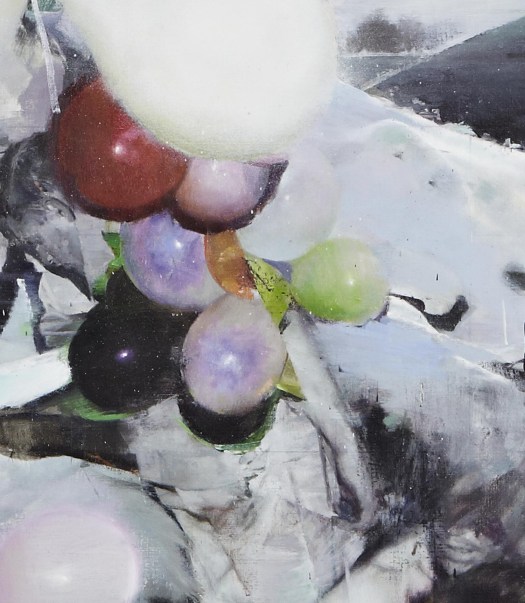
Jonathan’s skills in direct questioning of my thought processes had led to a deeper reflection on the essence of my work and helped to draw plans for introducing meaningful quality improvements. It was suggested that I should look at the work of Justin Mortimer, especially one of his pieces titled “Resort”,oil on canvas, 181 x 220 cm, 2012
We have discussed the juxtaposition of the contradictory subject matters. This ambiguity creates a powerful line of questioning, builds curiosity and remains opened to interpretation. Jonathan has also explained Mortimer’s multi-stage process of transformation between digital manipulations and the painterly execution.
I was very inspired by the work and decided to direct my further explorations towards looking at possibilities of visualisation in this new space for me, which is created somewhere between digital (non-physical) and the physical act of painting.
The tutorial has helped me to develop a greater understanding of my thought processes and overall research intentions. My focus remains to be on “my own response” to poverty. Its function is not documentary. It is intended to be more of a self-diagnosis and reflection on my own priorities and hierarchies of needs.
“Focus of self is legitimate”.
Jonathan Kearney
Final thoughts:
“Time” as a concept remains vitally important in my research and exploration.
Does witnessing poverty and deprivation make me want to change their situation on the one hand, or on the other, it merely changes my reflections on my own life, ambitions, aspirations and priorities?
Their uncertainties are an unsolvable dilemma and my reflections are simply frustrating.
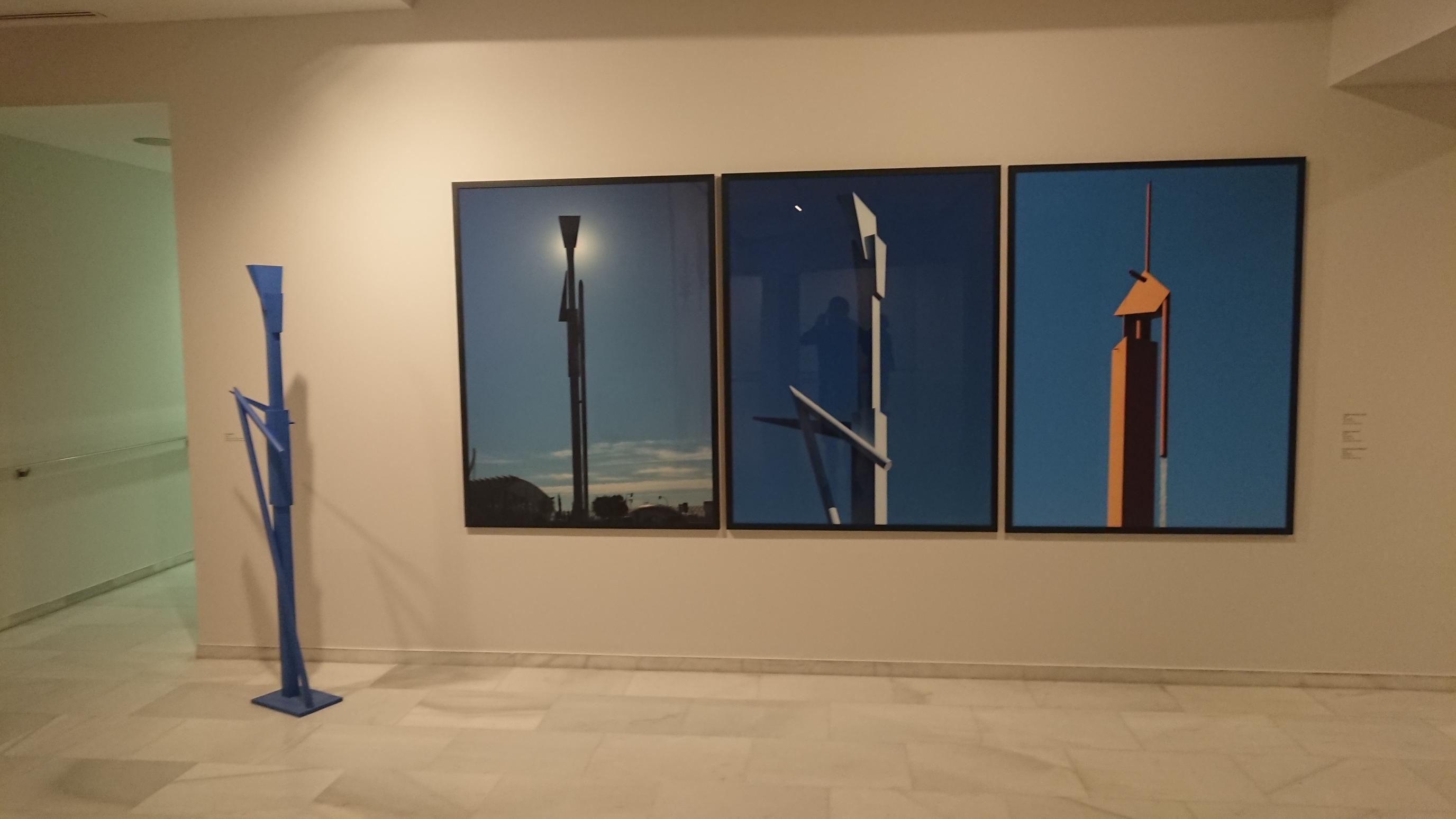
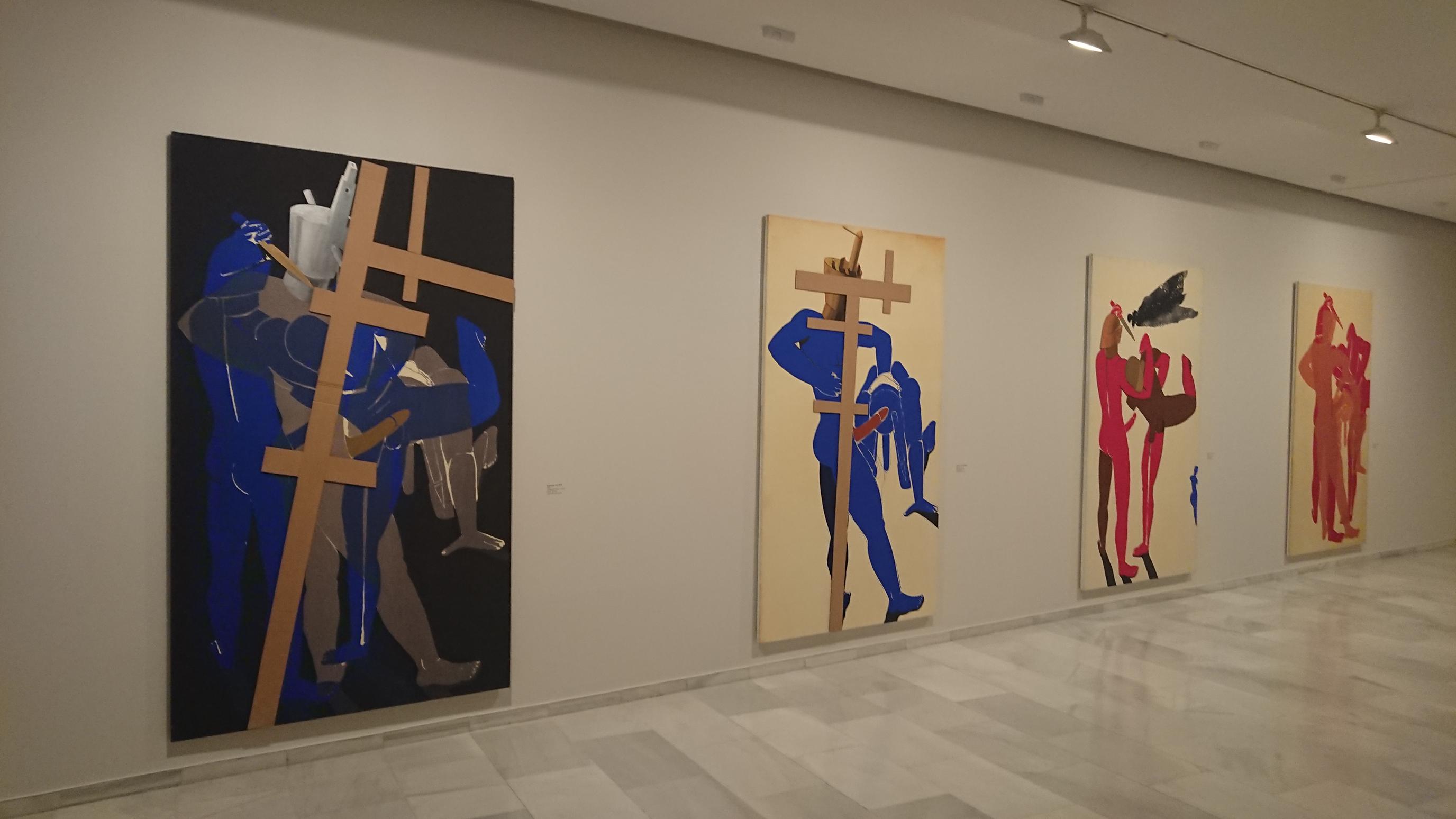
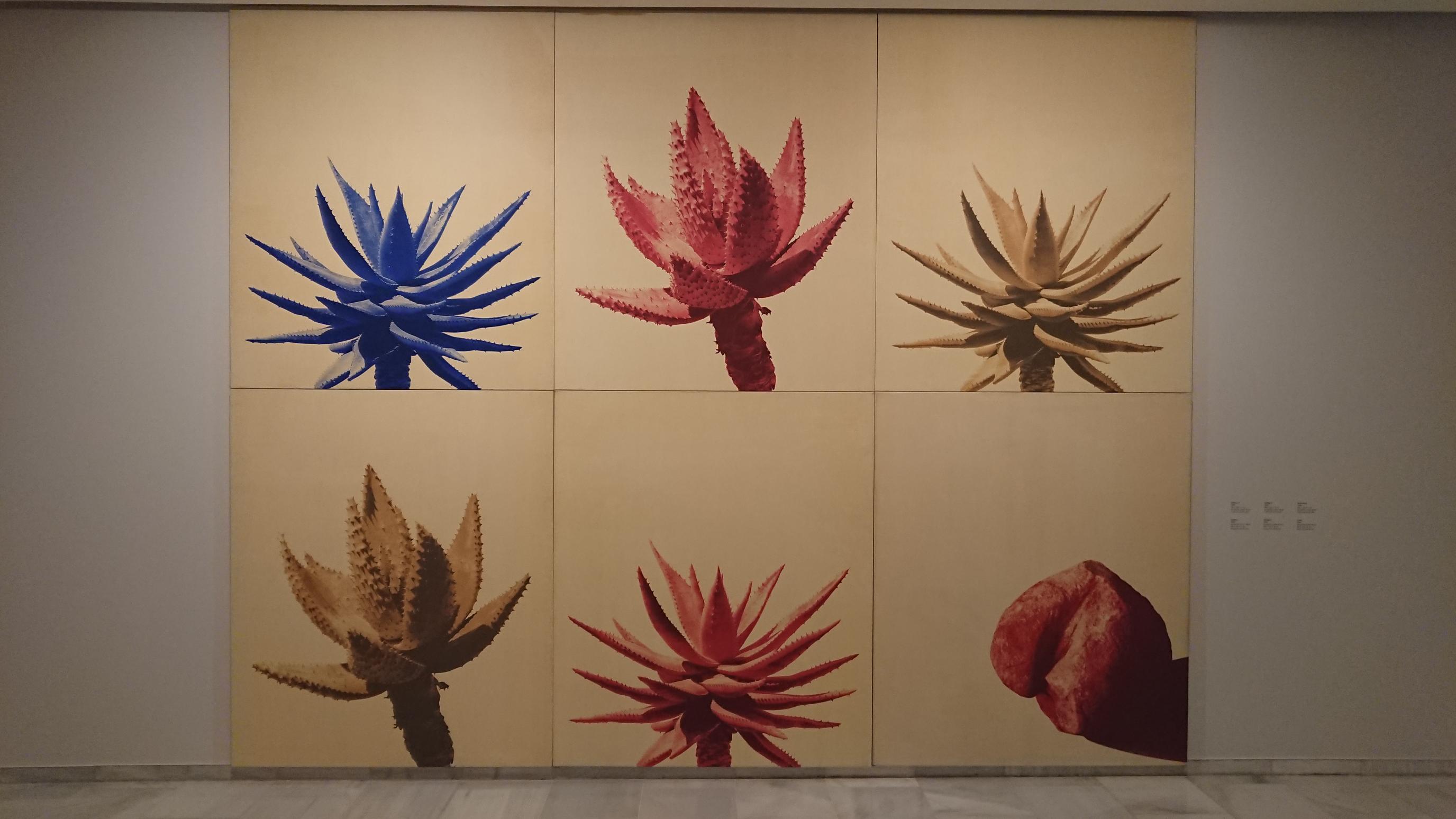
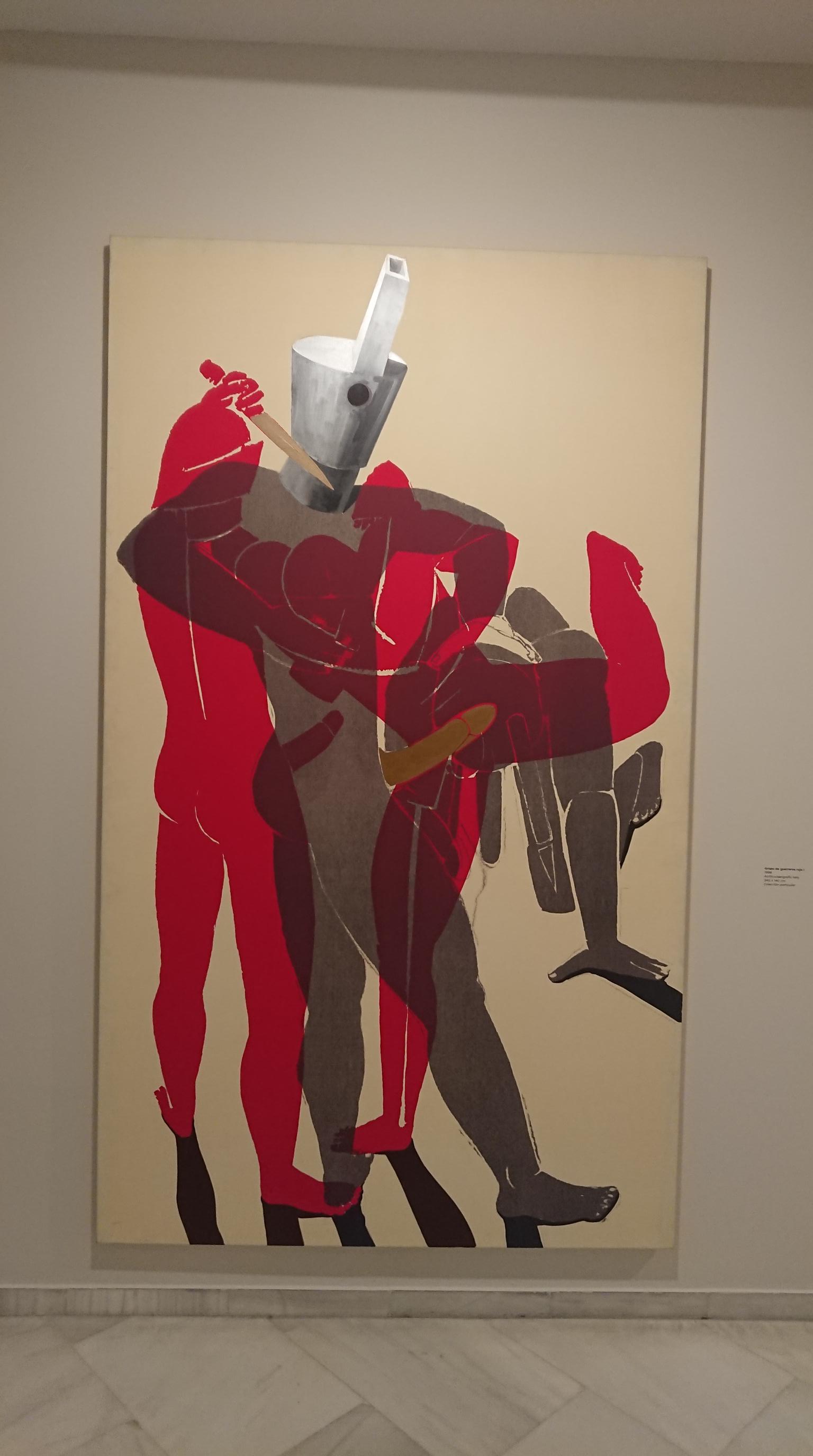
Mortality is the essence in Heidegger’s proposal of authentic living. His concept of Dasein (being-there, existence) has become very current in the context of my reflections on viewing art in Valencia.
The idea that death forms the meaning to life is well-defined within the philosophical framework. Many thinkers have discussed ‘death’ and its relationships to what we do and how are. Montaigne argues that “to study philosophy is to learn how to die”. Seneca proposes that “life is nothing, but a journey to death.” This was further extended and contradicted by Nietzsche, who states that life’s purpose and meaning are defined by our goals and inspirations.
Existential writer – Camus emphasises the absurdity of life. This thought process is extended by Kierkegaard, who questions the sense of life in the context of death.
Many others also suggest that love, beauty or reason are necessary to provide existence with meaning. My reflection is that most Philosophers will not simply assert that death is sufficient to give our existence a form of meaning and reason. Is art as a language of expression perhaps that addition, which is needed? Is visual exploration trying to solve the biggest puzzle of life?
I have spent the last two days exploring a range of galleries and museums in this bustling city. Currently, there is a broad offer of exciting exhibitions available, covering both Spanish and internationally renowned; traditional and contemporary fine artists. During my viewing experiences, I tried to categorise artefacts by the essence of their subject matter or theme. After a very careful consideration, I have concluded that our common fear of transience is the origin of all of our thoughts, feelings and undertakings. We are subjected to mortality and this is where all of our worries and anxieties are stemmed from. This phenomenon can manifest itself in a variety of forms, from religion, fear of omnipotent God and the ‘Last Judgement’ to death, illness, pain and other general life’s misfortunes. I found an ever-increasing evidence of loneliness, isolation, alienation and forever present inability to establish a deeper rapport and communication with others.
The most common theme in all work was an act of inner desperation to get ‘help’ from someone out there, who can help us to embrace our uncertainties through some ‘magic’ participation in our lives.
In conclusion, I have a growing uncertainty concerned with an inclusion of ‘religion’ in my visual research and experimentation
A documentary photographic review is below:
IVAM – Institut Valencià d’Art Modern
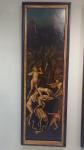
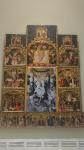
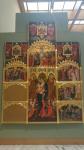
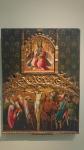
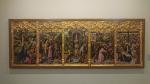
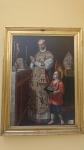
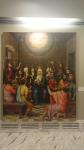
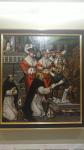
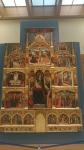
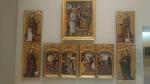
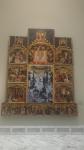
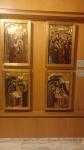
Museu de Belles Arts de València
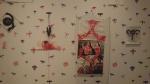
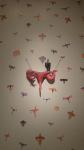
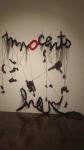
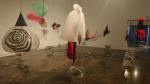
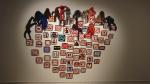
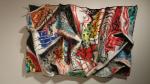
Annette Messager. Pudique – Publique
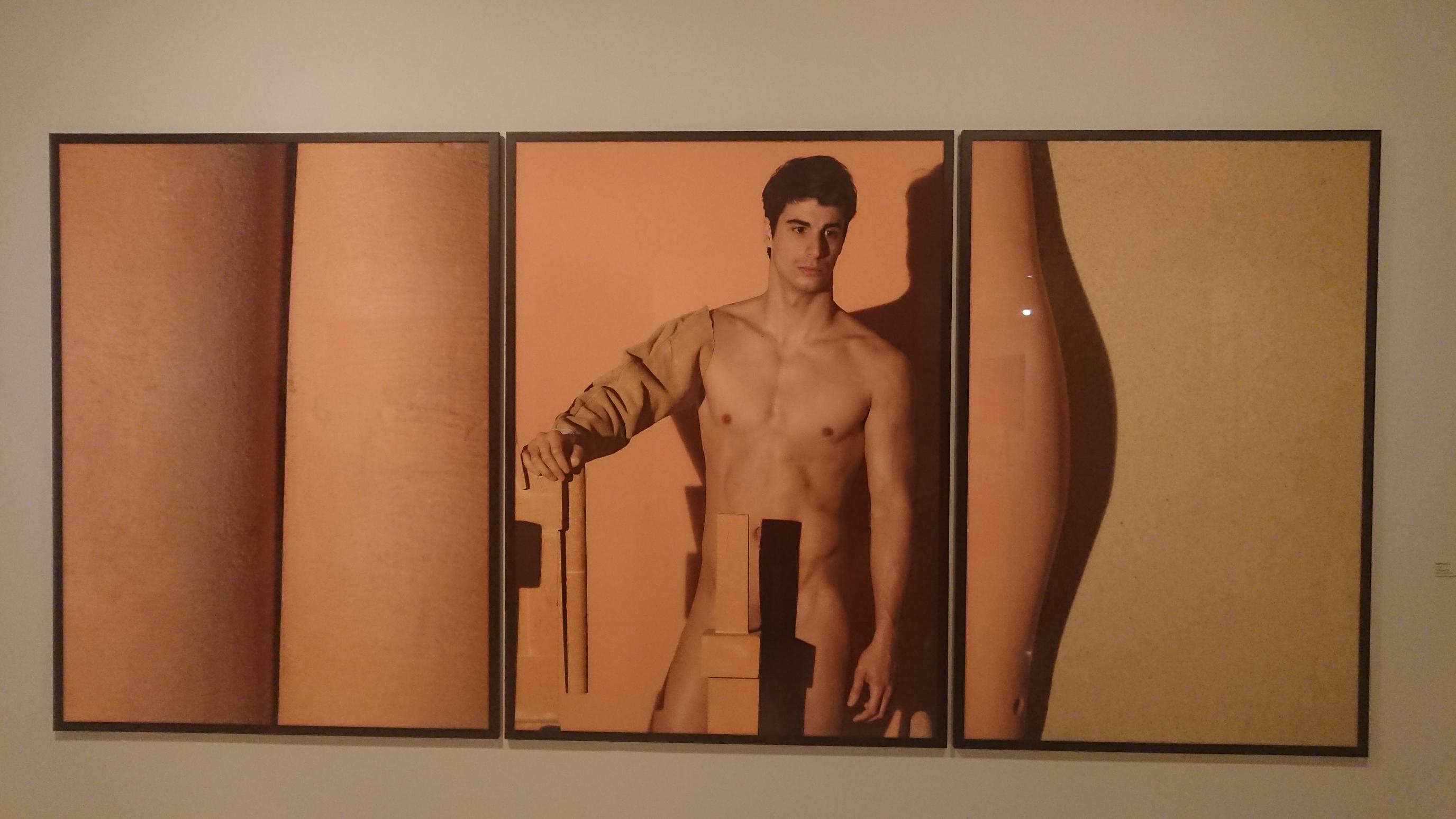
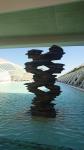
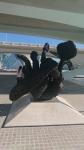
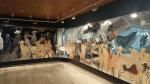
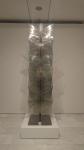
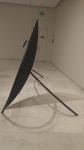
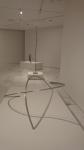
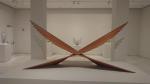
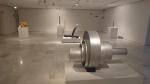
Tony Cragg’s work at the Palace of Arts and Science.
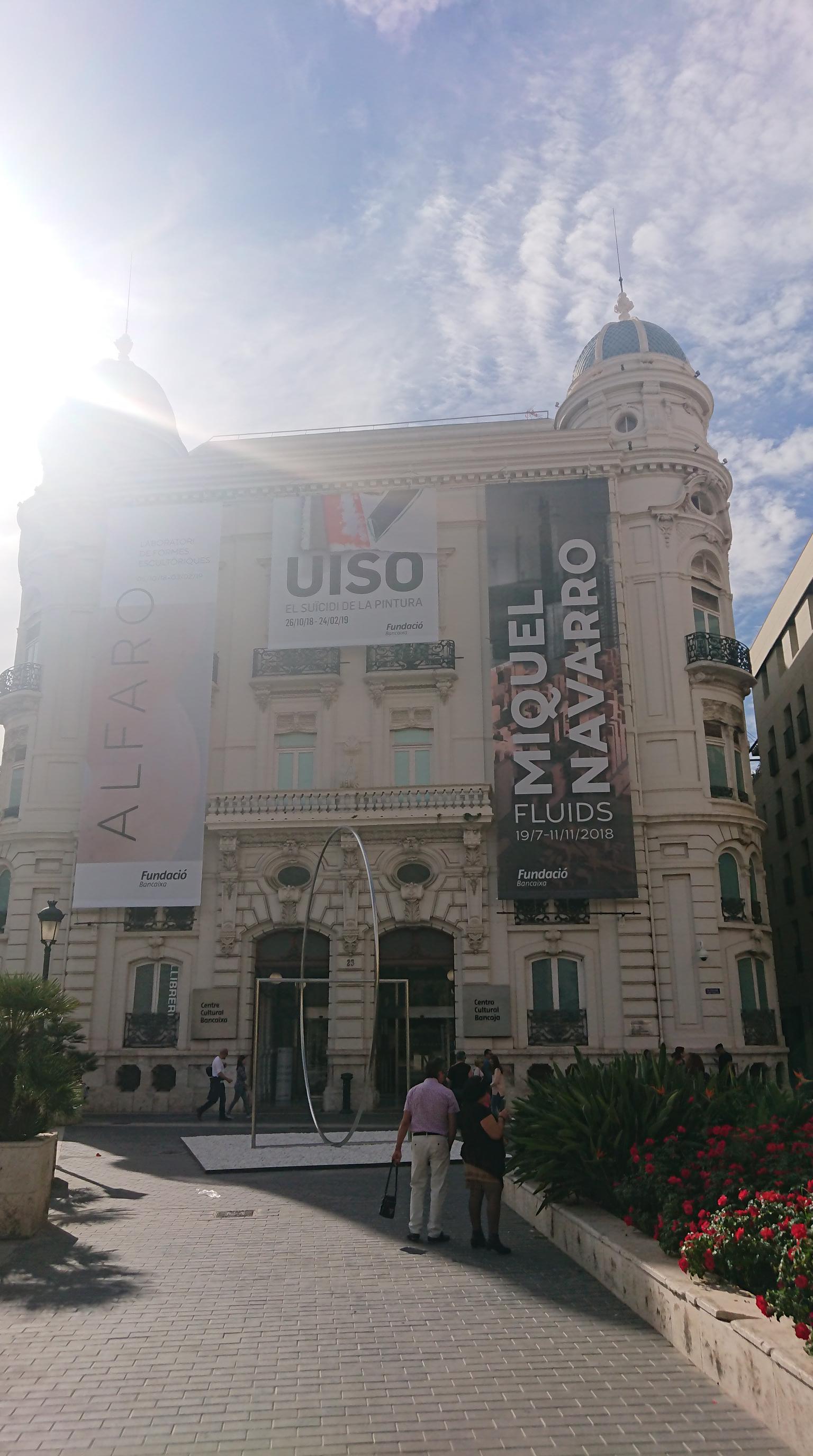
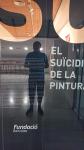
Ulso Elemany’s exhibition at the Boncaixa Foundacion titled
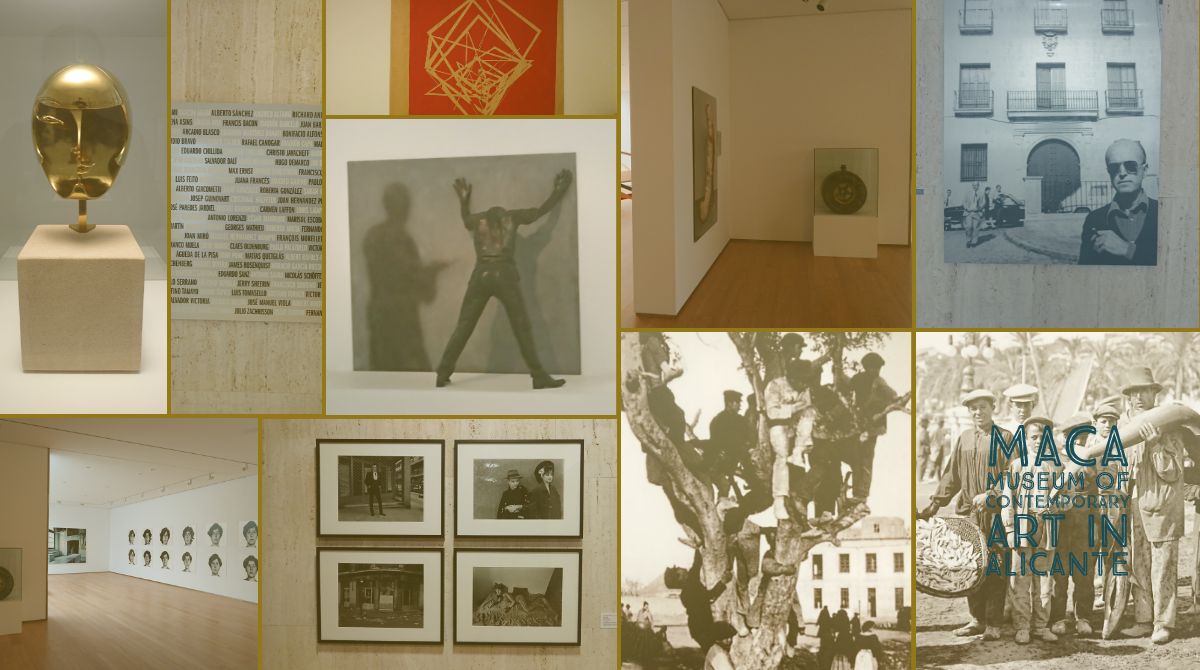
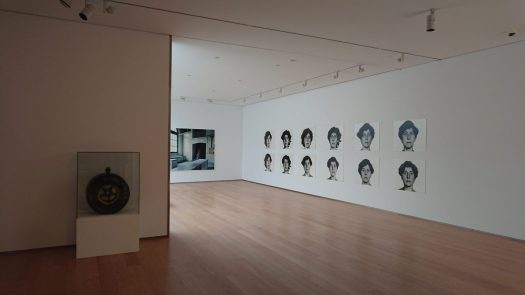
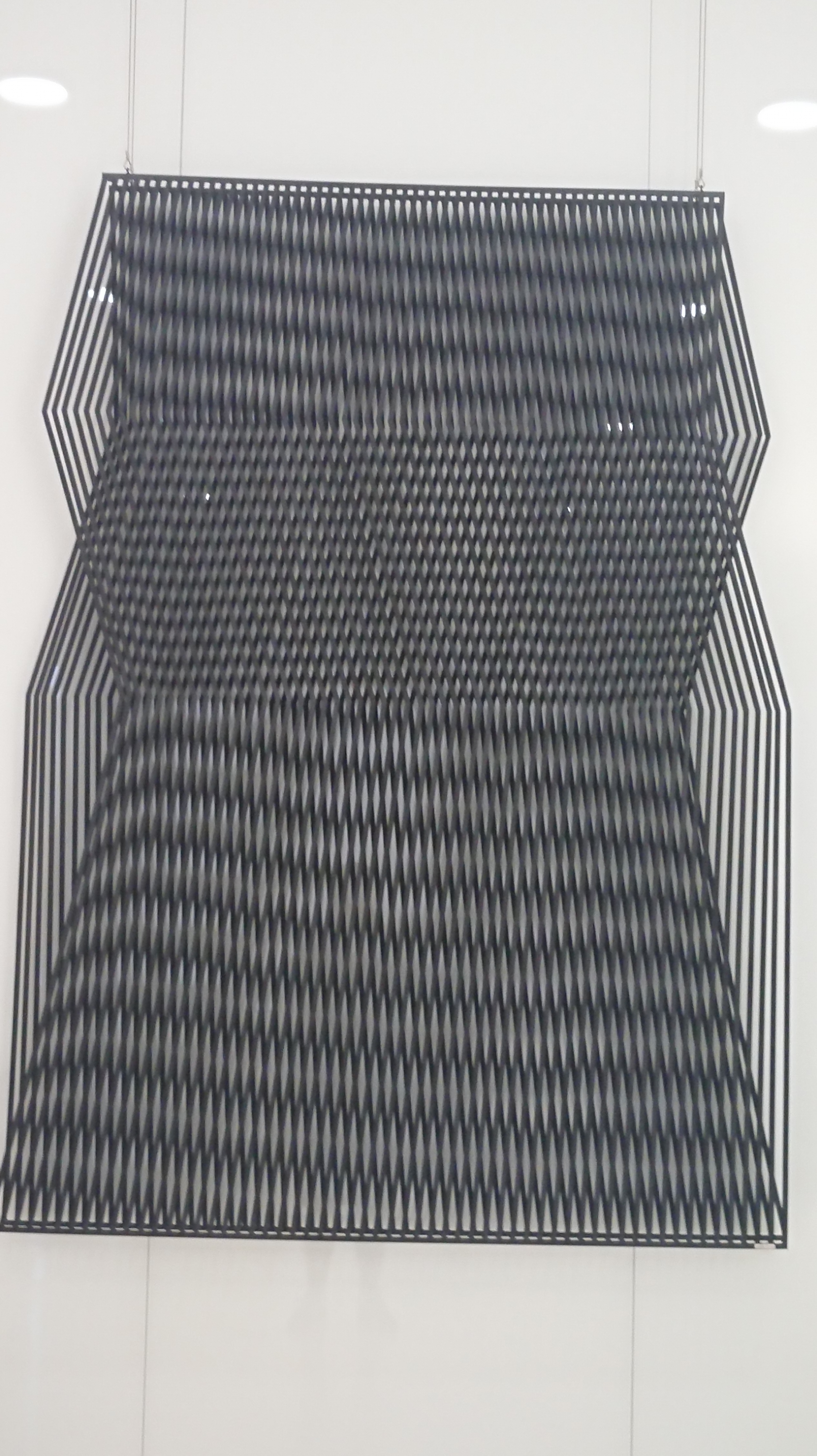
There was a range of work on display by the famous Eusebio Sempere. The other work included op art installations by local artists and paintings with references to the Spanish War.
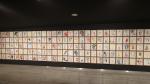
I felt quite disappointed with the currency of work in the gallery, which is supposed to promote the contemporary arts in Spain. The building, however, was truly inspirational and provided me with some opportunities to explore ideas of optical illusions in architecture, especially corridors and staircases.
Unfortunately, I was not allowed to photograph them.
Exhibition at the Bus Station
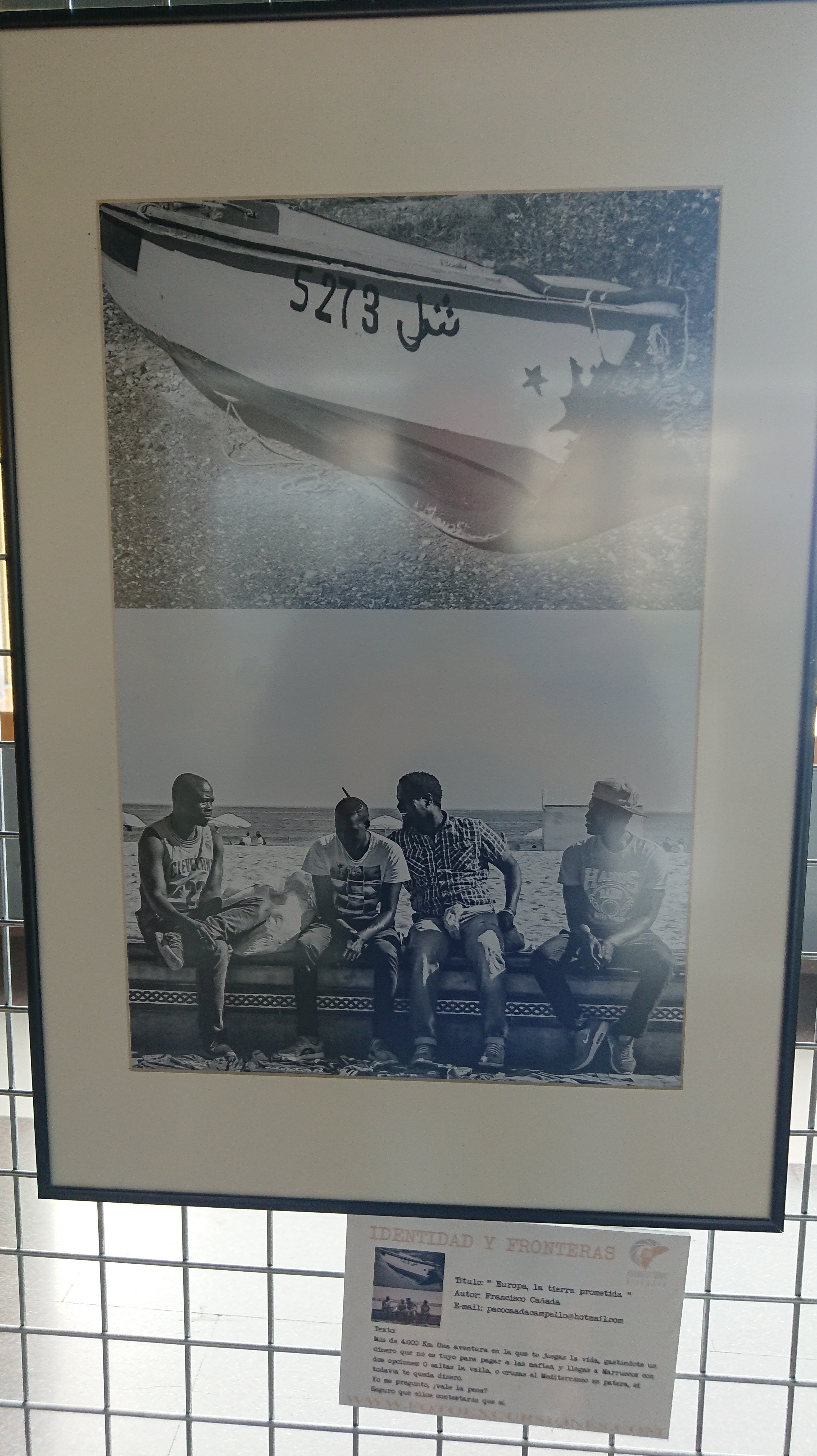
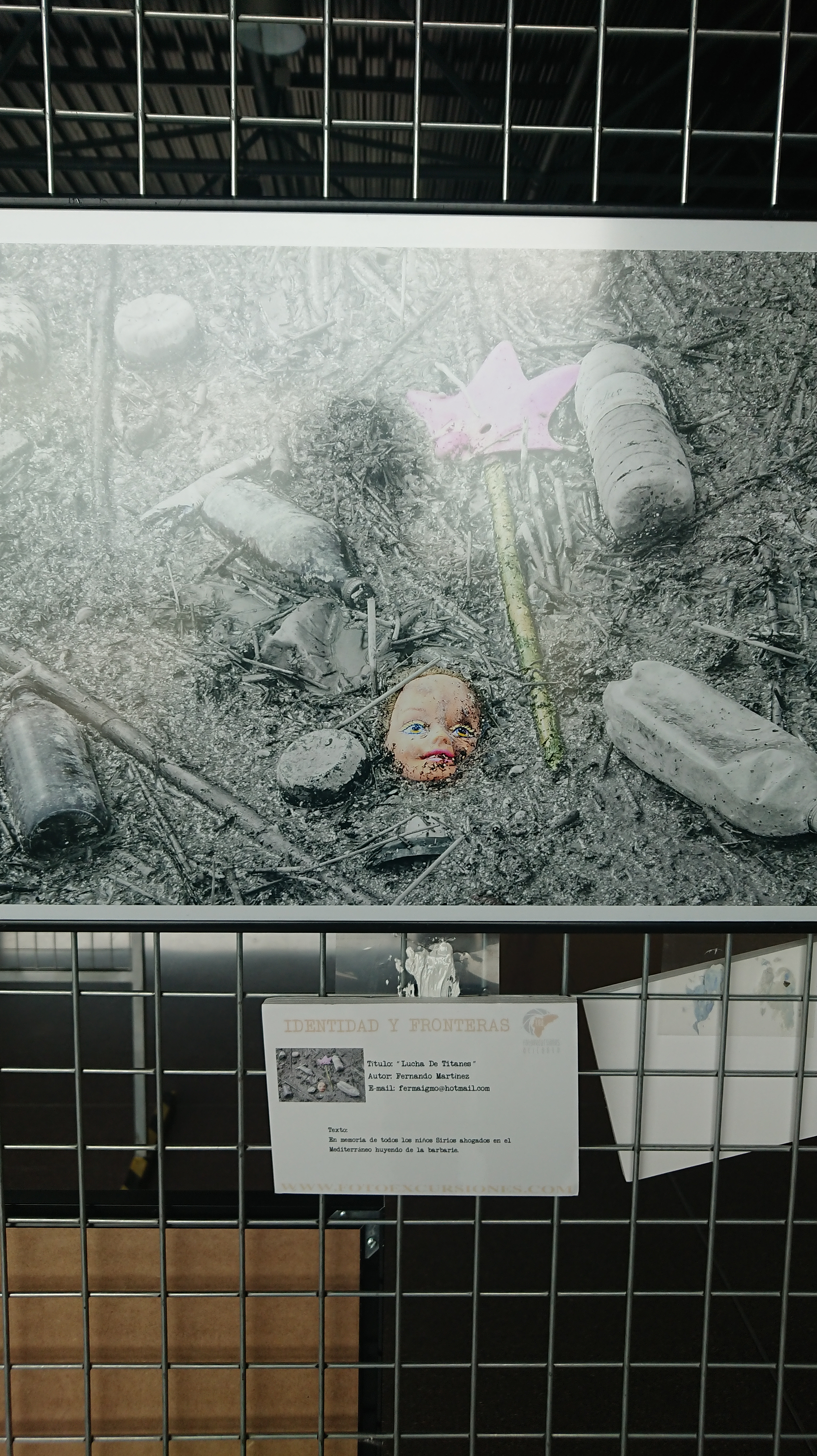
‘Boarders and Immigration’
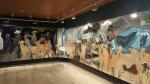
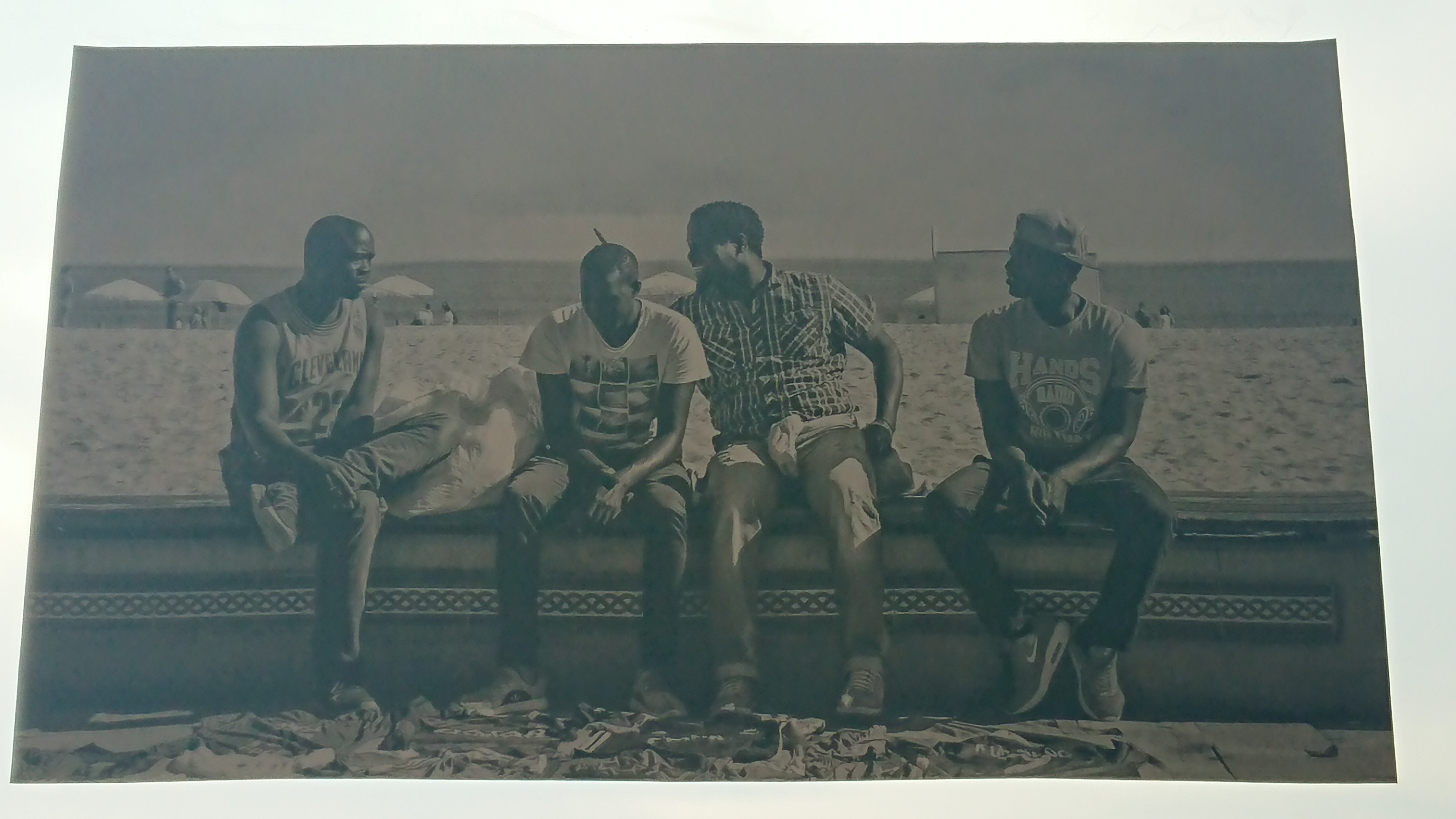
Surprisingly, the most inspiring exhibition of work was at the coach station. The was a range of dramatic photographs on display made from broken wire dancing material. This adds to the element of reality, while creating a more appropriate setting for the content of the photographs than a typical white and clean wall.
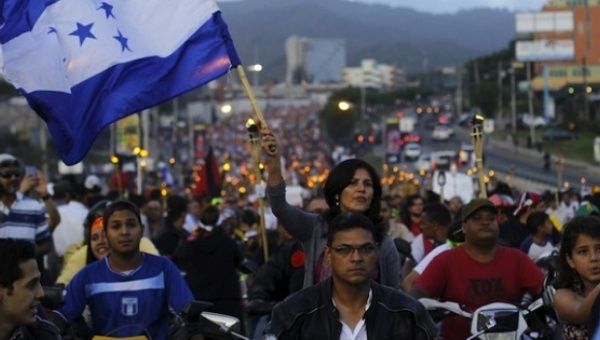
(Photo by telesur. com)
Uncertainties of the characters in these photographs are on a different scale to what I have ever experienced. The timing of this exhibition coincides with the March of 7000 mainly Honduran citizens through Guatemala and Mexico towards the American boarder. I have travelled vastly through all those countries and have many good friends there. Practically, every family is affected by the consequences of gang violence, “war tax”, drug smuggling and loneliness, which is caused by emigration. Perhaps, I need to include these important issues as a serious consideration in my research.
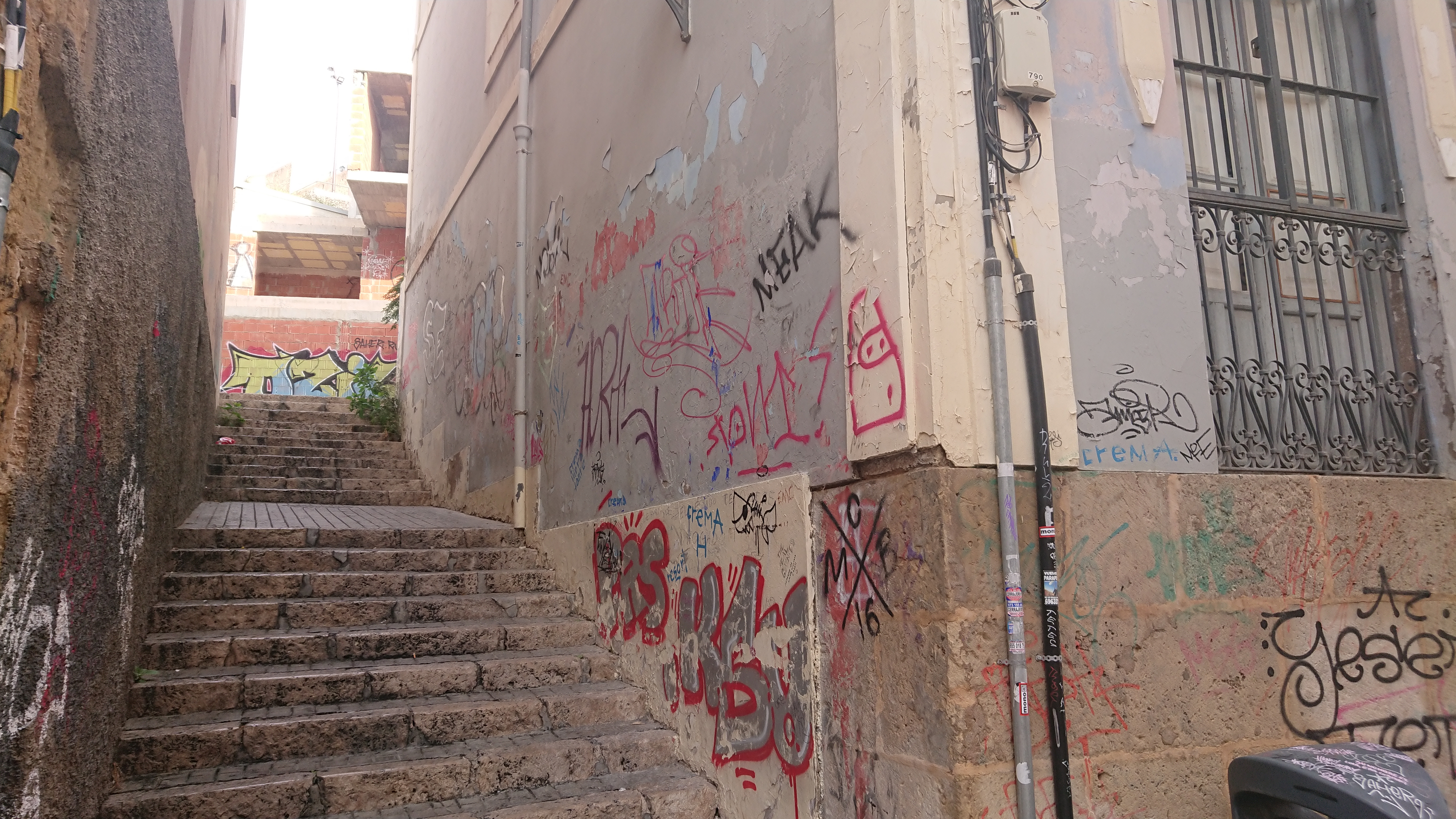
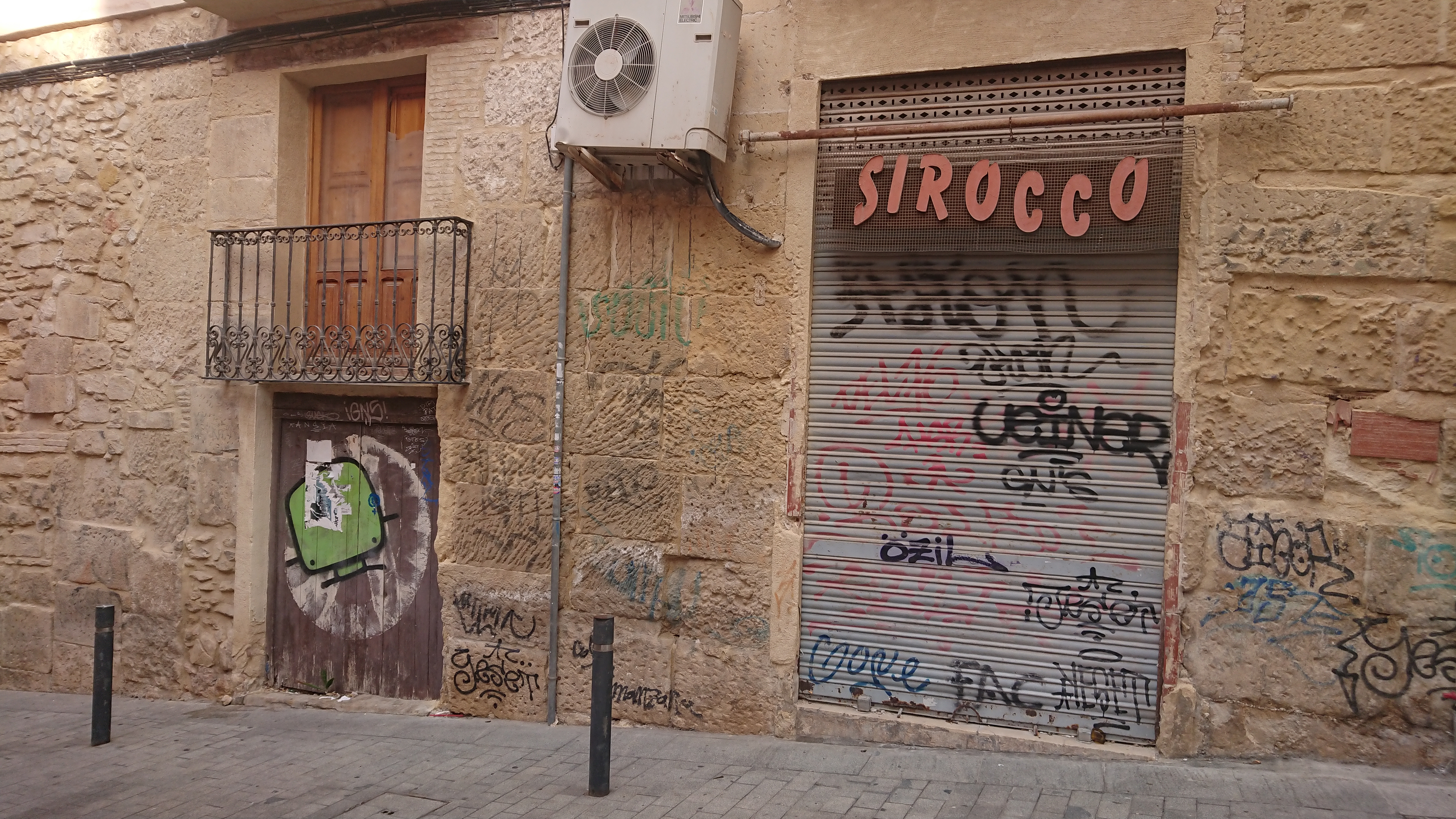
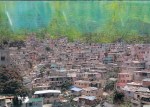
Photographs, which I took this morning, while wandering far beyond the touristic strip through rough parts of town. There is one word, which links all Latin countries around the world.
This word is ‘peligroso’ meaning dangerous, vertually, physically and in terms of a common mood in all those places.
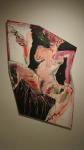
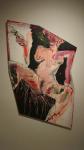
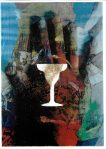
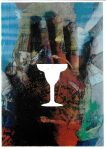
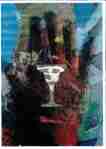
Encaustic and oil on primed board, projection of hand, mixed media, PVA and sand.
Everything will turn into dust, including my painterly desires and uncertainties.
This is especially true, when re evaluating the hierarchy of needs in reflection to my experiences in Haiti.
Hand gesture tries to stop a painterly process of expression and is gradually replaced by emptyness. The hole shaped as a silhouette of a wine glass, is marked with the anxieties of the past, which have turned into dust.
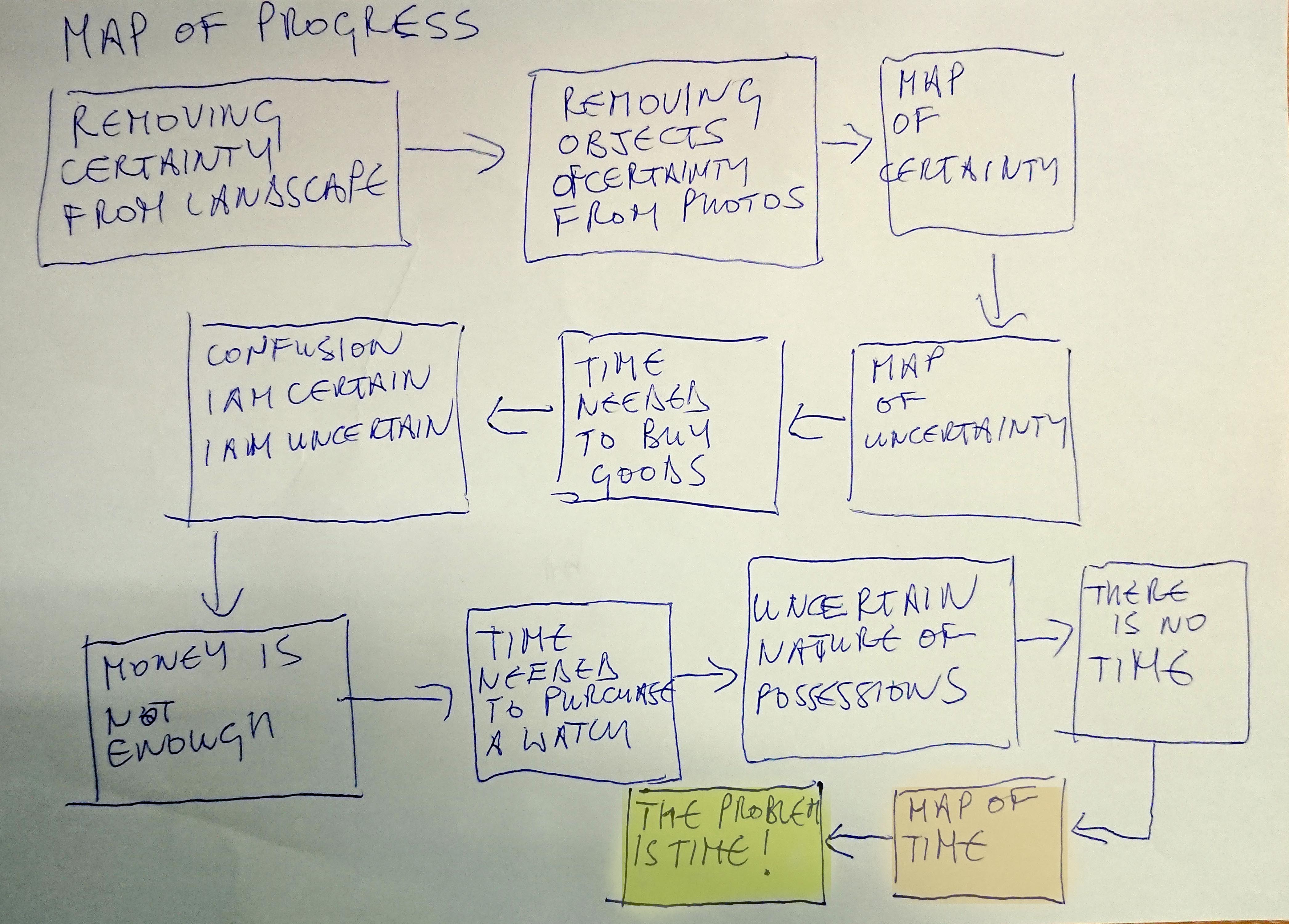
Map of Progress
I have created the above map of progress to try to find out, where my research journey has taken me so far. It should help me to get things in focus. It has also allowed me to write a list of activities, which I need to finish before moving on with additional lines of enquiry, as follows:
1. Explore references to the designs of Mr Jones watch – I need and I wantI
2. ‘I have time’ video needs to be completed and edited
3. ‘Paintings and Mirror’ video needs to be extended.
4. I have created a range of food videos and should include them in my records.
5. Check and complete a range of reflective accounts, which are currently in a note form.
6. Isolate the element of questioning, while considering the following : What am I doing? How can I develop it? What is the next step?
7. Update references with research into: Time Chance Change Uncertainty
I have designed the following Map of Time.
I have time for I have no time for
I have time to I have no time to
This video has just been updated. I am trying to deal with self-reflection in the mirror and the gradual replacement of focus from painting onto reflected image and vice versa.
Refinement 2.
Refinement 1. Please, observe the inside of the mirror.
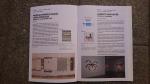
Landy stands in front of the exhaustive catalogue of 7,227 of his belongings – in the end,all that remained was his blue boiler suit (Credit: Michael Landy/Parisa Taghizadeh)
“The ultimate irony of Break Down (title) is that, as soon as it ends (the process of distraction of all own belongings), Landy will have turned himself into the ideal consumer – a man who needs to be sold new underwear, pyjamas, shoes, toothbrush, hairbrush. ”
(Dormet, 2001)
Refinements of earlier expertimentation.
The documentary narrative evidences the meaning of time, which is necessary to save money to purchase goods, such as lamps and TV sets. The “goods appear and disappear” silently without any impact on life and the surroundings. Are they therefore necessary? What is their purpose and function? Is life fulfiled by a meaningless process of collecting objects? Why cannot we exist without them?
“Is Break Down about the transience of consumer goods?
ML: Yes, many consumer objects have an in-built, compulsory obsolescence. Companies don’t want their goods to last long and that determines what materials they use. People have also generally become less able to understand how things work: objects have become much more complex. People are no longer able to maintain them properly, let alone repair them themselves.”
“Stallabrass, 2001”
Initial experimentation with the uncertain nature of physical possessions in the context of time and necessity.
The idea of using wine as a primary source came from my experiences in Haiti. I ordered a bottle of wine with my dinner in a restaurant at an expensive hotel in Port-Au-Prince. The bottle arrived on the table together with two glasses. Following a 45 minutes wait, I learned that the hotel did not have a bottle opener to serve it. The bottle was taken away. Money as a resource was not sufficient. Some things are simply so unnecessary that they become totally unobtainable.
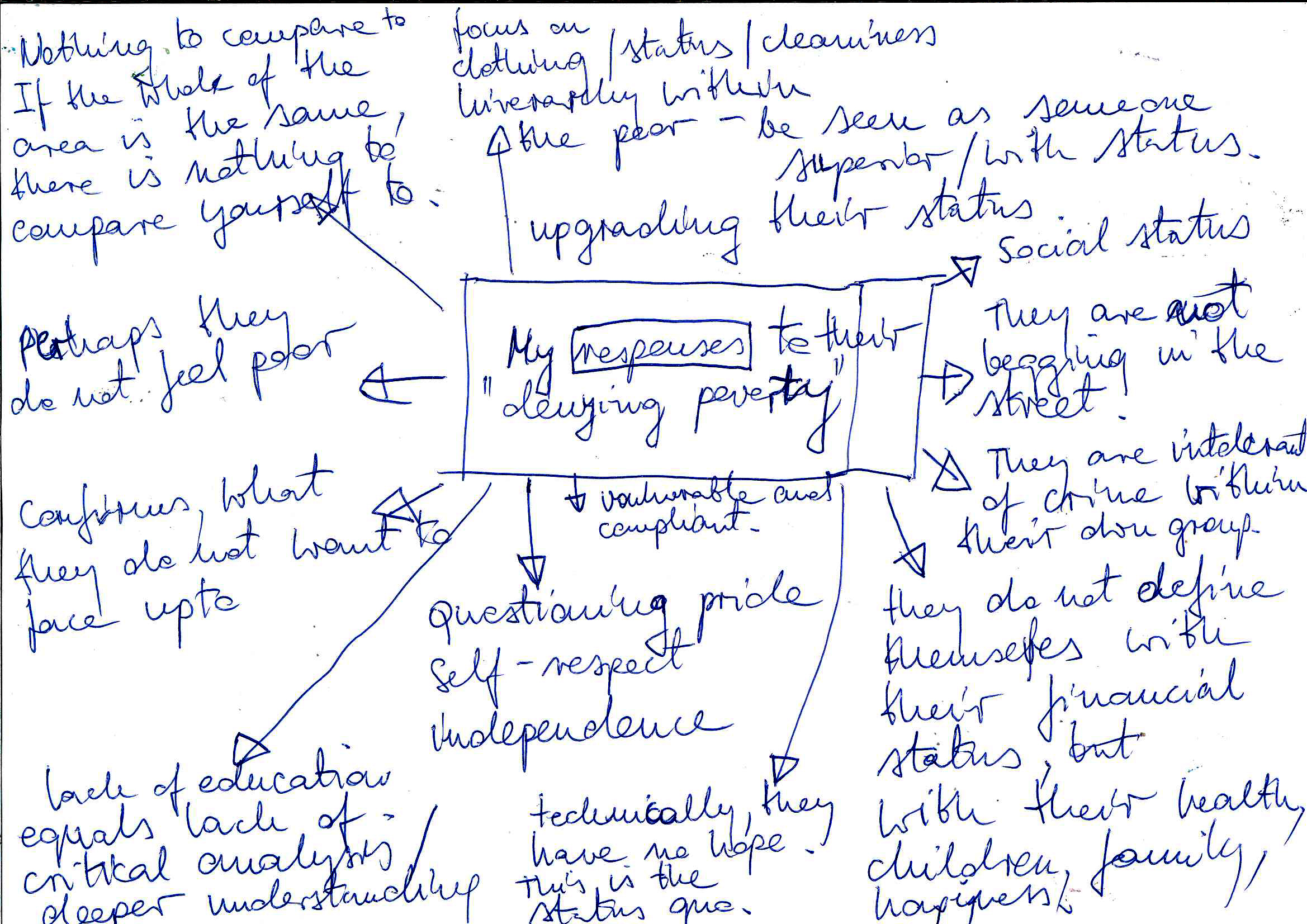
I am trying to critically analyse the message in the sound recordings accompanying the video below. While considering the uncertain nature of my unnecessary treats in life and digesting images in the sideshow at the bottom of this post. This forces a broad range of reflections and allows me to develop a deeper understanding of the context of why people deny poverty in Haiti.
A refined version shows metaphorically the uncertain nature of physical objects, which “come and go” like a wave. The mundane and cyclic character of dailiness.
“Some texts are going to be reinforced, some will lose a lot compared with my original intentions, but I think that is okay. I’m just going to let that happen, however it happens. They’re out of context, so they become a whole new kind of experience … I am using these otherwise finished texts as raw material for a whole other idea … I am not as emotionally involved with the individual pieces as I would be if I were trying to re-install each one. I’m using this stuff in a kind of abstract way, or pretending it is abstract and allowing almost random associations to appear.”
Final film maquette with both voices mixing together.
The concept for this experiment was inspired by the work of Bruce Nauman, especially…
The simultaneous juxtaposition of a map of certainties and uncertainties creates an atmosphere of confusion. I have purposefully chosen a young person, who represents a different generation to my own to reinforce the legacy of uncertainty that we leave in our wake. I am plagued by uncertainty in response to the current turbulence and the pace of change. The younger generation are ill equipped to understand and comprehend the uncertainties they are presented with. Their inability to embrace change causes anxiety, distress and mental health issues.
“We live with an epidemic of anxiety. In 1980, 4% of Americans suffered a mental disorder associated with anxiety. Today half do. The trends in Britain are similar. A third of Britons will experience anxiety disorder at some stage in their life, with an explosion of reported anxiety among teenagers and young adults. Anxiety, depression, self-harm, attention deficit disorder and profound eating problems afflict our young as never before.”
(Hutton, 2016)
Younger people isolate themselves are immersed in the artificial online world, which lacks physicality of experience and reality of existence and human contact.
The more self-contained you are, the more lonely you can become and inadvertently find yourself with no one.
Making Certainty Uncertain and Unpredictability Definitive
“Uncertainty about what?
While the Heisenberg Uncertainty Principle (HUP) does not mean “there are some things you can never be sure of”, it does imply “you can never be sure of everything.” How can this be? If you can never be sure of everything, doesn’t that mean there are some things you can never be sure of? Surprisingly, no.”
(Wiseman, 2012)
Fundamental certainties of the past have become the greatest uncertainties of the future. The most significant uncertainties of the past have evolved to become almost certain today and definitive tomorrow.
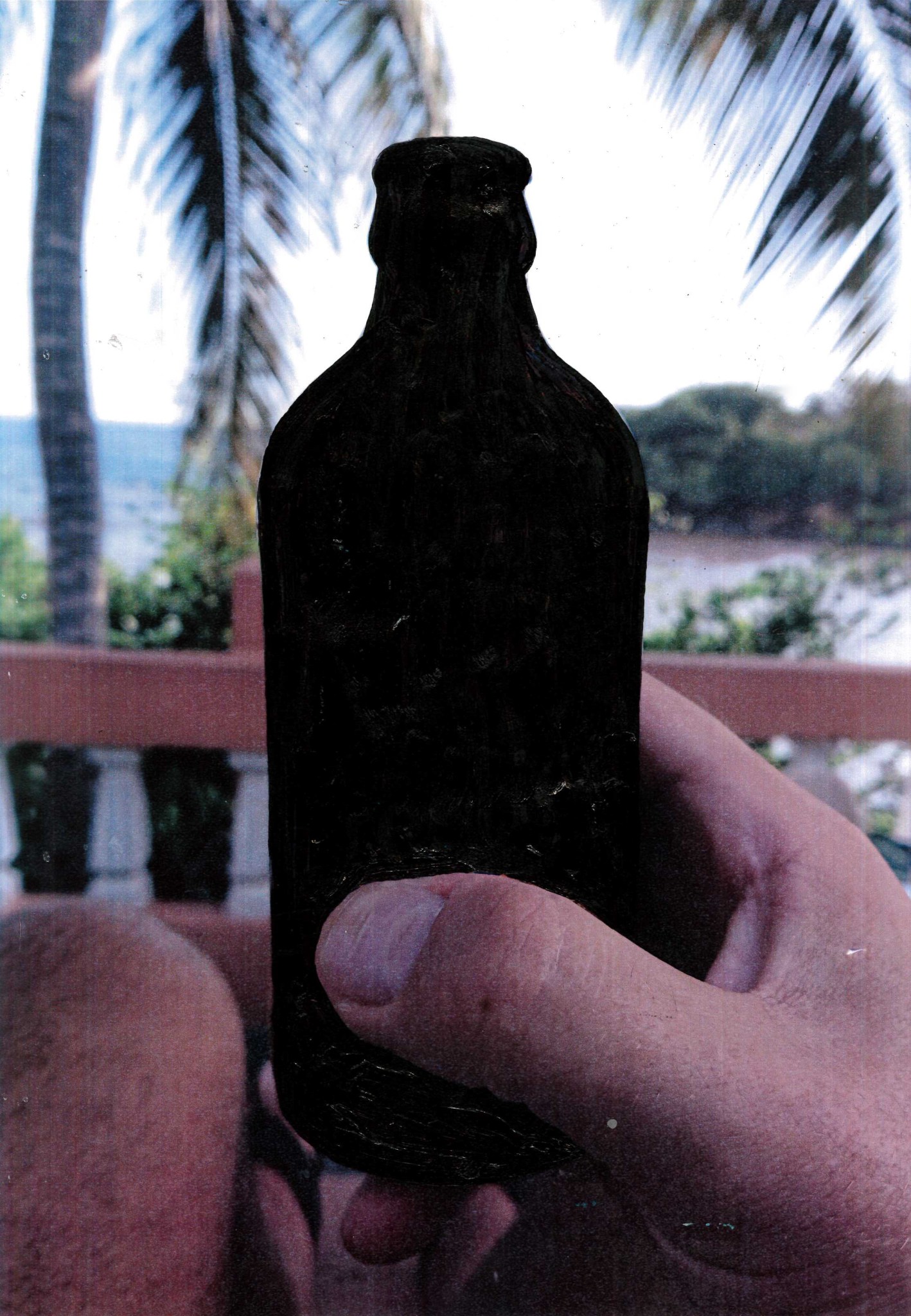
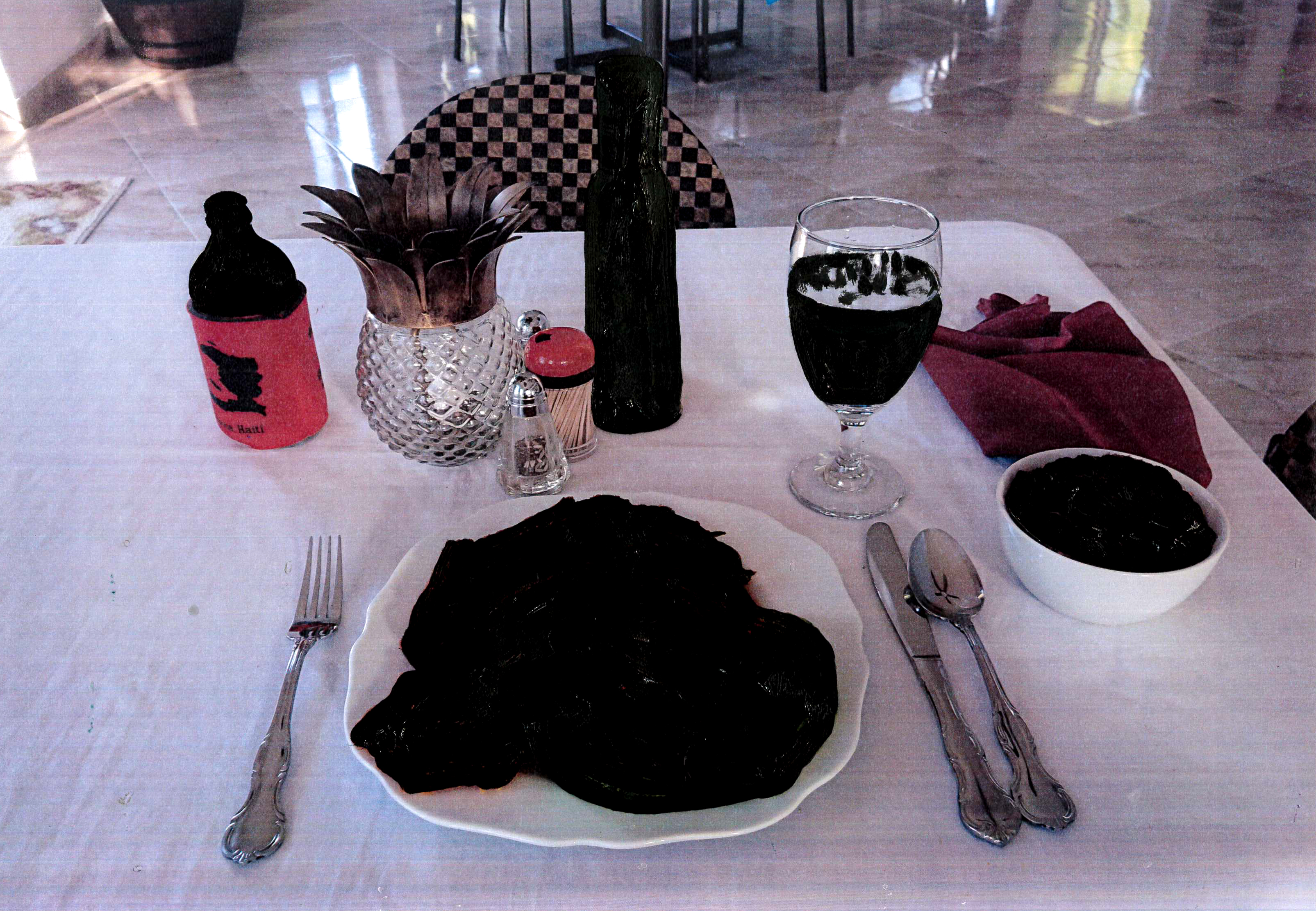
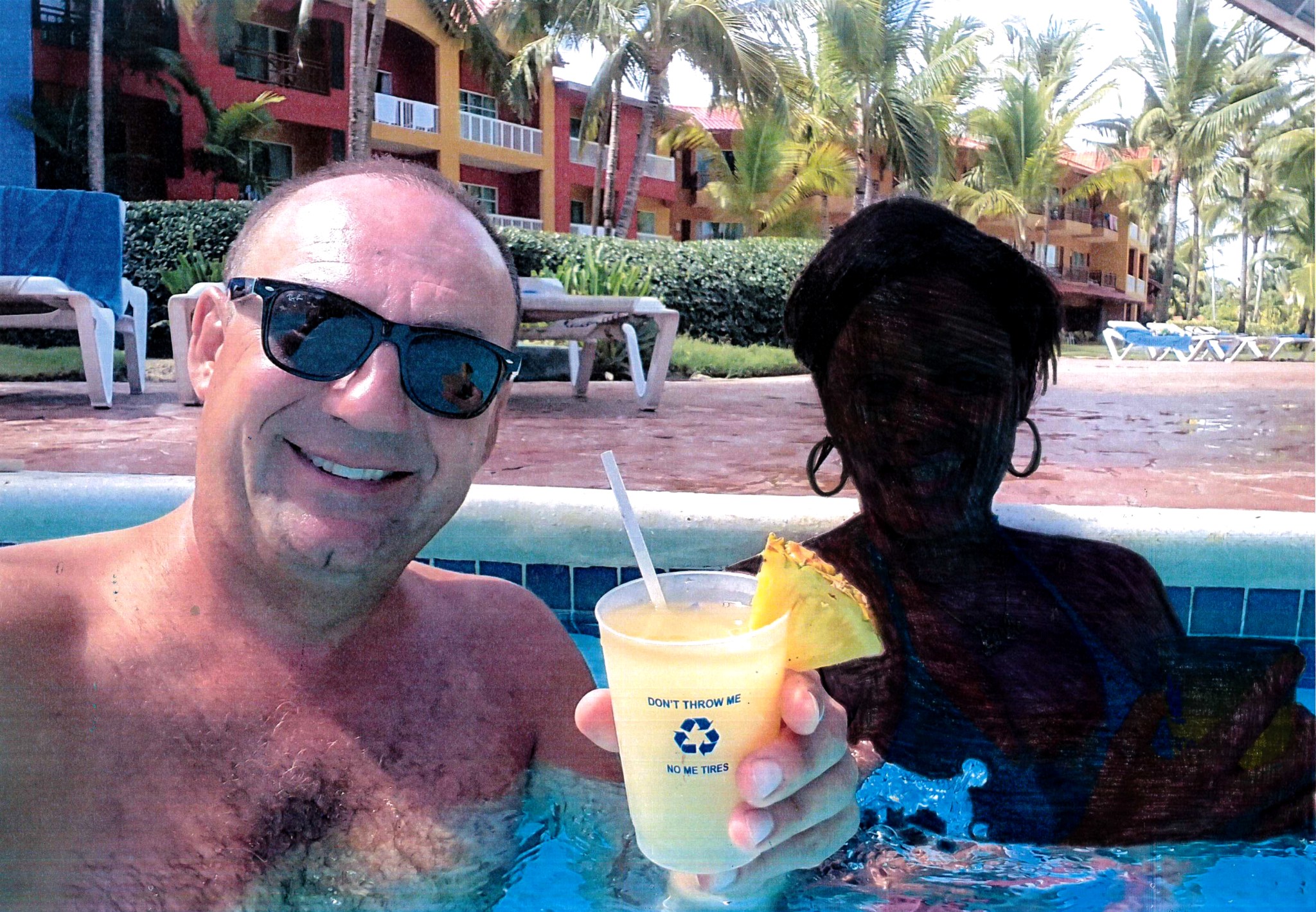
In reflection to my experiences in Haiti, I am experimenting with removing my certainties from the certainly uncertain world there! Through these image manipulations, I am questioning what is uncertain? Can the removal of certainty create anxiety of unpredictability?
My certainties are their uncertainties! I am certain of having a meal and they are never sure of what will happen; what to expect – moment after moment, day after day, year after year.
The world of certainties is totally denied to some unfortunate people, both physically, emotionally and in the sphere of dreams, aspirations and ambitions. Their focus of poverty is completely different, placed on survival rather than luxuries and unnecessary commodities. This is in contrast to the superficial and trivial obsessions of the “Western World”!
I am watching their uncertain world through the “removed” certainty on my afternoon beer.
I am staring with uncertainty at the certainty of my luxury meal. The table is set up and ready, but the food has been removed. What is on my plate, in the bowl? How am I going to satisfy my hunger for security and thirst for predictability?
Everett argues that we live in a Universe of multiple space-times and each spacetime is governed by Lorenz contraction of time (Barrett, 2011). Therefore time is perhaps the key factor, which forms our perception of certainty and uncertainty. Both feelings belong to parallel yet distinctly different worlds: prosperity and poverty; the arrogance of confidence and hesitant insecurity.
Heisenberg implies that uncertainty is often a result of a measurement (Wiseman, 2012). The act of measuring an object’s position changes its speed or vice versa. Perhaps the real origin is much deeper. The uncertainty principle exists, because everything in the Universe behaves as a particle and a wave at the same time. In quantum mechanics, the exact position and speed of an object have no meaning.
To explore this idea further and visualise this concept, I need to experiment with images by manipulating them into “behaving” simultaneously like a particle and a wave. Particles exist in a single place at any instance in time and waves are disturbances spread out in space.
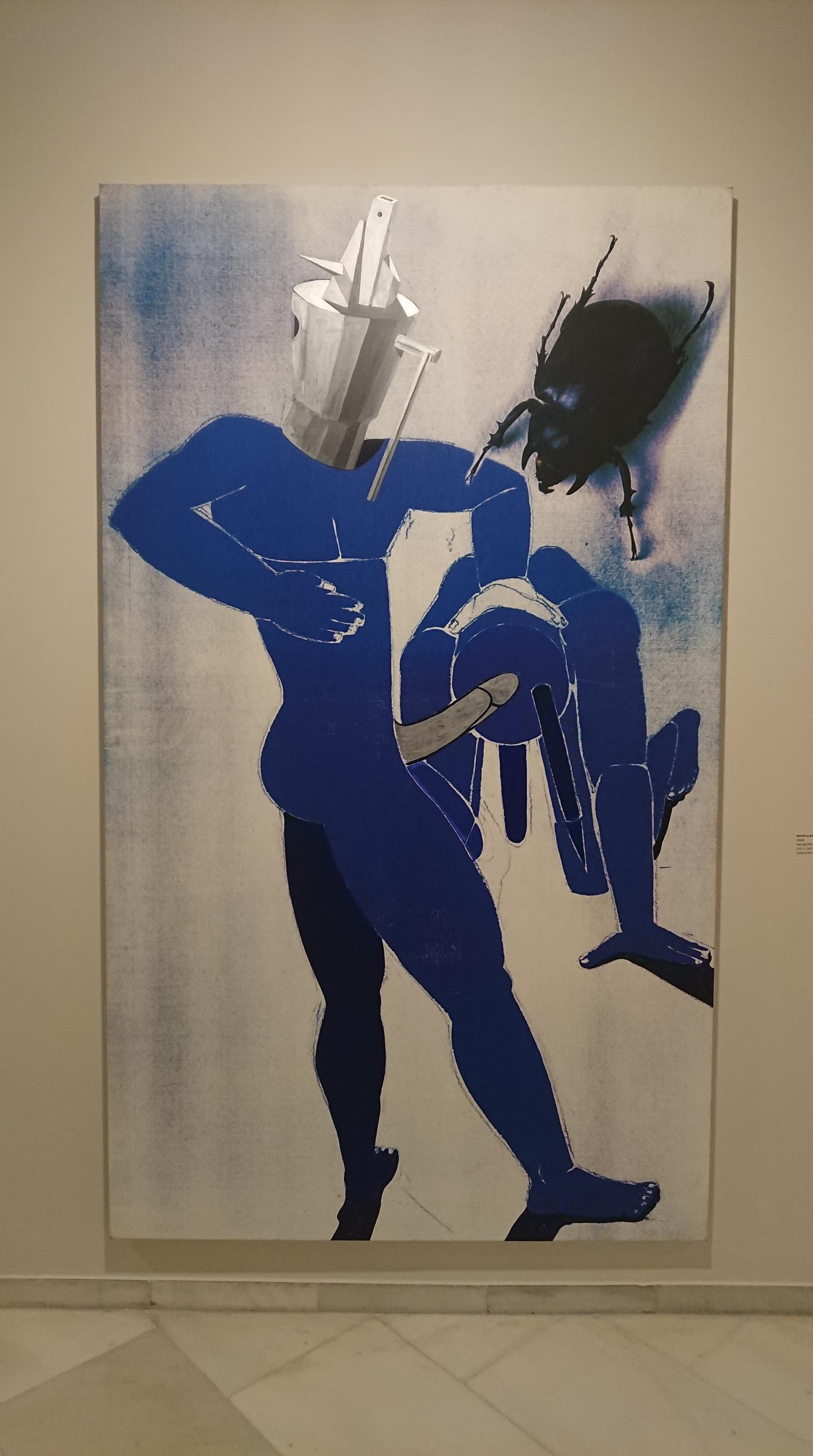
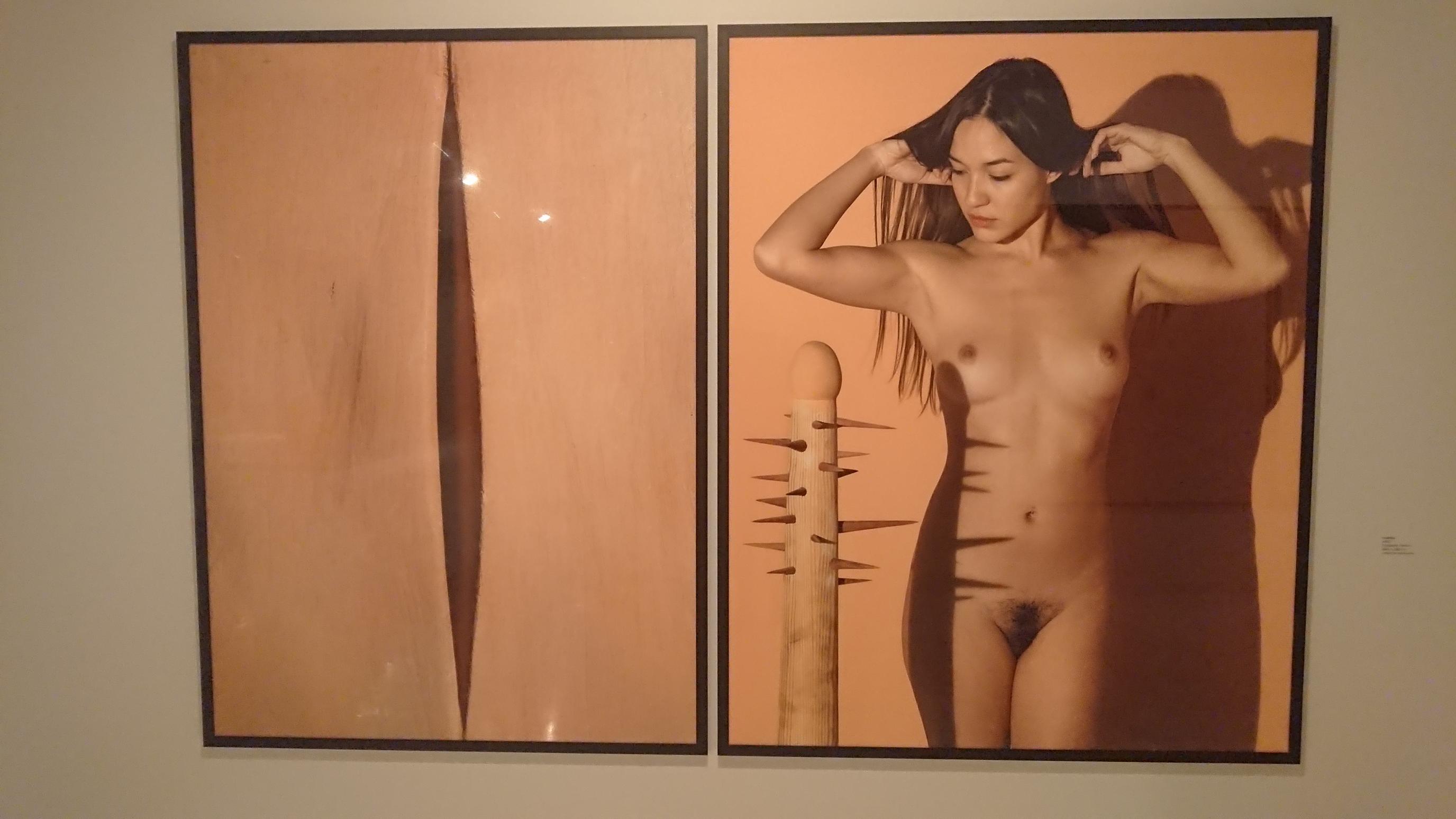
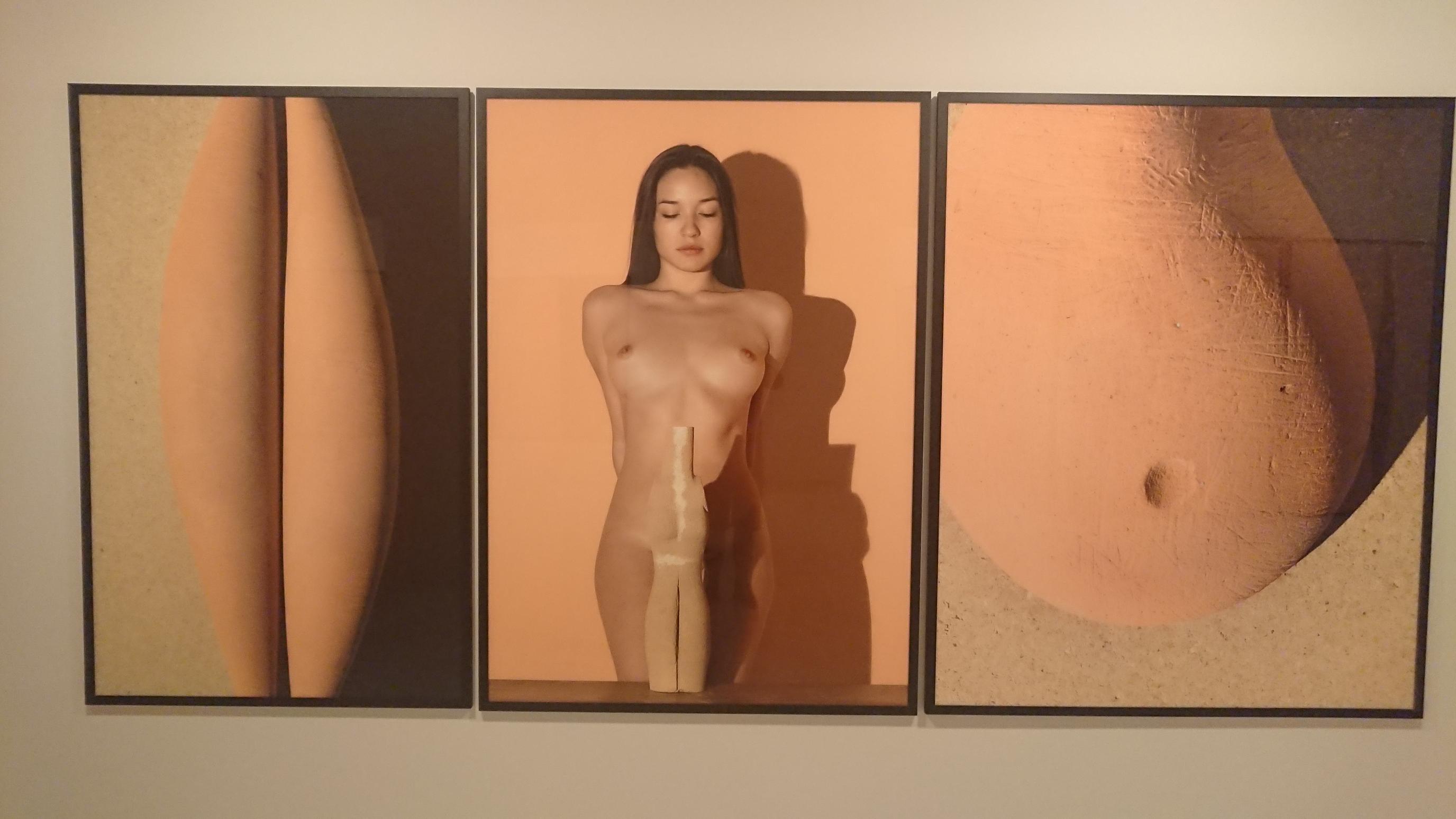
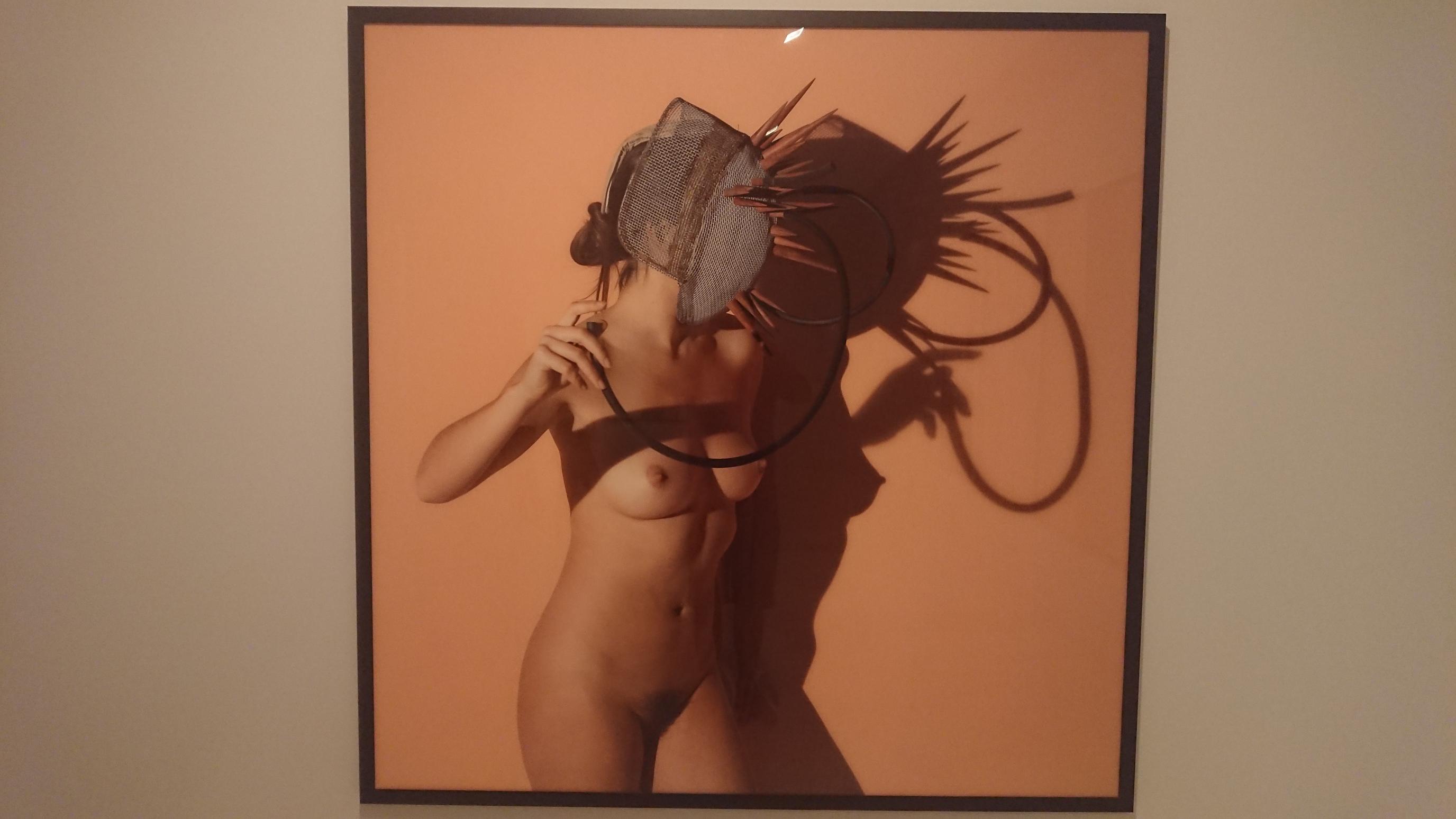















 Landy stands in front of the exhaustive catalogue of 7,227 of his belongings – in the end,all that remained was his blue boiler suit (Credit: Michael Landy/Parisa Taghizadeh)





 HYPNOTIC REPETITION