
The Influence from Kehinde Wiley

I have recently been inspired by the work of Kehinde Wiley.

http://kehindewiley.com/works/haiti/

His projects consist of a global survey of countries and their respective traditions and cultures.  He explores and investigates their socioeconomic dynamics and interdependence in the context of globalisation.  His models are random strangers, who are identified during street castings.  His bizarre, balancing on the edge of kitsch images, are a unique chronicle of life and culture, amalgamation of colour and pattern, which is juxtaposition-ed with stylised portraits.   The background repeats are created by manipulations of typical and indigenous vegetation to Haiti, such as okra and sugarcane – products, which were exploited as a cash crop during the times of mass slavery.

They are all staged, unnatural and almost suspended in vacuum.  Superficially, his oil on linen paintings appear to be of only decorative value.  Are they though?

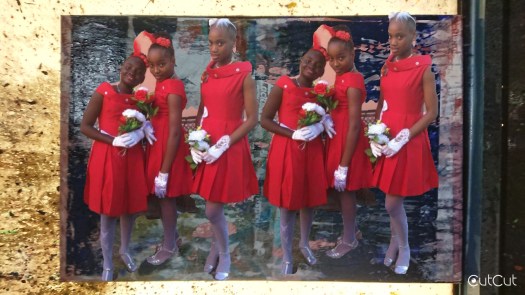
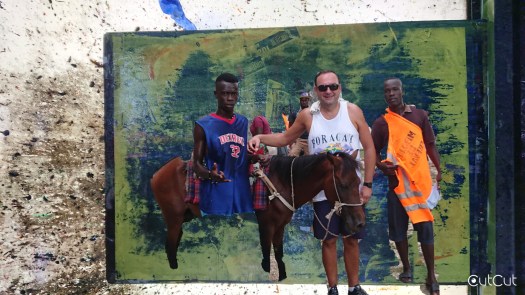
This has given me the idea of isolating individual characters from my photographic library of documentary photographs from Haiti and superimposing them with a range of painterly and printed backgrounds, which I have recently developed, including video records of blasting prints.

The three images below are my initial visual thoughts, which I am planning on developing further towards a more refined stage, possibly involving animation.  I would also like to link these ideas to my experimentation with exploring the process of waiting through a gradual appearing and disappearing of objects of need, necessity and desire.

I am considering image manipulations using Photoshop and Premier to discuss possibilities of initiating working using physical processes of painting, screen-printing and, perhaps, image transfer.

I am using an image of three  young Haitians girls, dressed up in preparation for Christmas celebrations.  They appear to look into their future with uncertainty, almost being afraid of disappointment.  The white gloves and flowers are symbolic of purity and innocence, and their eyes are full of hope.  The viever, however, immediately knows that their futures are very uncertain.

The special and theatrical clothing emphasises further the contrast between the farshness of their daily lives and the the hope and smiles on their innocent faces, just like on “Afgan Girl” photograph by Steve Mc Curry.

Image result for the afghan girl

‘Afghan Girl’ Is Arrested in Pakistan, in 1985, National Geographic Photo, Steve McCurry
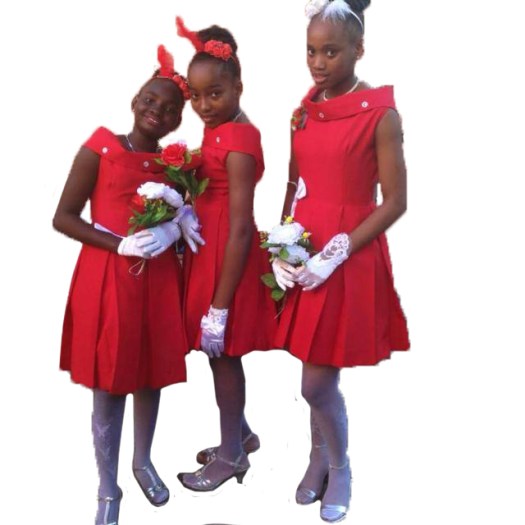
haiti girls

orphans from haiti

orphans from haiti 2

IMG_20190114_191141_0.jpg

LOUIS XIV OF FRANCE , 2014
OIL ON LINEN 60 X 48 INCHES

PORTRAIT OF DYOUANY BERETIE VERLY , 2014
OIL ON LINEN 36 X 28 INCHES

JUPITER AND THETIS , 2014
OIL ON LINEN 84 X 63 INCHES

THE MARCHIONESS OF SANTA CRUZ , 2014
OIL ON LINEN 36.5 X 72

Blasting Red

What have I actually achieved?

This is a brilliant question.

I have started to investigate my responses to waiting for change in a very uncertain world!

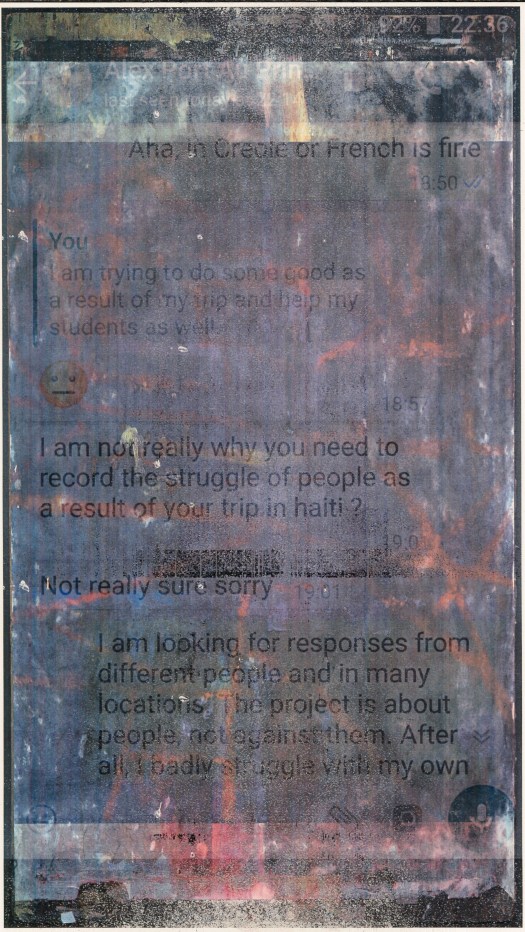
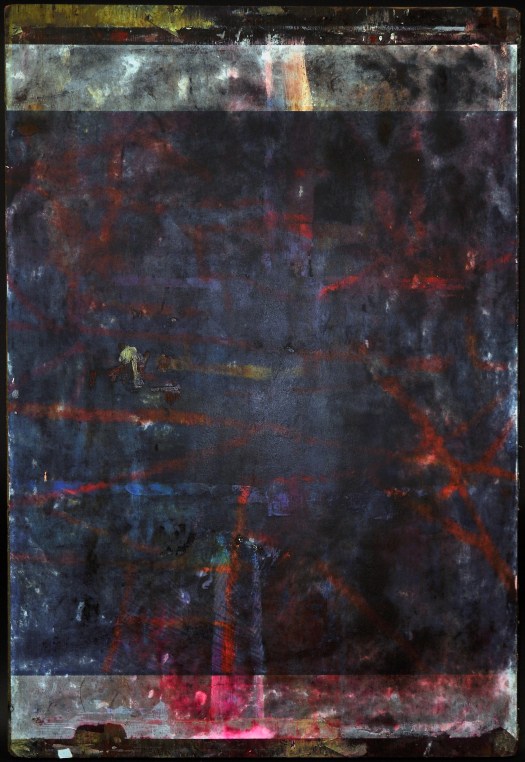
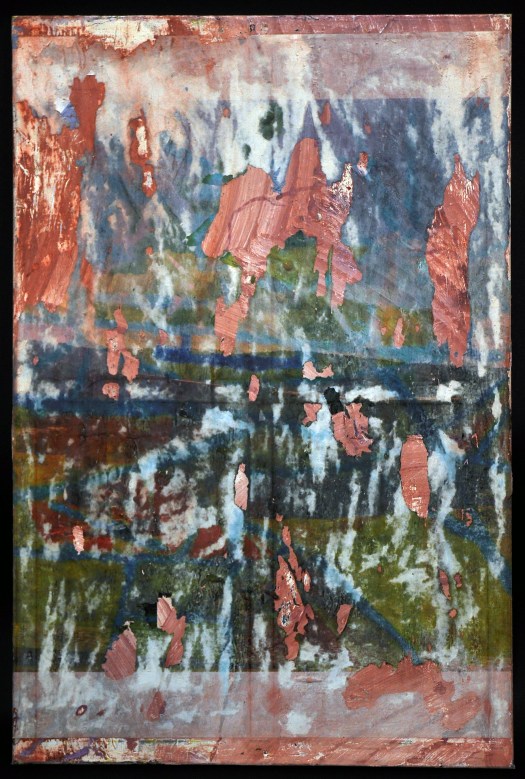
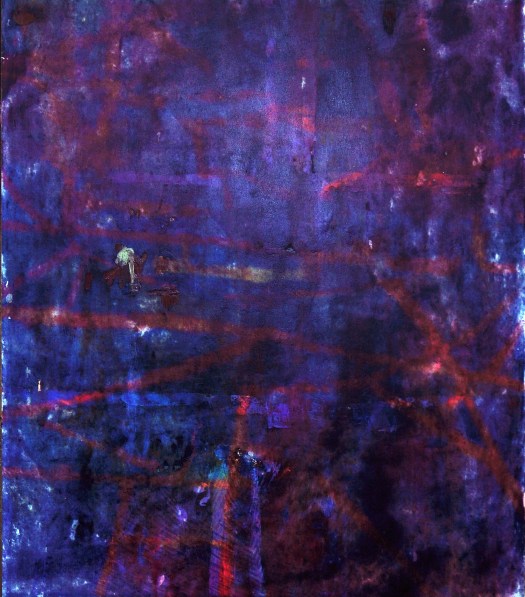
The current focus of my practice is to experiment with overprinting of painted images. Subsequently, I blast the surface of newly created and layered compositions with a powerful water jet.  The partial marks, which are left after this procedure are combined with further screen overprints.

The hope of achieving a new sense of completion is simple washed away. The repetitive character of this process makes the uncertainty physically unbearable, yet visually exciting. How far can I push this process? When will I reach the stage of exhaustion? What is the impact of colour on the overall effect?  How many layers become lost?

The more certain the moment of completion is the more uncertain I become about it.

I have also noticed that canvas is much more appropriate for technique than working on old wooden boards. There is more gentleness and grace to the printing on canvas and a sense of full interruction between individual layers. Perhaps, I should restart the entire process by creating further compositions using a really large format of canvas.

Scale here is very important. It allows for a greater degree of experimenting with an illustration of space, I creates the physicality of the working method and indicates ambition. The painterly space can be elaborated in much more detail, just like in the combination of three overprinted images below. 

I have experimented again with back lighting of the works in order to discover more sensitive detail. This process has resemblance to the forensics and x-ray techniques. Both are designed to reveal the hidden components, which can potentially affect the overall entity of the works.

The hidden qualities become exposed and elevated to a higher level of the visual hierarchy. 

I am particularly interested in the violence and brutality of the blasting process. I am also impressed by the sensitivity of response of the image to this treatment – the tears and the  dripping of the watery and semi-transparent layers of printing ink.


Making Progress With Blasting Paintings

I have just overprinted these images with yellow and than, partially, with orange.  Subsequently, all ink-work was blasted off with a jet wash.

The cold (in blue) underpainting has started to bleed through the covering layers bringing hope to of warm light.  The continuing layers indicate the experience of waiting.

Everything is wet, smudged and dribbling with diluted ink.

Blasting of Paintings 3

I have become very intrigued by the process of overprinting a painterly background.  Screen printing technique allows me to manipulate the matrix in order to control both the creation of a new composition and the meaning achieved.  This is done through repetition and the choice of colours in relation to the background as well as the other prints in the existing superimposure.

This effect if subsequently manipulated further through water jet washing and blasting of the wet overprints.  This process gives me much less control.  It is quite violent and spontaneous. The ink splashes all over the spray booth.  Additionally, a range of further effects are achieved through dripping of water and the position of the actual painting during the drying stage.

My creative intention is to continue with this process until I reach the anticipated level of complexity and interaction between individual layers.

As stated in my project proposal, my aim is to discuss the dynamics of a period of 60 seconds of waiting for something to change and happen.  Perhaps, I will try to repeat this process 60 times. The supposedly pointless process of over printing and blasting away with a water jet.  I feel like I am making progress in terms of establishing a framework for the creative process and also with my methodology.

Sixty interventions and “changes” to the image, which are erased as if nothing has ever happened. The memory of the surface implies something different.  Sensitivity of marks and subtlety of this process is something I would like to explore further.


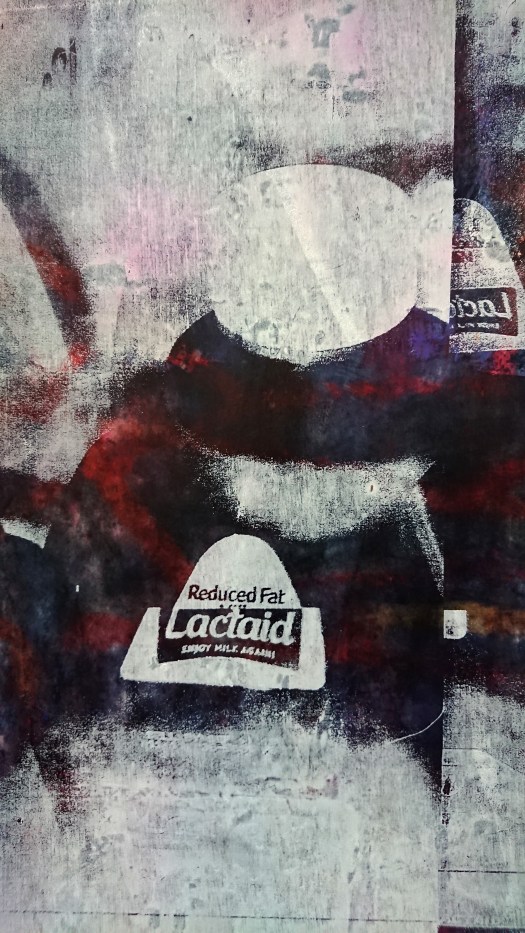
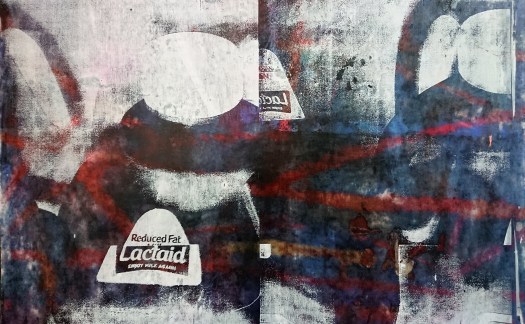
Dreaming About A Bottle of Milk

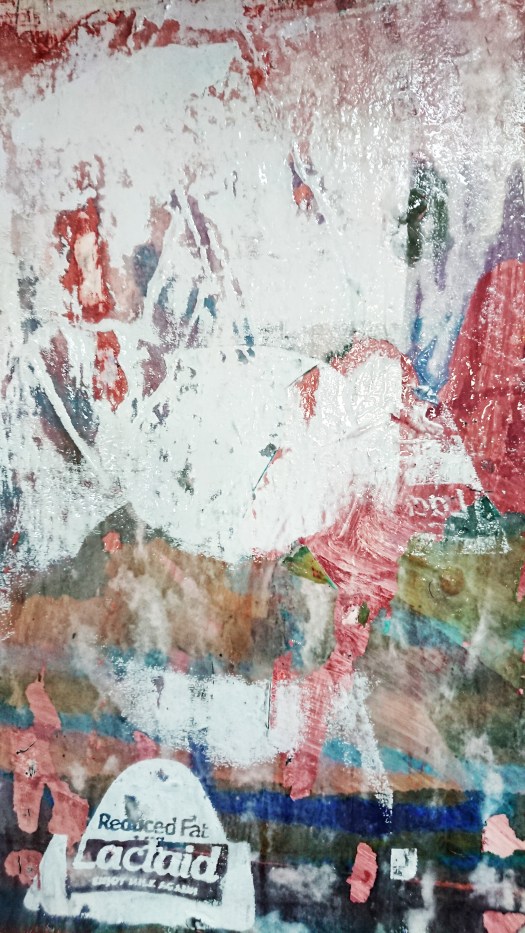
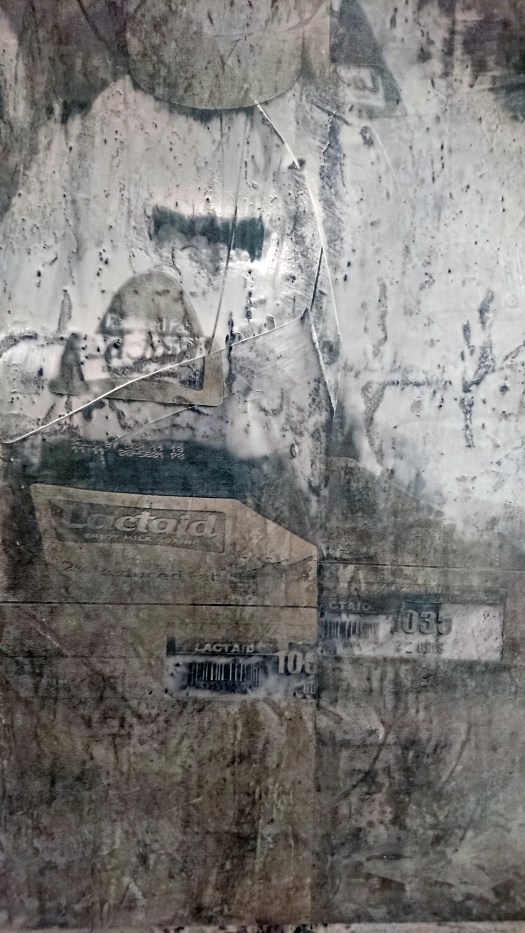
The idea for this type of experimentation came through attempting to portray and question the cost of a bottle of milk in Haiti.

4-pint bottle of milk = $16

Average daily family income = $1

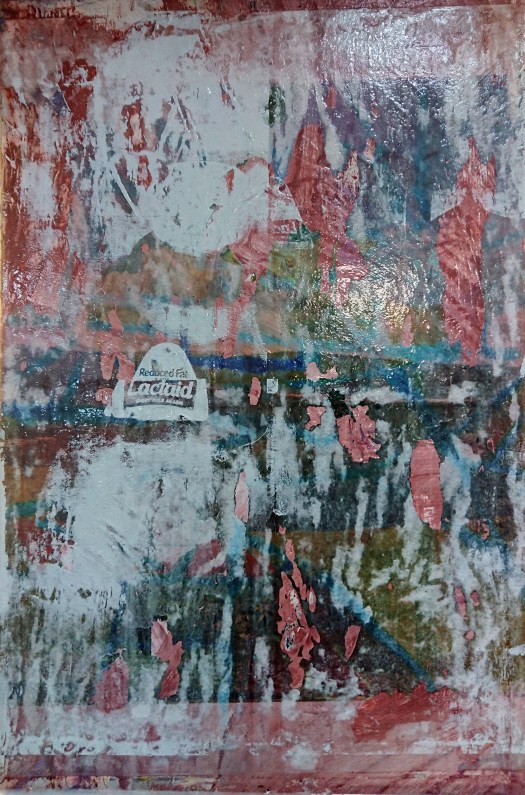
I have substantially enlarged images of a milk bottle from a supermarket in Petion Ville (expensive district just outside Port-au-Prince).  These enlargements were later manipulated and collaged to create an A1 size silk screen.

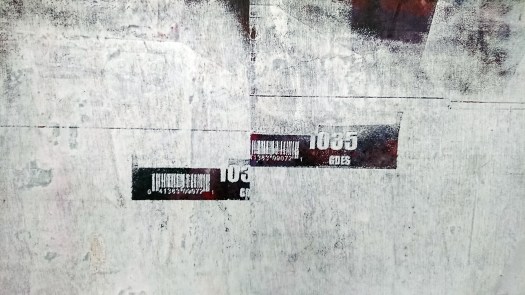
When photographing images on the surface of the screen, I was trying to capture their ghostly and ephemeral feel.  I experimented with back lighting in order to make them look very airy, distant and cloud like. My creative intention was to use these effects as a metaphor for the affordability of this basic product, which is totally out of reach for the typical family.

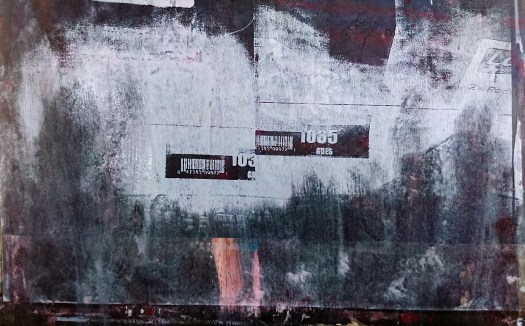
The dragging of the ink across the surface of the screen implies the brutality and harshness of existence.  The colours are distant and have non-physical properties.  They appear to be out there, far beyond being touchable and obtainable.

Furthermore, the process of screen printing is alternated with pressure hosing of newly developed images.  They are simply washed and blasted away, just before they are given a chance to dry, become permanent and materialise.

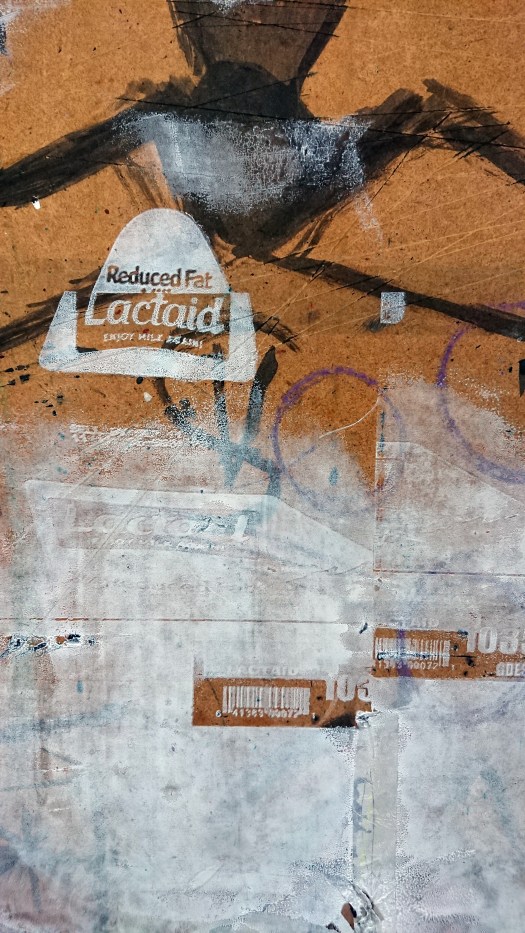
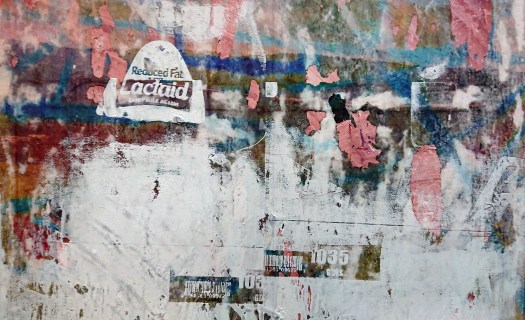
My intention was to replicate the process of repetition of slave- like labour – despite all efforts – there is no outcome, no change and no improvement.  Purely, a visual and non-descriptive example of Sisyphus works.  The work is abstract and the only recognisable element is the partially remaining milk label.

The white ink resembles the milk itself.  The blue creates a sense of distance.  The creases and textures visualise the hardship.  There is also a bizarre similarity to water marks on bank notes.  Finally, the use of bar-codes indicates accountability and commercialisation of our contemporary existence.

I would like to continue with this process of experimentation and sandwiching further layers of print and colour. I will also repeatedly wash them off the surface.  I am curious about the extent and stretching of this process.

DSC_0059

DSC_0079

DSCPDC_0003_BURST20181214152508985_COVERDSC_0050DSC_0052DSC_0049

Waiting For Something To Happen.

I have made further progress with proposals for the last two seconds: 7 & 8.

While layering image transfers and varnishing surfaces in-between with watered down PVA glue, I have developed the idea of continuously applying 60 layers of related imagery onto the surface while thoroughly documenting each stage.  Some intervals are going to be, perhaps, developed further through the use of video and blending.

I have also recently received a bizarre and laconic sound message. The idea is to use this recording as audio track to support those experimentations.

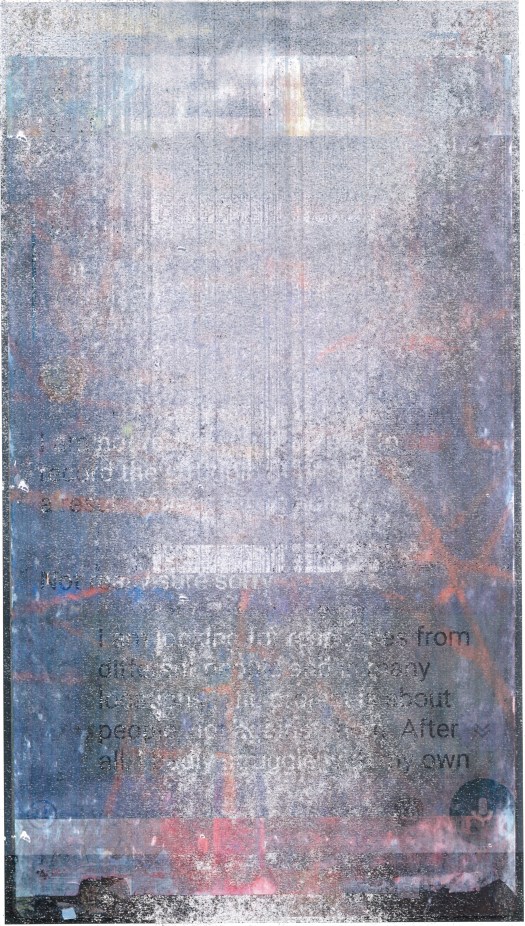
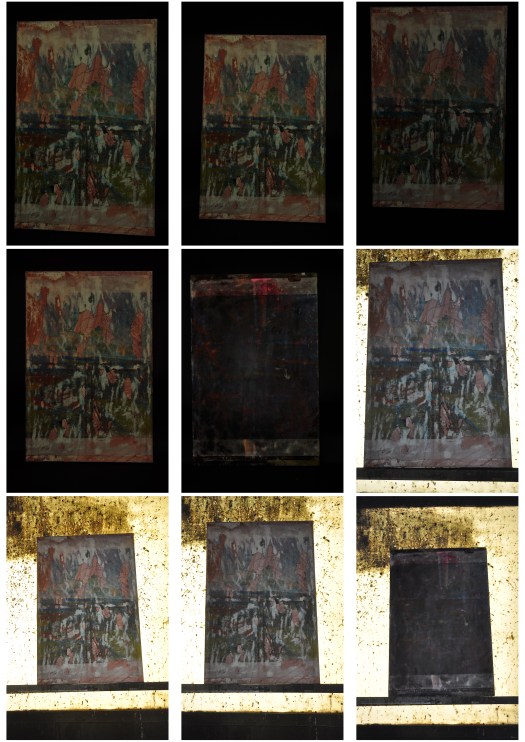
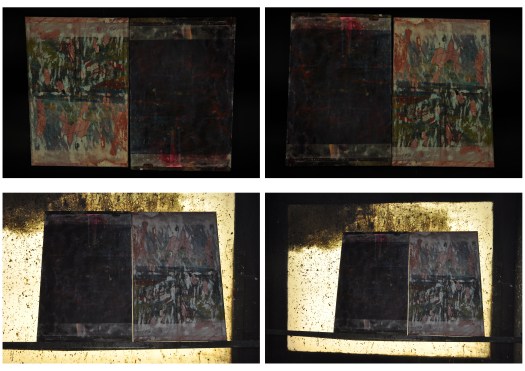
Photographing the work below was not easy.  I had to experiment with several lighting techniques, while documenting the work in progress in the photographic studio.

There are some contact sheets below, which visualise the entire process.

60 seconds equals 60 layers – only 1 minute of waiting. Waiting is used as a metaphor here. The person who is waiting and trapped in the sphere of dreams and hopes is very predictable and safe. Action and response are much more dangerous. They both require bravery and facing failure and disappointment. They require ideas and energy.

Waiting is the new state of being. Waiting for something to happen and change life for better. Waiting, which is passive and effortless, withdrawn; dreaming about change.

On the other hand, waiting can be associated with emotional destress and boredom. This, in turn, can lead to a life of  crime and deviation. When one waits for too long, greed becomes the only option and the ultimate desire.

7&8 27&8 1

7&8.jpg


Seconds 7 & 8.

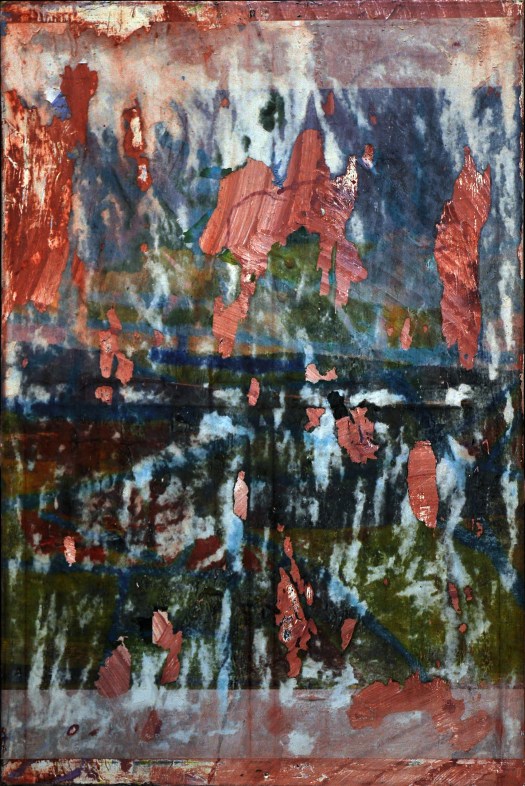
I have tried to document the process of developing a set of recent painting ideas for seconds 7 and 8.  I have experimented with layering and using a large number of glazes, robbings and image transfers.  The main focus is on the revealing and distracting the surface in order to achieve an incredible depth to the hue of colours, which sound with harmonious melody.  I will continue to update this post as new developments take place in terms of making progress with the act of painting and discussing my concepts further, using video manipulations and editing.