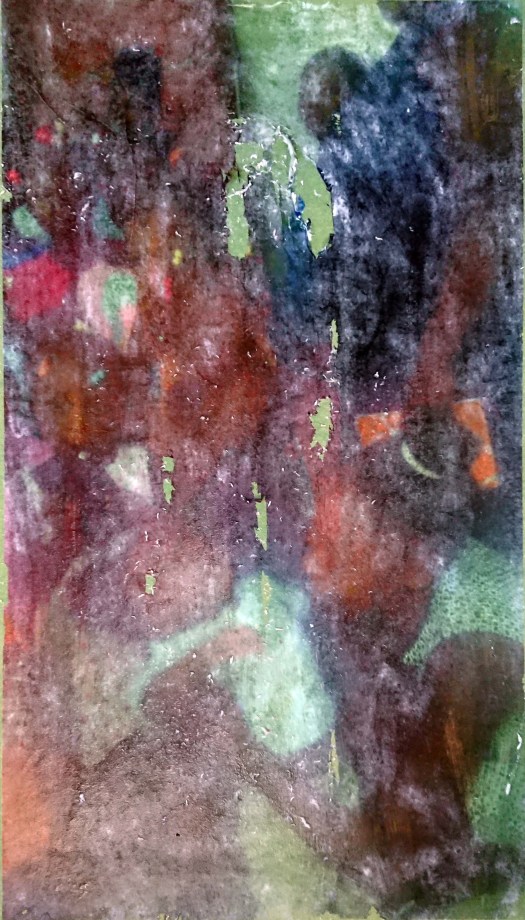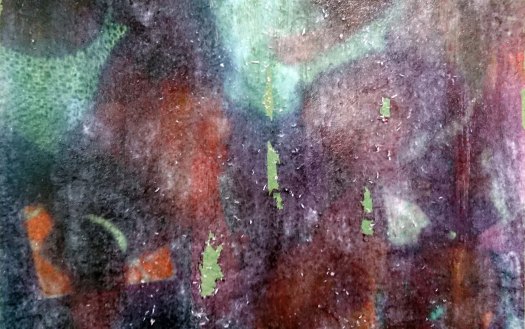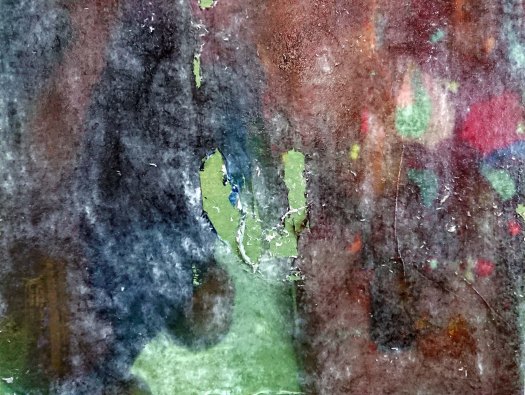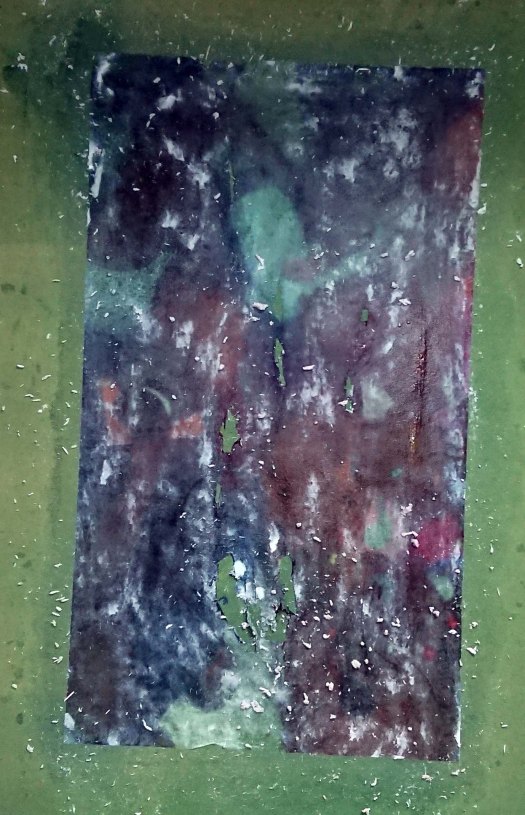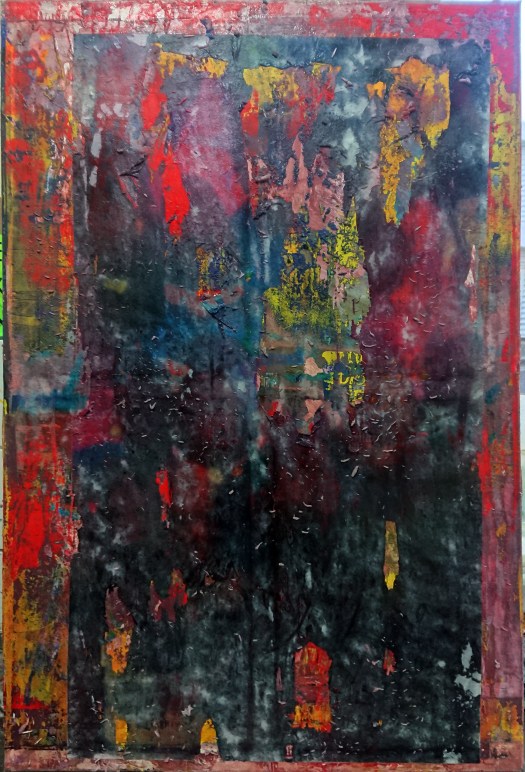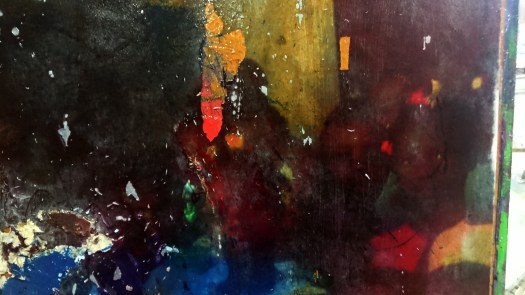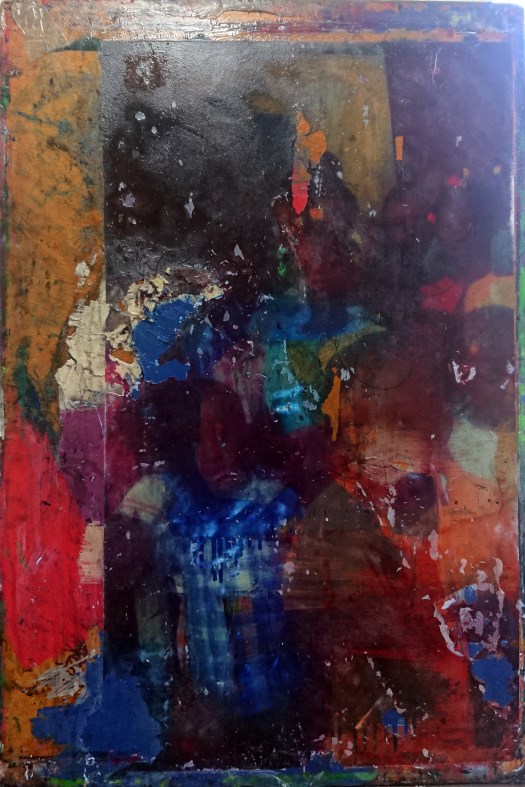

Little Fragile Dreams.

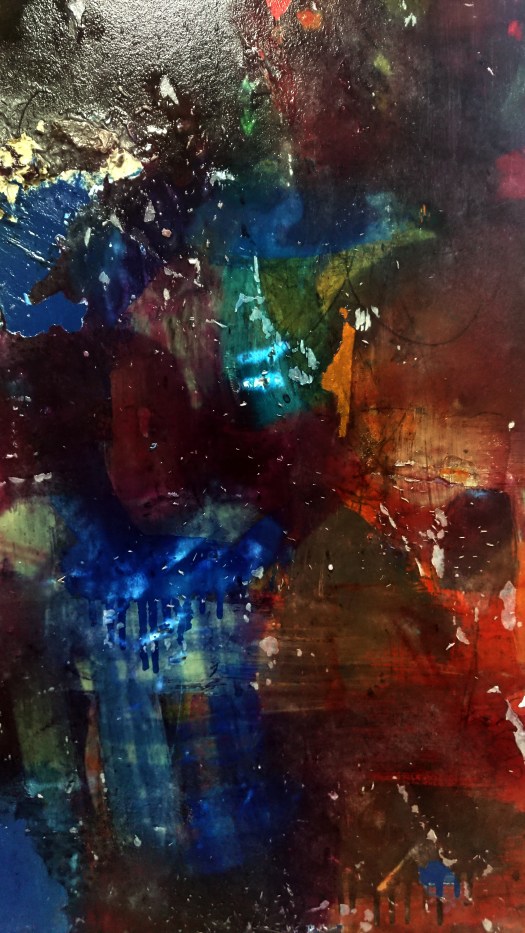
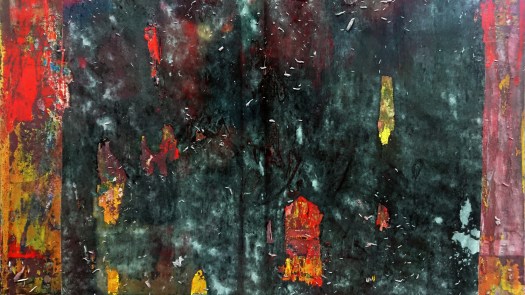
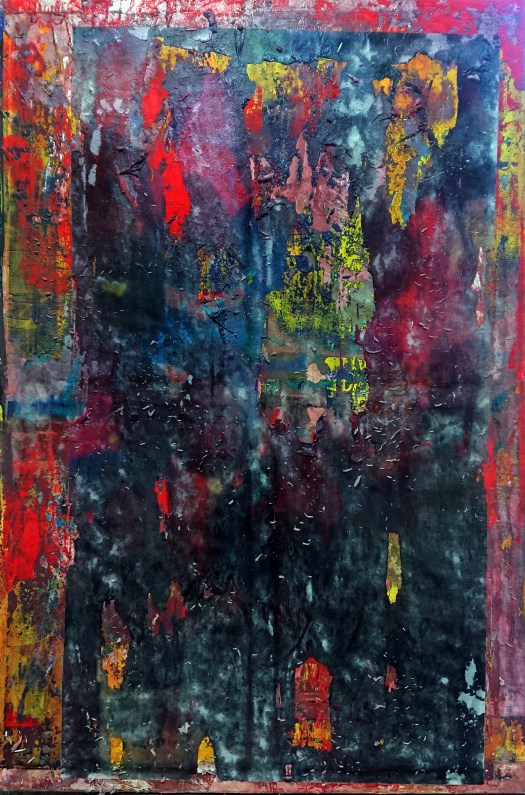
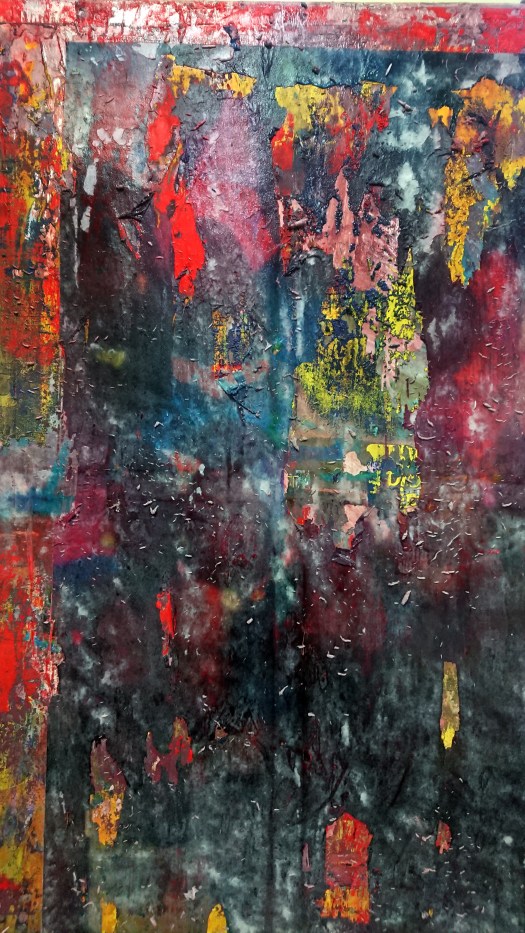
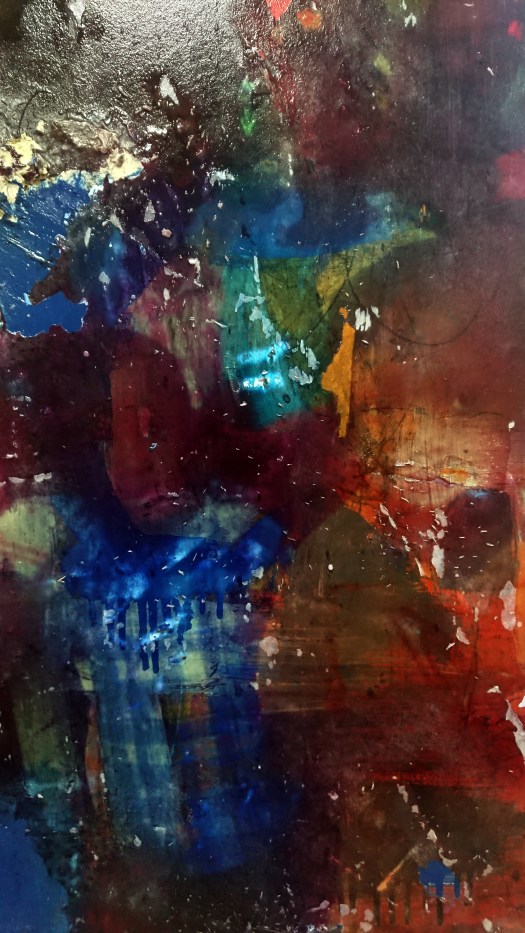
Memories from a horrific bus journey between La Caye and Jacmel have given me ideas for another painting in this series.  Perhaps, I will reveal the background story for this piece, when I am closer to its completion.

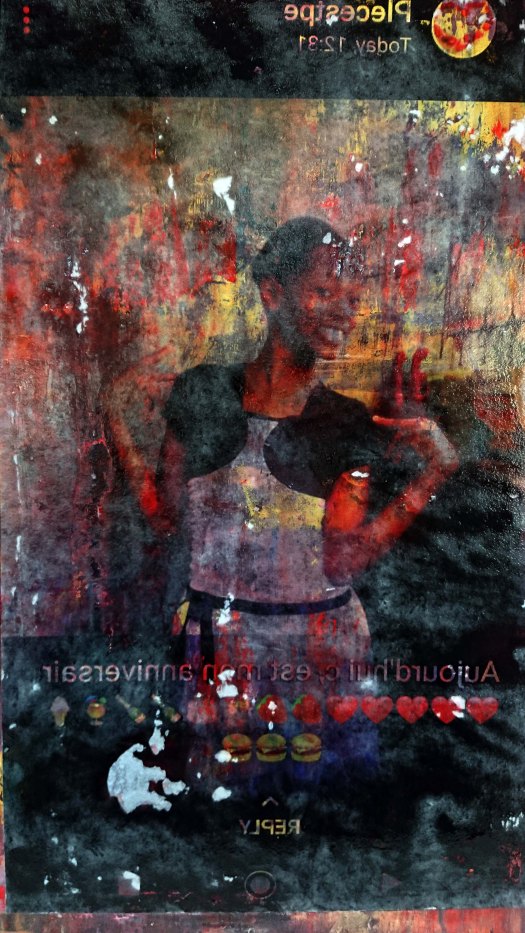
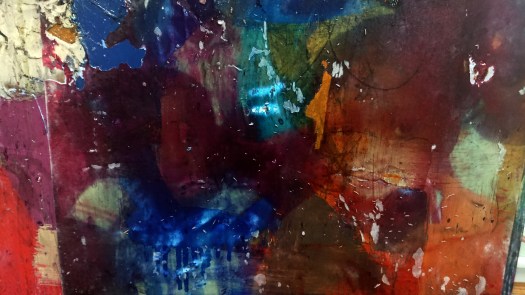
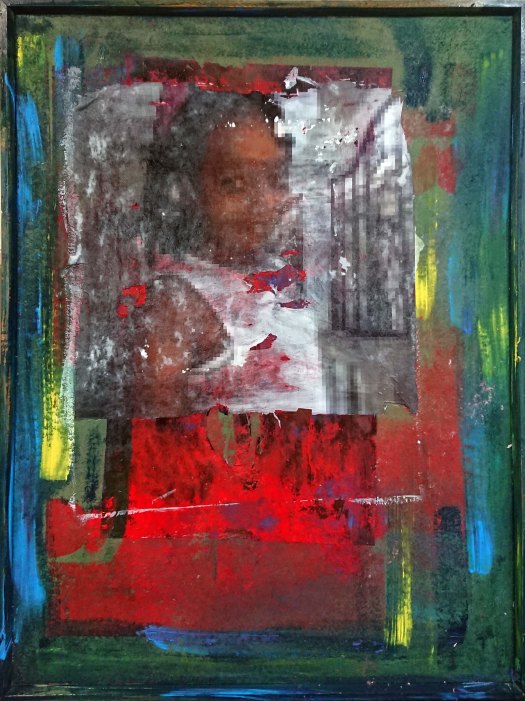
I have initiated the process by working on an under image.  This was then combined with a range of over layers and an ambiguous reflection of a little girl seen through a bus window. For this type of experimentation, I have recycled an old display board, which was covered with green felt.  Subsequently, I started with some expressive colour application to the underpainting.  This has been in turn over-printed with an A1 size screen of a $16 milk bottle.  This is used metaphorically and symbolises how unobtainable this everyday food product is.  I just cannot imagine never tasting milk!

The current tonation of the piece is vibrant and dramatic.  My creative intention was to create a clash between the background composition and a suggested image of a distant and emotionless child.

The next phase will involve layers of overprints, which are subsequently blasted off with a powerful water jet.  I would like to achieve a greater degree of mixing of layers and blending of individual colour ranges to increase the overall visual complexity of this piece.

What is distracting me at the moment is the purity of colour, which stands out too much and disturbs the overall mood of the image.  I would also like to develop a greater sensitivity of colour.  This should help to make the painting more holistic and melancholic.  Perhaps, I should initiate a further experimentation with glazing and staining the image to increase the role of elements of aging and broken textures.

The image of the girl needs to behave as a distant reflection in the surface, almost with qualities of al fresco.  For some strange reason, ‘The Little Girl’ has some resemblance to Mona Lisa.  This similarity is not intentional though.

Da Vinci, (1503) “Mona Lisa” in The Independent, Farrell, J. (2017)

Ideally, I would like to develop this piece further before the start of Low Residency.

The plan is to proceed with overprinting the existing composition with a range of oranges.  This is to age and patinate the piece and, more importantly, represent powerful and distorting reflections of the hot sun in the translucent glass.

This is what I recorded in my original observations in Haiti.
 

DSC_0293DSC_0294


What Are You Waiting For?

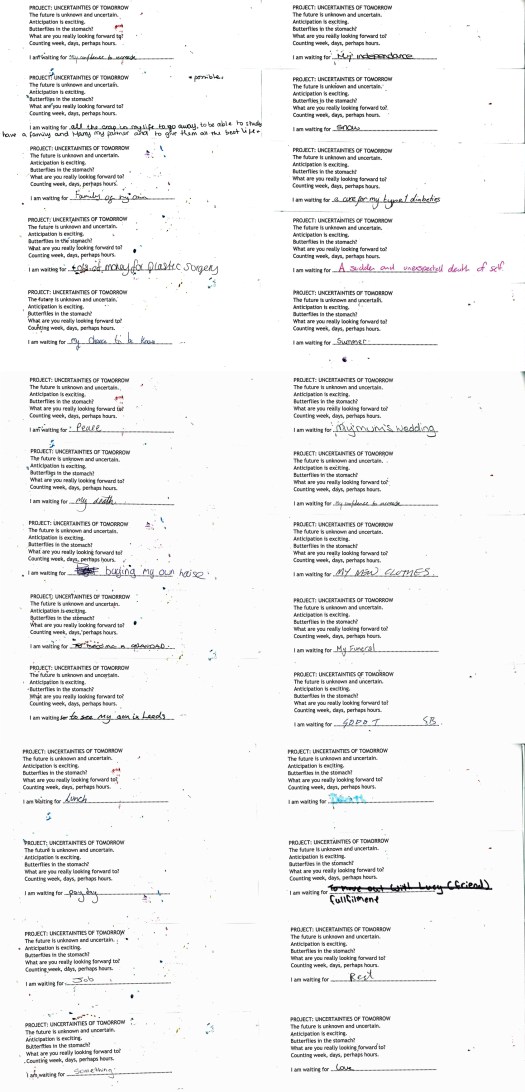
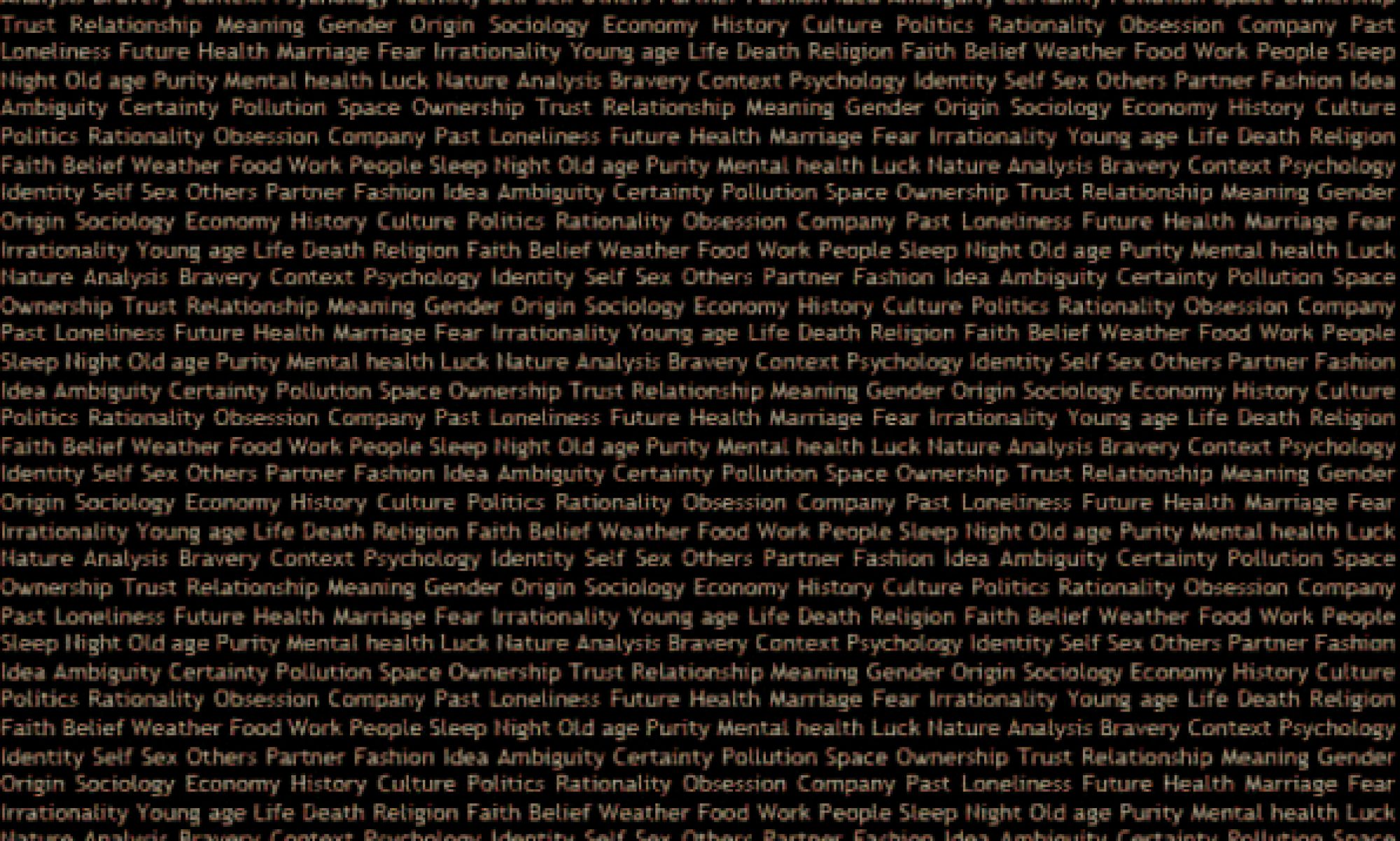
I have done some research with a group of my Foundation Art students. Their ages, backgrounds and life experiences vary substantially.  Following a group introduction and a talk, which outlined the necessity to deeply analyse ‘self’ in the context of the broader needs before formulating and recording key ideas on a slip of paper, which was provided and supported with a number of prompts.

Students’ responses were very original.  They varied from trivial to sophisticated, reflective and meaningful.  I have experimented with the organisation of their responses by combining individual pieces of paper to create a long and vertical format of continuous answers.  This was less effective than the proposal with a looped animation.

I have also tried to explore possibilities for animating their responses using Photoshop.  Initially, all litte slips of paper were scanned and than displayed as a stop frame animation.

I am waiting for.JPG

Blasting “Simply Kids”

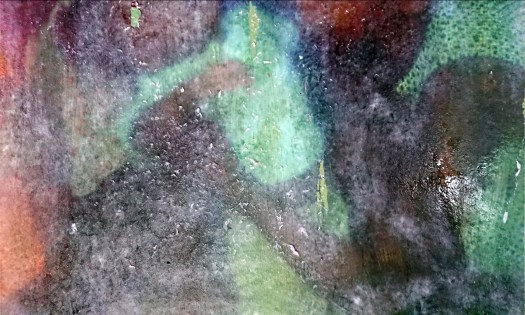
The large, fleece covered board has not worked at all.  It soaked, bowed and twisted. Additionally, the image did not transfer well on the fluffy surface of the fabric.  I had to reevaluate and decided to use overprinting in a variety of contrasting yet harmonious colours. This has worked much better.  When I started to blast the image with a pressure washer, the ink run down to discolour the fabric and covered the hideous green frame.  I started to alternate printing with painting, image transfer, collaging cutt out photos and pasting them on top of the already complex and sophisticated surface of images and washes; all sandwiched together, coherent, layered and increasently  heavily textured.

Yesterday evening, having reflected on the painting process, I considered a range of alternatives. Through brainstorming, I developed a plan to enhance this composition with a central collage using a photo of a Haitian child.  I immediately started to overprint the existing composition before blasting it again and over again.

I am so intrigued by the complexity of this process and the value of the accidental mark, which can be achieved through this type of experimental printmaking. I continue to search for visual sensitivity, which is valued and treasured.

Ultimately, my creative intention is to communicate that we are all waiting for change, for this special moment , which has the potential to improve prospects for the future.

Noone wants to be uncertain of tomorrow.

Certainty is much more valued and treasured! Certainty is secure and safe.

Does it exist though?


Begging Children

The main concept, which I am attempting to explore and communicate is the idea of hope.  A glimpse of excitement, which has the possibility of changing everything.  It is not really important, if it results in an improvement or a decline.  The change itself  is of value here, as the presence and the past have been fully rejected.

My focus is entirely placed on the depth of colour of a painterly expression and the dreamy qualities of the layers, their transparency and, almost hypnotising,  vibrancy.  Images of the children are purposefully hardly visible, hidden and camouflaged in the complexity of the composition.  They partially resemble reflections and are intended to appear ghostly.  What is also important is the breaking up and crumbling of the surface.  No-one is really certain what is out there – perhaps simply nothing.

There are reflections and sparks of light, full of secrecy and mystery, almost mystical in character. There is a wide range of bustling questions in my mind.  During the panting process my eyes have begun nervously moving around the composition without acknowledging any breathing spaces to stop and rest while trying to understand the value and meaningful the composition. The memories from Haiti have suddenly become much more vivid, intense and clear.  My heart filled with uncertainty,  nervousness and fear.

What is afoot? What will happen?  Is change imminent?

The character in my work are not here nor there…they are again suspended in the vacuum of waiting with uncertainty of tomorrow…

99988877766655544422100101102111333

Girls in Red

Following my reflection on the most recent tutorial with Jonathan, I have drawn a plan of making progress through an introduction of a variety of quality improvements.  The essence of my work is in its meaning and the visual communication of my creative intentions.

Everyone is waiting for something!!!

I have initiated the process of experimentation with image transfer and painting.  The intentional breaking of the overlay creates a sensitive and gentle quality through making the work feel and look more painterly.  The top layers form a very fascinating “painterly matter” and open new opportunities for further work.  I will update this post with additional developments as I progress with screen printing and blasting of images.

The other idea is to start to differentiate on the size and format of the work and explore possibilities for combining smaller images to increase the volume of the overall composition.

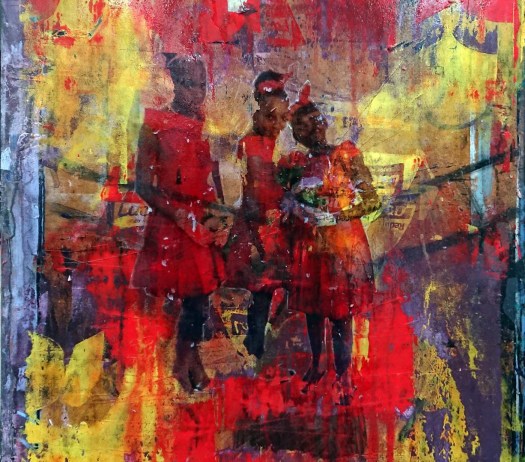
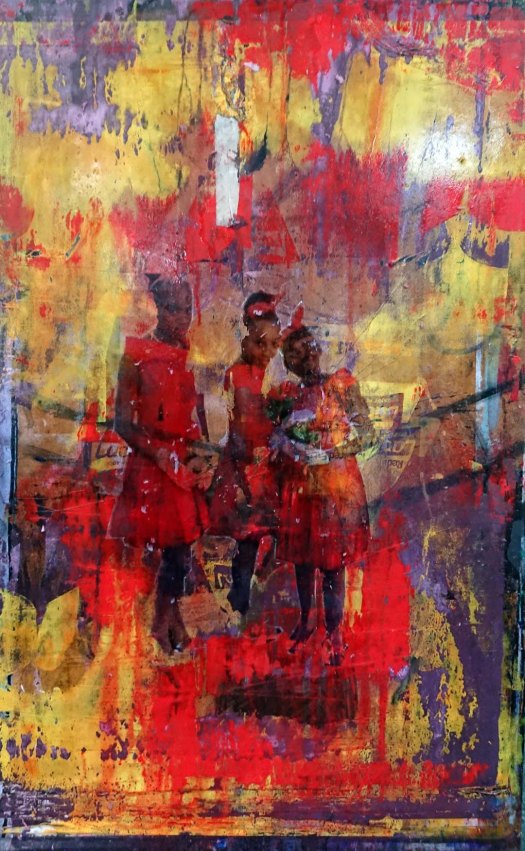
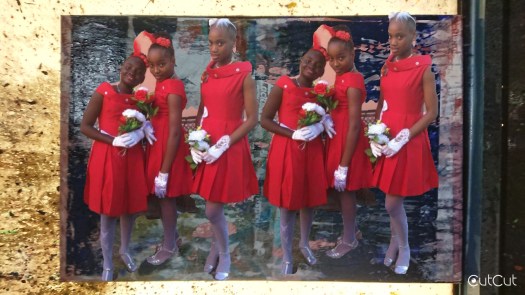
My main focus here was to create a sense of being “suspended in vacuum” while waiting for change. This develops a form of tension and drama.  The colour is dynamic and full of expressive turbulence. The faces of the girls are somehow twisted and deformed.  The logo element of underlay and the text, add a sense of unreality by making the composition ambiguous and opened to interpretation. The flowers, symbolic of celebration, can be used as a reward for acting as a change agent, giving hope and enabling positive prospects in life.

haiti111haiti222haiti333

The Influence from Kehinde Wiley

I have recently been inspired by the work of Kehinde Wiley.

http://kehindewiley.com/works/haiti/

His projects consist of a global survey of countries and their respective traditions and cultures.  He explores and investigates their socioeconomic dynamics and interdependence in the context of globalisation.  His models are random strangers, who are identified during street castings.  His bizarre, balancing on the edge of kitsch images, are a unique chronicle of life and culture, amalgamation of colour and pattern, which is juxtaposition-ed with stylised portraits.   The background repeats are created by manipulations of typical and indigenous vegetation to Haiti, such as okra and sugarcane – products, which were exploited as a cash crop during the times of mass slavery.

They are all staged, unnatural and almost suspended in vacuum.  Superficially, his oil on linen paintings appear to be of only decorative value.  Are they though?

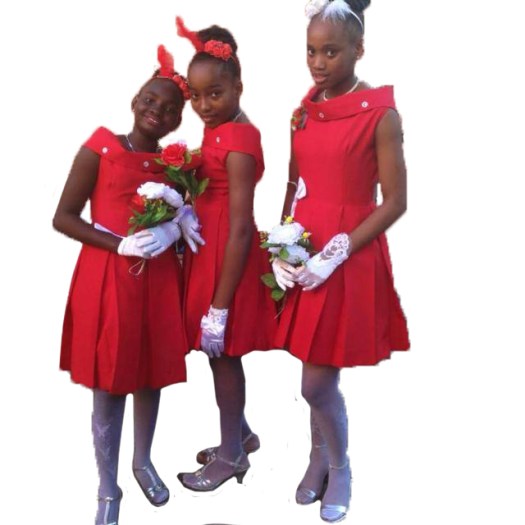
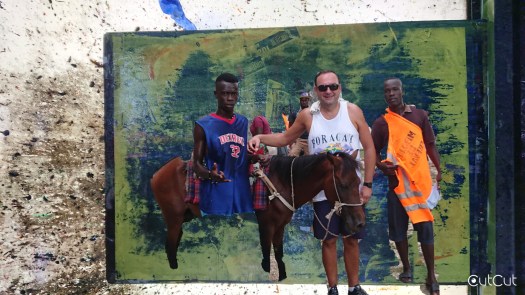
This has given me the idea of isolating individual characters from my photographic library of documentary photographs from Haiti and superimposing them with a range of painterly and printed backgrounds, which I have recently developed, including video records of blasting prints.

The three images below are my initial visual thoughts, which I am planning on developing further towards a more refined stage, possibly involving animation.  I would also like to link these ideas to my experimentation with exploring the process of waiting through a gradual appearing and disappearing of objects of need, necessity and desire.

I am considering image manipulations using Photoshop and Premier to discuss possibilities of initiating working using physical processes of painting, screen-printing and, perhaps, image transfer.

I am using an image of three  young Haitians girls, dressed up in preparation for Christmas celebrations.  They appear to look into their future with uncertainty, almost being afraid of disappointment.  The white gloves and flowers are symbolic of purity and innocence, and their eyes are full of hope.  The viever, however, immediately knows that their futures are very uncertain.

The special and theatrical clothing emphasises further the contrast between the farshness of their daily lives and the the hope and smiles on their innocent faces, just like on “Afgan Girl” photograph by Steve Mc Curry.

Image result for the afghan girl

‘Afghan Girl’ Is Arrested in Pakistan, in 1985, National Geographic Photo, Steve McCurry

haiti girls

orphans from haiti

orphans from haiti 2

IMG_20190114_191141_0.jpg

LOUIS XIV OF FRANCE , 2014
OIL ON LINEN 60 X 48 INCHES

PORTRAIT OF DYOUANY BERETIE VERLY , 2014
OIL ON LINEN 36 X 28 INCHES

JUPITER AND THETIS , 2014
OIL ON LINEN 84 X 63 INCHES

THE MARCHIONESS OF SANTA CRUZ , 2014
OIL ON LINEN 36.5 X 72

Blasting Red

What have I actually achieved?

This is a brilliant question.

I have started to investigate my responses to waiting for change in a very uncertain world!

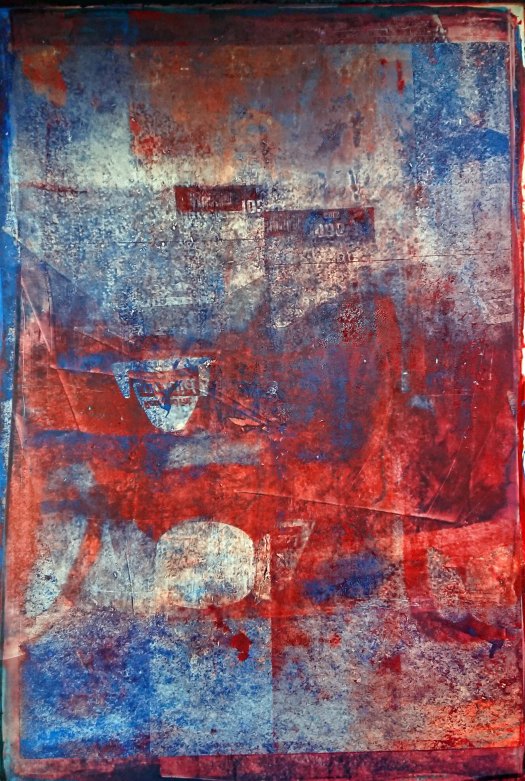
The current focus of my practice is to experiment with overprinting of painted images. Subsequently, I blast the surface of newly created and layered compositions with a powerful water jet.  The partial marks, which are left after this procedure are combined with further screen overprints.

The hope of achieving a new sense of completion is simple washed away. The repetitive character of this process makes the uncertainty physically unbearable, yet visually exciting. How far can I push this process? When will I reach the stage of exhaustion? What is the impact of colour on the overall effect?  How many layers become lost?

The more certain the moment of completion is the more uncertain I become about it.

I have also noticed that canvas is much more appropriate for technique than working on old wooden boards. There is more gentleness and grace to the printing on canvas and a sense of full interruction between individual layers. Perhaps, I should restart the entire process by creating further compositions using a really large format of canvas.

Scale here is very important. It allows for a greater degree of experimenting with an illustration of space, I creates the physicality of the working method and indicates ambition. The painterly space can be elaborated in much more detail, just like in the combination of three overprinted images below. 

I have experimented again with back lighting of the works in order to discover more sensitive detail. This process has resemblance to the forensics and x-ray techniques. Both are designed to reveal the hidden components, which can potentially affect the overall entity of the works.

The hidden qualities become exposed and elevated to a higher level of the visual hierarchy. 

I am particularly interested in the violence and brutality of the blasting process. I am also impressed by the sensitivity of response of the image to this treatment – the tears and the  dripping of the watery and semi-transparent layers of printing ink.