Spin!

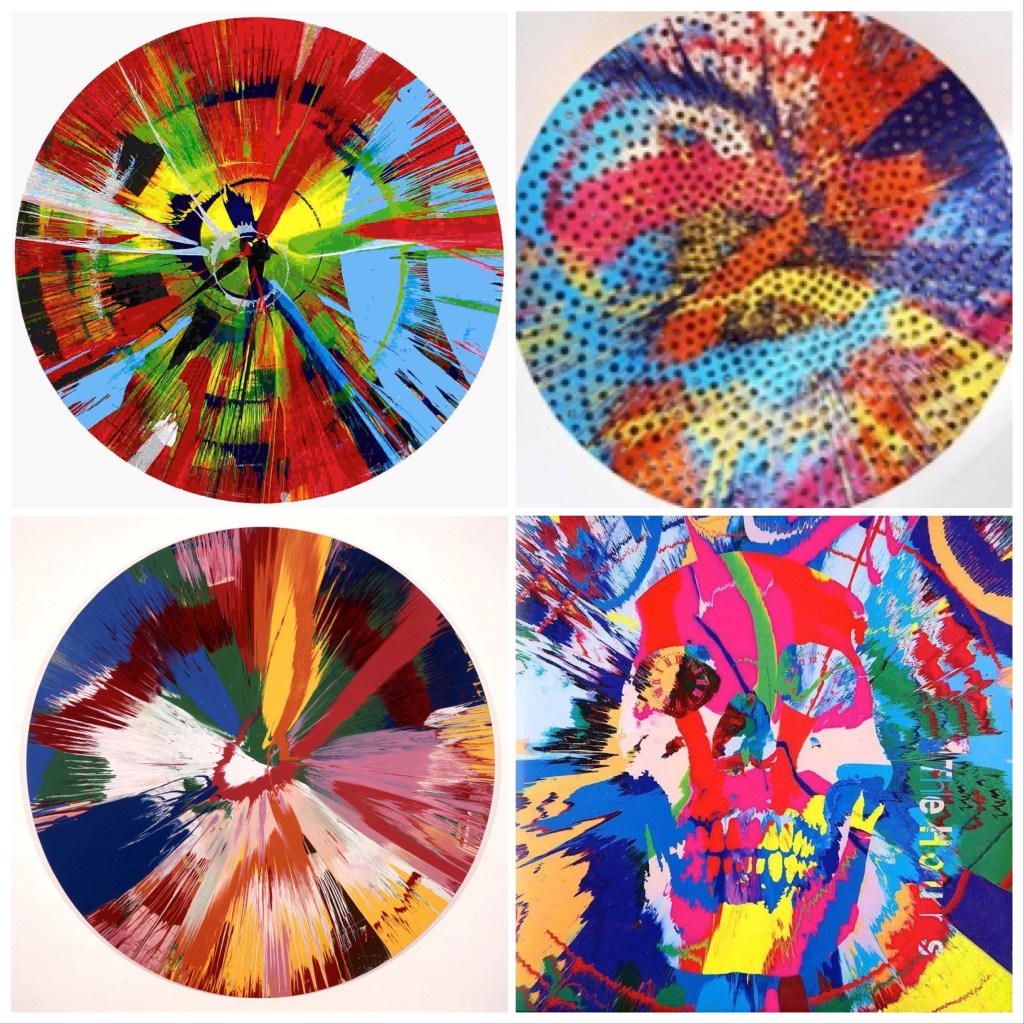
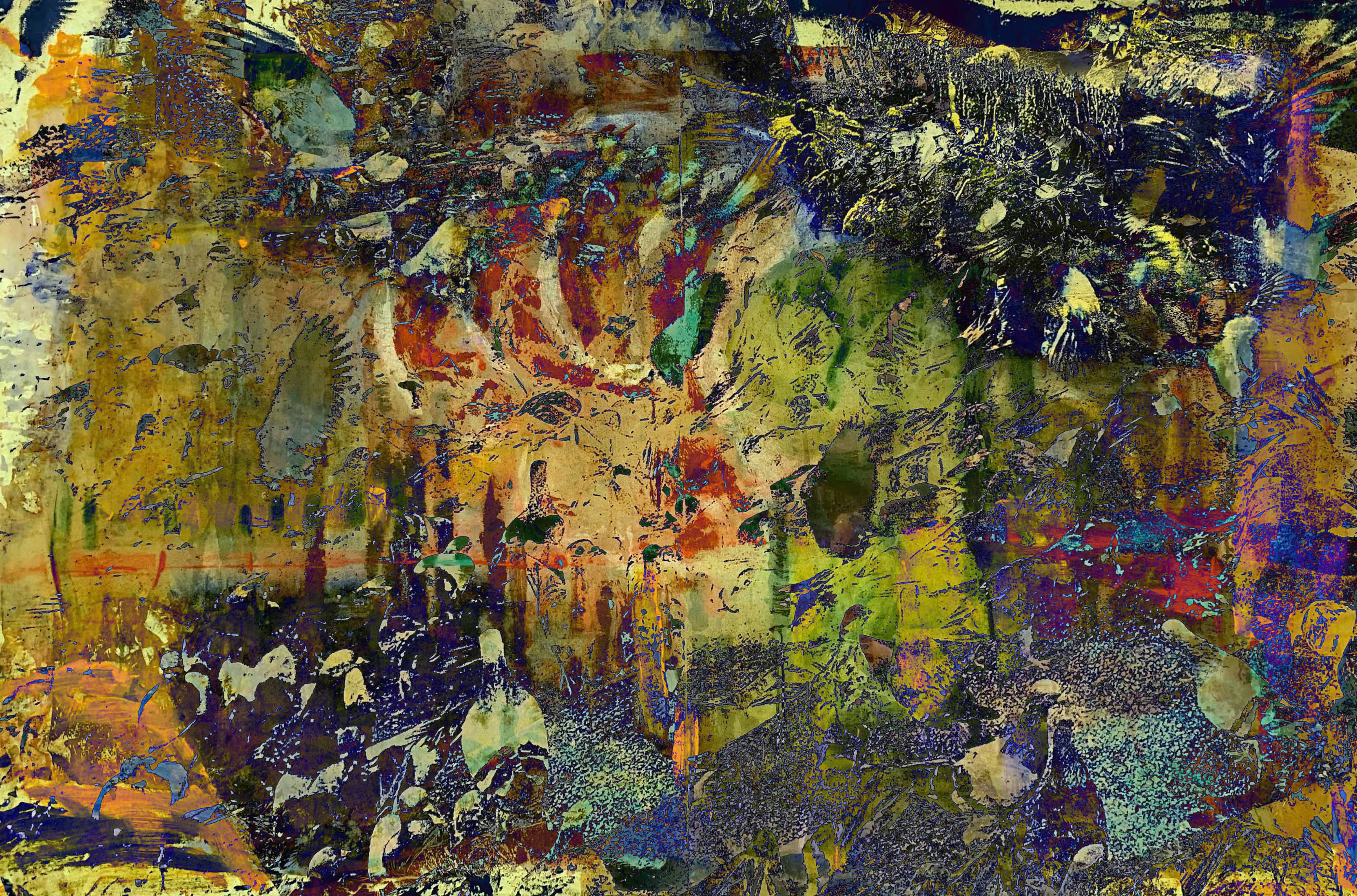
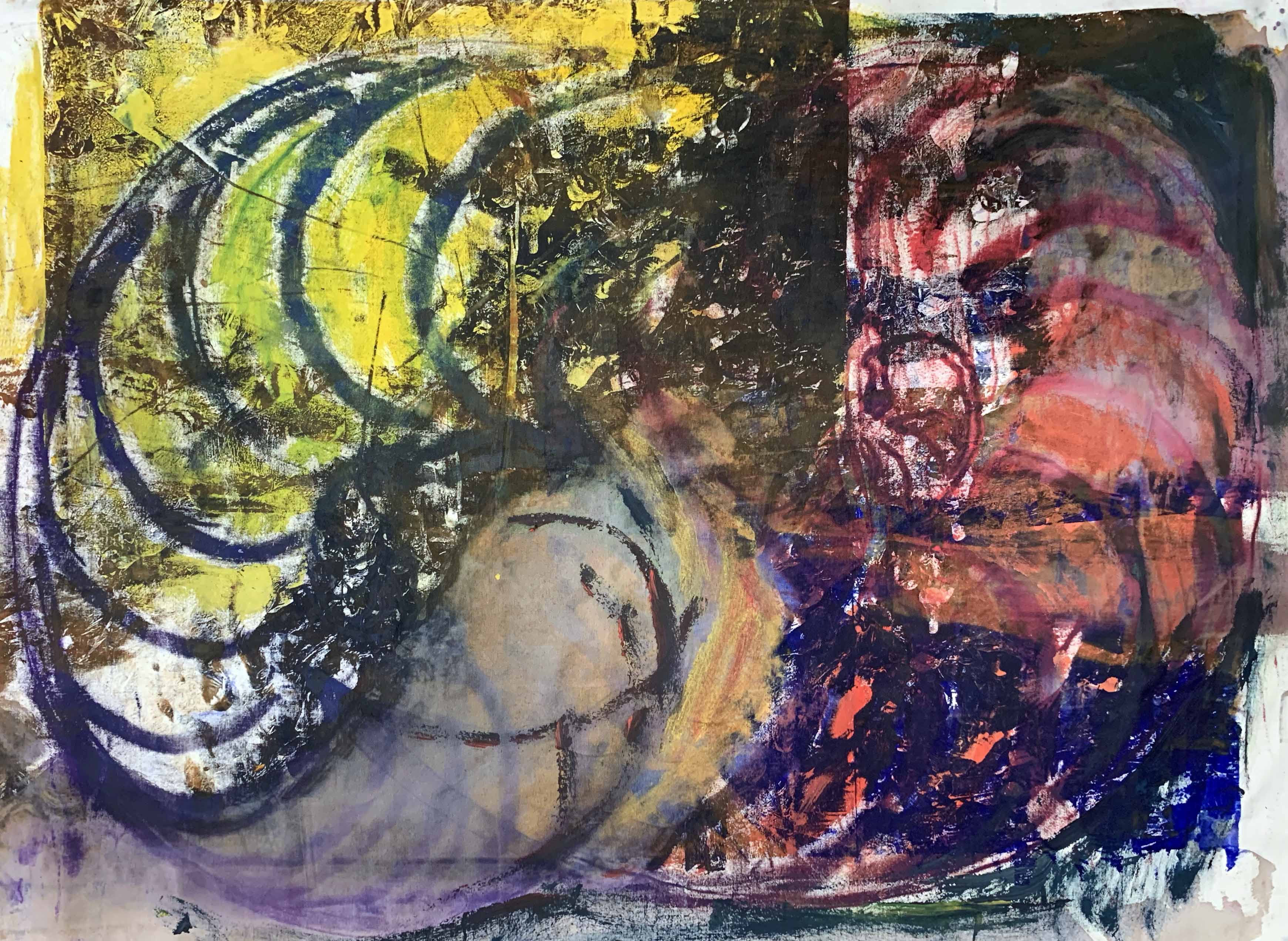
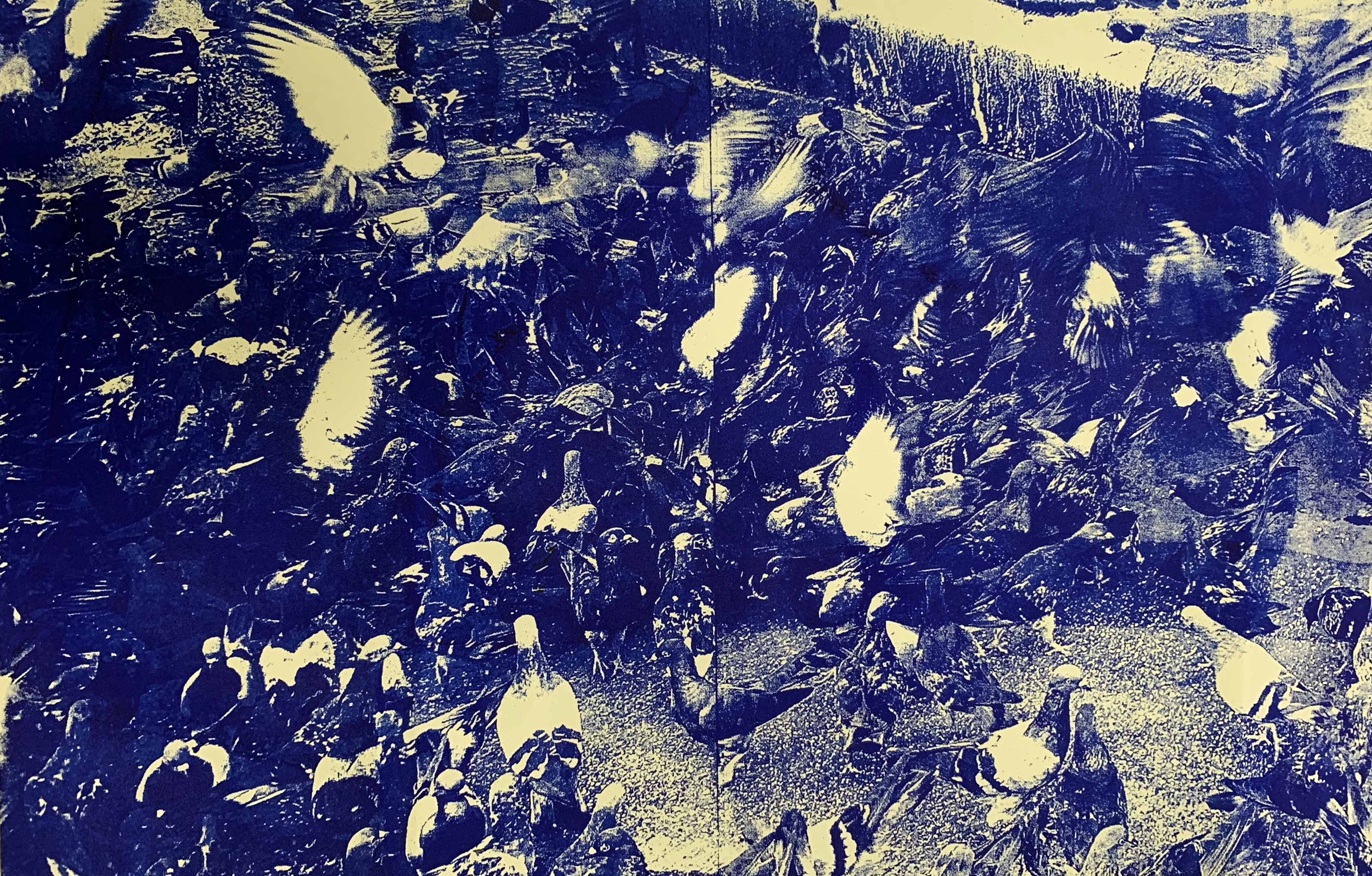
I came across the first series of spin paintings by Damien Hirst in the early 90s. I learned about this experiments, when he first started to explore a range of possibilities using this technique in 1992 and extending on alternatives by employing the idea of a stencil.

In addition to their powerful colours, patterns and textures, they were frequently composed on circular formats. I was touched by a great similarity between the look and feel of these works and my ideas concerned with recording the spinning cycle through a bullseye circular window of a washing machine.

On reflection, I came to a conclusion that his famous spin paintings were very influential in forming my new ideas for a series of images.

The spinning motion is monotonous, repetitive and echoes the nature of what I am trying to portray and question in my project.

I include a collage based on his various work below:

Relationship With My Own Work

As a part of preparation for presentations of research, I received an email form Alexis with a request. He was asking for a considered response to the following question:

What is the nature of your relationship with one of your art pieces?

This prompted a long process of reflection on the essence of my current practice.  I looked at my original artist statement and reviewed various versions of my project proposals.  My objective was to create a map of progress, while questioning what I was trying to achieve in my visual work.  It was a bizarre form of self-appraisal of own creative intentions with references to the use of formal elements and the overall visual language.   I have also tried to interrogate the nature of relationship with my paintings.  Subsequently, I have learned that my bond with my work depends on the impact of an emotional rapport with people, who I met during my travels.  It very much depends on my reflections on encounters with humans, who are trapped in vacuum of their overwhelming routines and repetitive environments.  These experiences resulted these people becoming the main characters in my paintings.


My reply was as follows:

Through my projects I feel that I discover my inner fears, longings and re-evaluate my uncertainties. My work seems to be an attempt to explore and question by metaphorical presentation my response to the hidden truths of the world. The essence of the value of these works is in their inherent meaning and an atmosphere, which manifests itself in the dusk of the space portrayed, thus the light may appear, where the hue of colour fulfils clarity and sounds with harmonious melody.

I paint people, who I have met during my travels. They are always of a special significance to me. Therefore, my work is an emotional appraisal of my encounters with them.


Alexis responded with a thought-provoking and intriguing statement:

“Thank you so much for your response and insight into your work. It is very interesting and I shall think on it. What you say opens out onto a world of ideas and questions.”

Morning Coffee – The Process Begins

I have started working on a new idea for a painting.

Critical analysis:

Following my practical experiment with a repetitive activity, I came to the following conclusions:

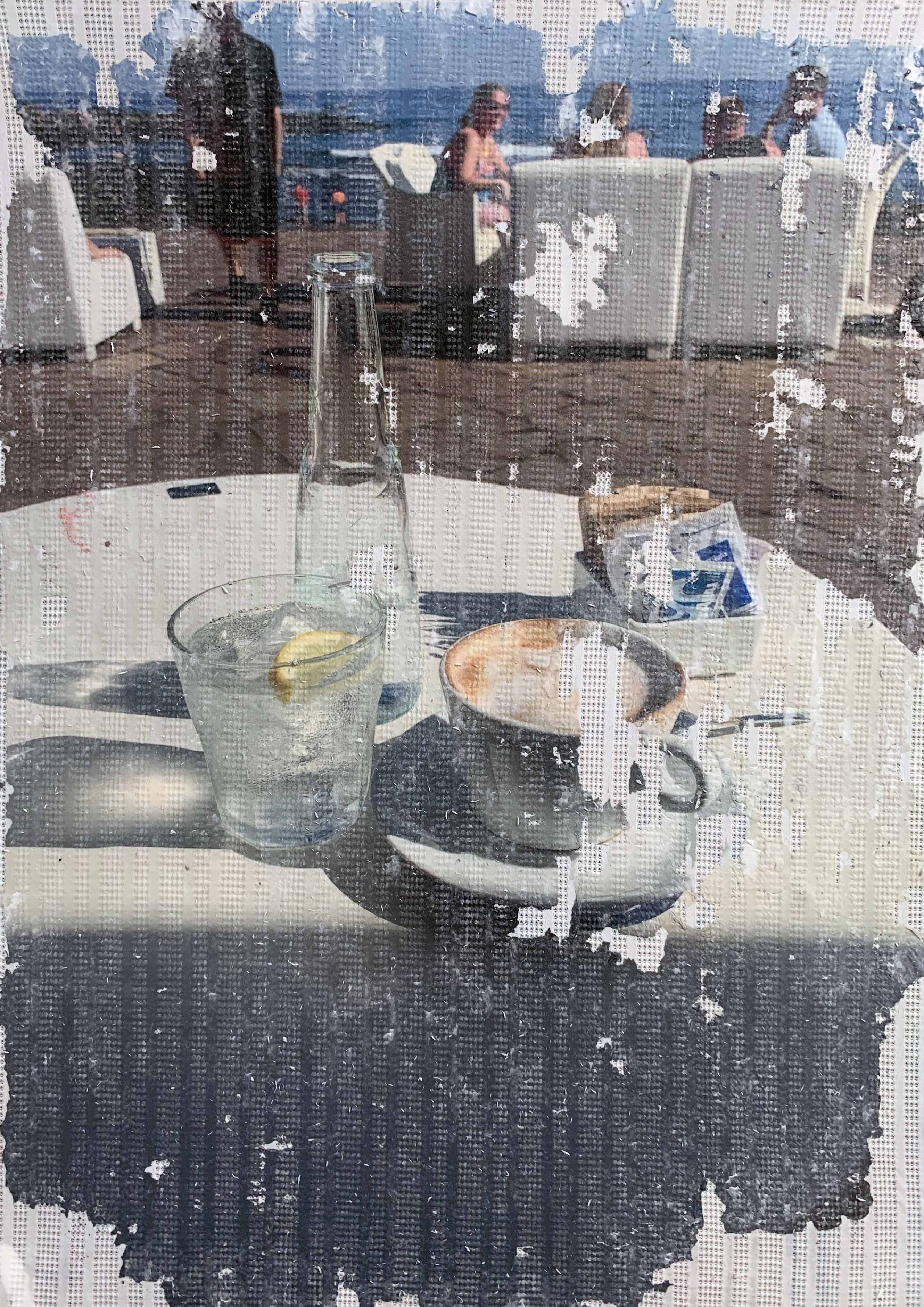
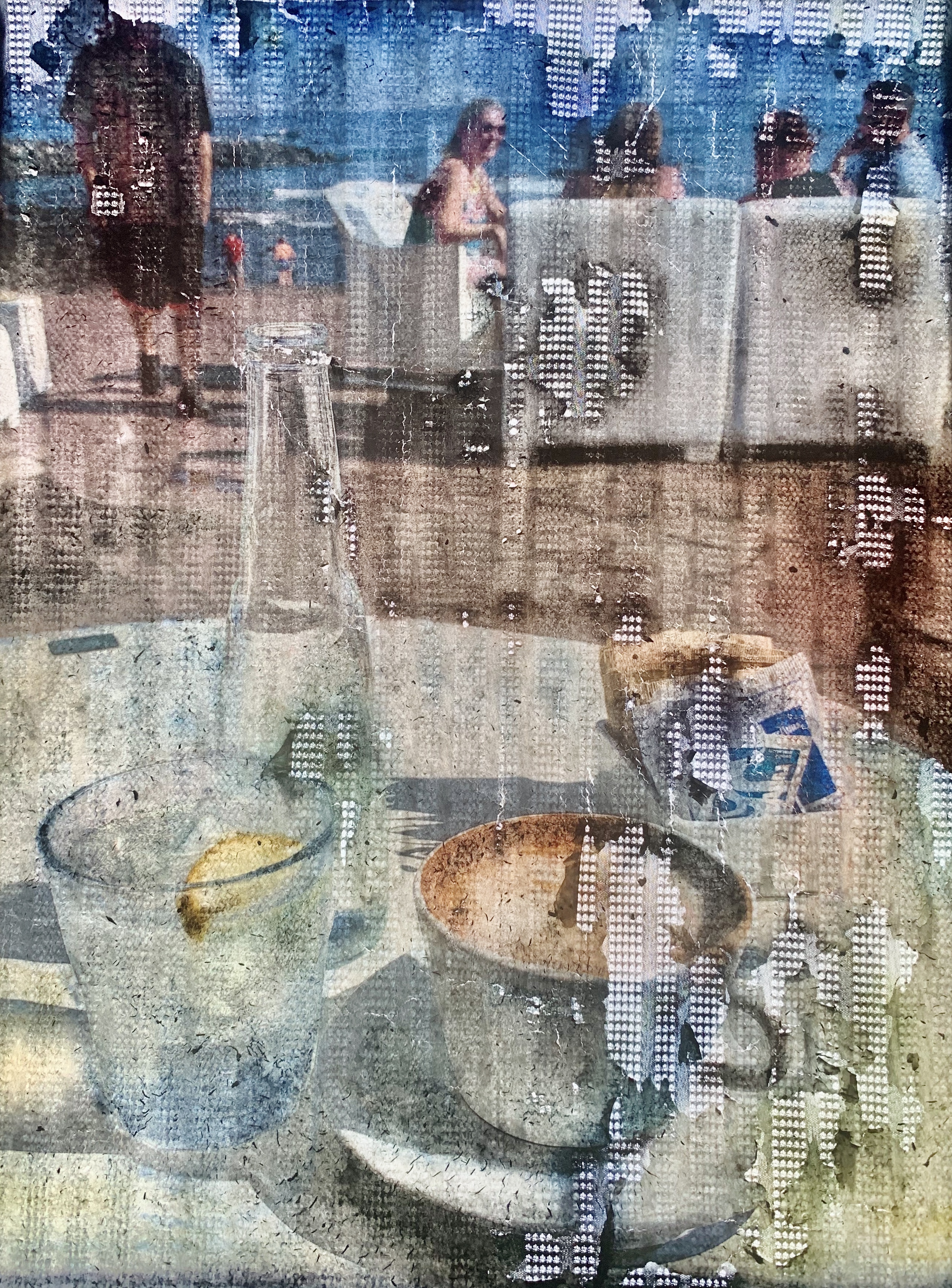
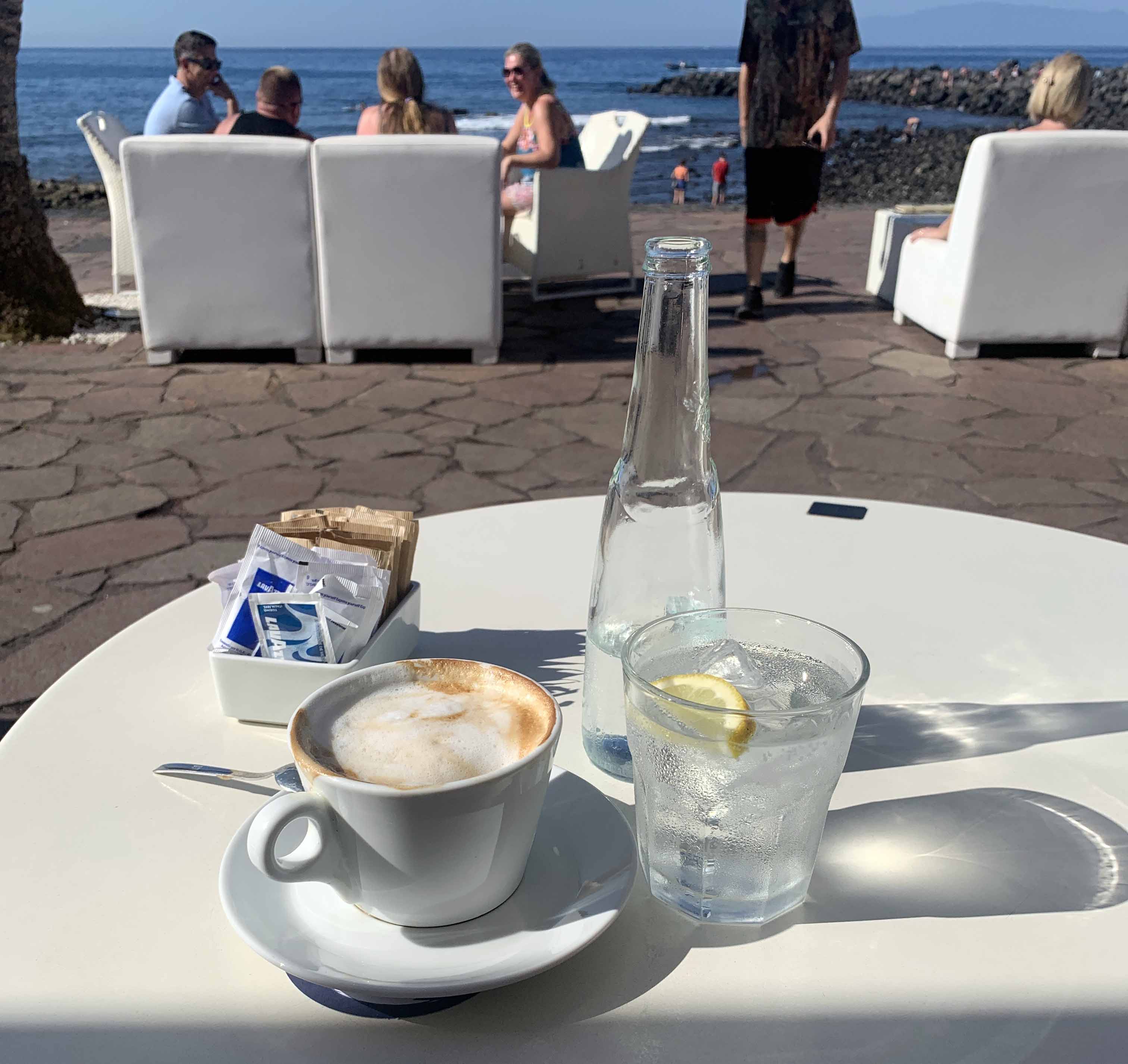
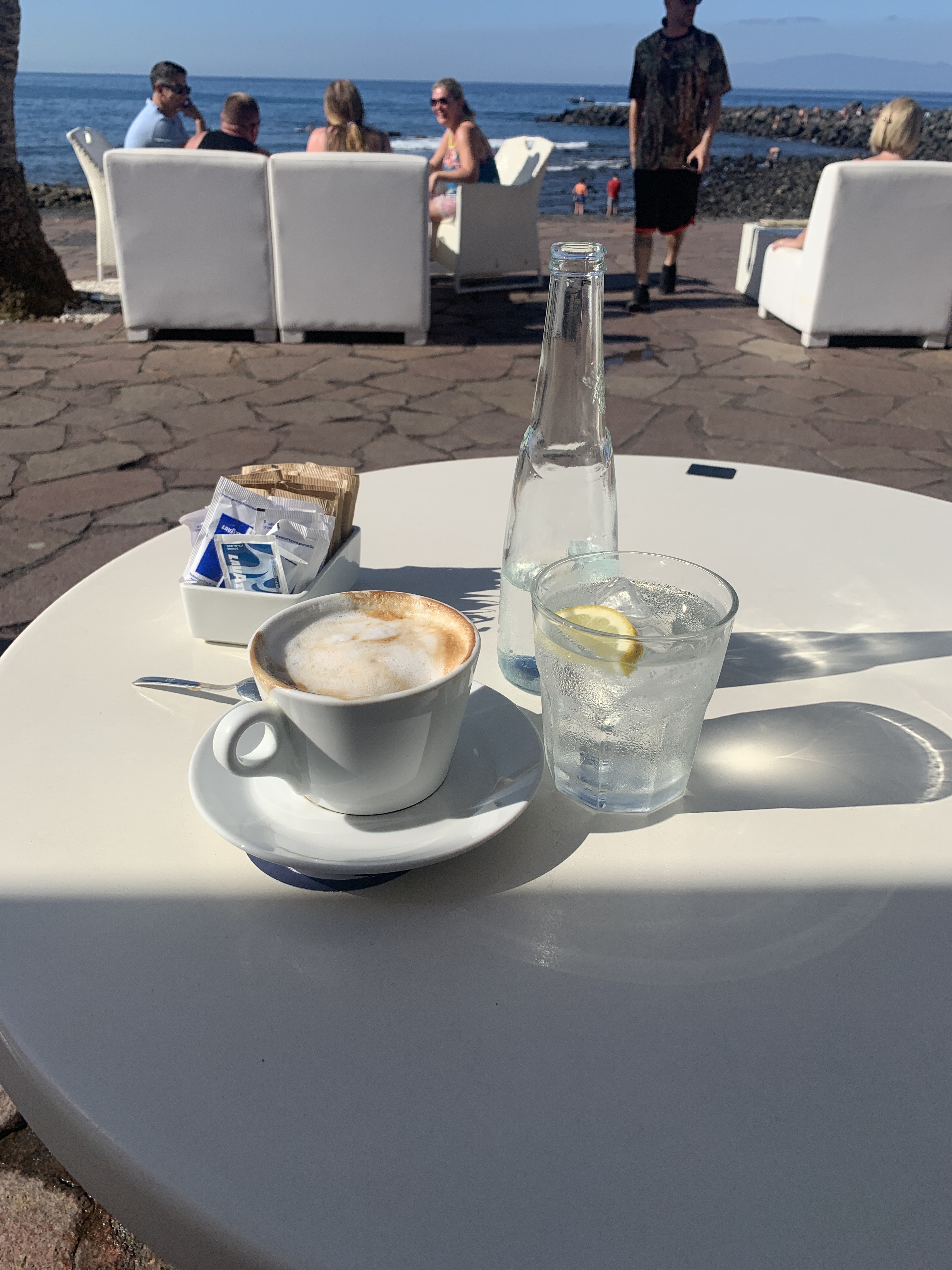
My composition should focus on the essence of this exercise – the coffee, glass with ice and lemon, and a bottle of sparkling water. This still life setting is a constant in my experiment and in the foreground of the overall image. It never changes and there are no visible modifications and adjustments to the position of all items on the table.

The view with people and arm chairs in the background is the variable of the image. This part of the composition is dynamic and frequently altered by randomly passing visitors, slow morning business or just emptiness of the space. Interestingly, the focus in my work is reversed from people onto objects. The underpinning narrative of action in the background, behind the centre, is out of focus and less important than a simple still life like setting in the foreground. The same cup of latte, the same slice of yellowish lemon and the bubbles of gas in the glass.

Subsequently, my plan is to remove the constant and the obvious – the expected. The place in the sub-light, the focus of the composition will become empty and covered by the background colours and textures.

I plan to use paint and, step-by-step, over-paint all foreground objects, while recording this process digitally, perhaps as a video or a photographic timeline. Editing will follow to further refine and emphasise my creative intentions. I want to divert attention from the foreground to the background. A jet of water, or a cleansing power of a washing machine and powerful detergents will be replaced with a hand painted background.

The Three Burmese Monks are gone and disintegrated now. The time has come up to erase my morning coffee experiences.

All really important issues always take place behind the scenes, in the distant and seemingly unimportant vacuum of background void.

Morning Coffee – Constant Versus Variable. Thanks

I have spent a lot of time considering differences between constant and variable within my new composition.

The constant is the known, predictable and expected. All of these feelings are associated with safety and security, with certainty and control. On the contrary, the variable is the dynamic, unknown and unpredictable. It makes us uncertain and anxious. It reminds us that we have little or no control over our destination and associated events. It makes us realise that we are walking in darkness with no sense of a real direction. All we do is to assume that we are in charge.

Although this piece has some potential, it would benefit from a further development. I need to question the relationship between certainty and uncertainty in the context of repetition and monotony.

Following a range of discussions with my colleagues and students, I have come to conclusion that the next step will be to remove certainty from the work and emphasise the variable part of the composition.

Until know, I have managed to explore possibilities and discuss alternatives with the following experimentation using light and digital manipulations:


Error
This video doesn’t exist

Unexpected Change

I plan to progress to working with a new theme titled ‘Coffee Routine”.  This idea was generated during my recent research trip to Costa Adeje.  I am still in a phase of reflecting on this bizarre experiment.  In the meantime, I have decided to introduce a radical change to the Three Monks piece.

IMG_6541

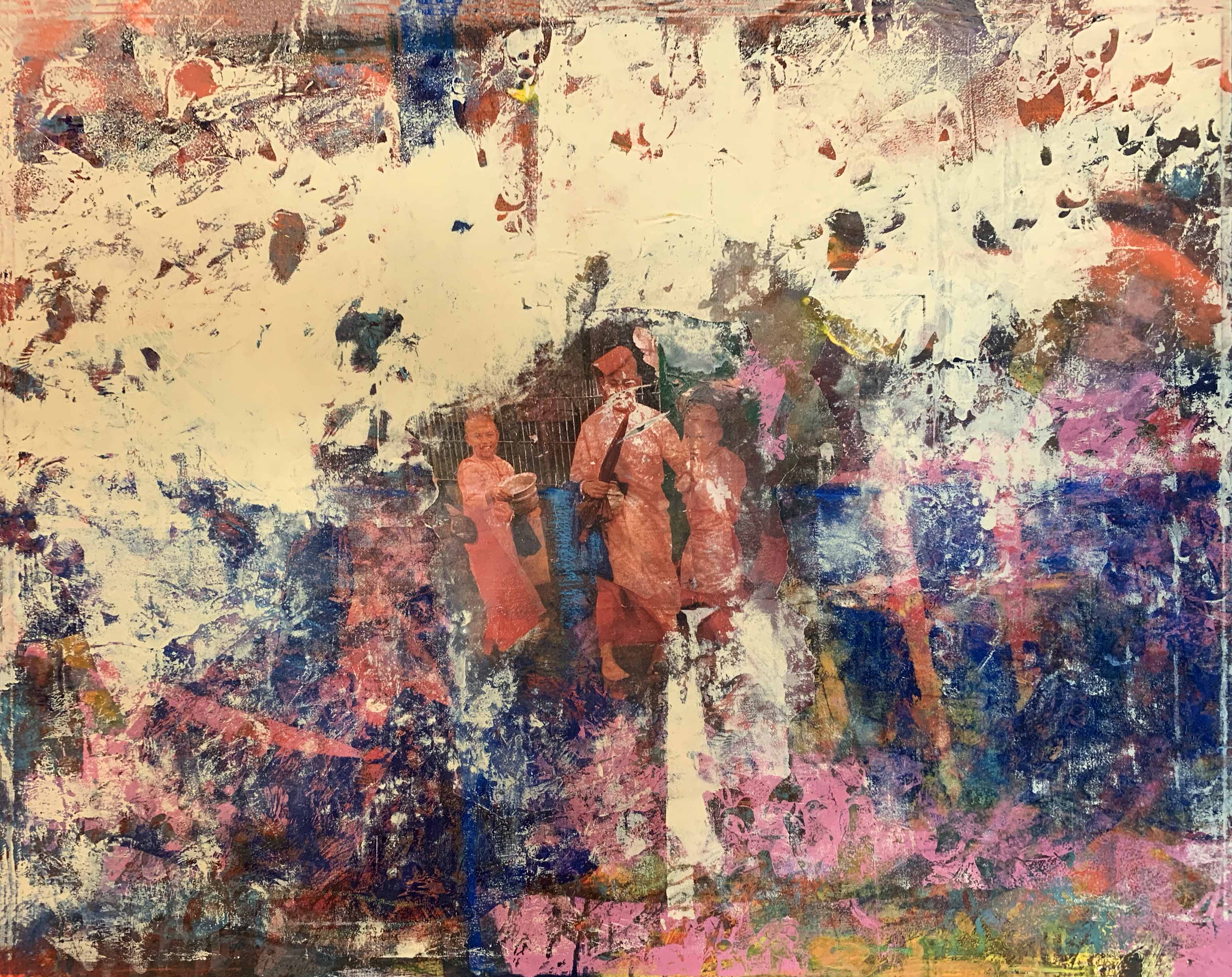
Through overprinting, I have created a cloud-like impression of a school of birds overwhelming the monks.  The next step will be to bring some detail into this colour layer by using delicate patches of blue.  Their main function will be to reinforce the structure of the birds and, therefore, make them more recognisable yet not illustrative of visually descriptive.

The canvas has also been stretched.  This created a natural boundary and boarder between the image and surrounding real world.  The sharp edge and 90 degree corners formalise the piece.

I am very exciting to start mapping the new composition onto unprimed canvas.  This will move me partially away from portraiture and possibly allow me to experiment with an alternative.  The focus is on a still life and the participating characters and the narrative are in the depth of filed.  They have a purely supporting role and function, while revealing and giving a glimpse of the underpinning story.

Coffee Routine

Morning Coffee

I have just completed the last day of a repetitive activity experiment. Every morning, for seven days, I walked exactly the same way to the same coffee bar. I left my hotel at exactly the same time and tried to cover the distance at an identical pace. I ordered the same coffee and a bottle of sparkling water. I was lucky to use the same seat and table. I was welcomed by the same waitress. Finally, I spent exactly the same amount of time there.

All days started to blare and it became quite difficult to distinguish between individual events and moments.

My perception of the entire week was substantially skewed, affected and distorted.

On my return home, this image will inspire my next piece.

Eureka Moment

It has taken me a long time to realise that I am fascinated by erosion and destruction. This is what transforms a surface to make it exciting and more evolved. I am actively engaged in observing and recording this magic and rapid transition. Superficial new becomes old and worn almost instantly, practically overnight.

Memories implanted by transience and the patina of time leave their stunning traces on everything, while staining, crumbling, disintegrating, glazing with dirt and human interventions.

I have spent the whole day exploring some rough parts of Gran Canaria’s rotting buildings and places. I was shocked to learn how mesmerising they all were! I have experimented with these ideas, while searching for effects of destruction in my own project through blasting my paintings with water jets and spinning my work in washing machines. Paradoxically, both art and life are about turning something special, into dust and nothing. New becomes old; young ages and wrinkles, swish and desirable turns into shameful and unwanted rubbish.

Vive la destruction!

New Developments

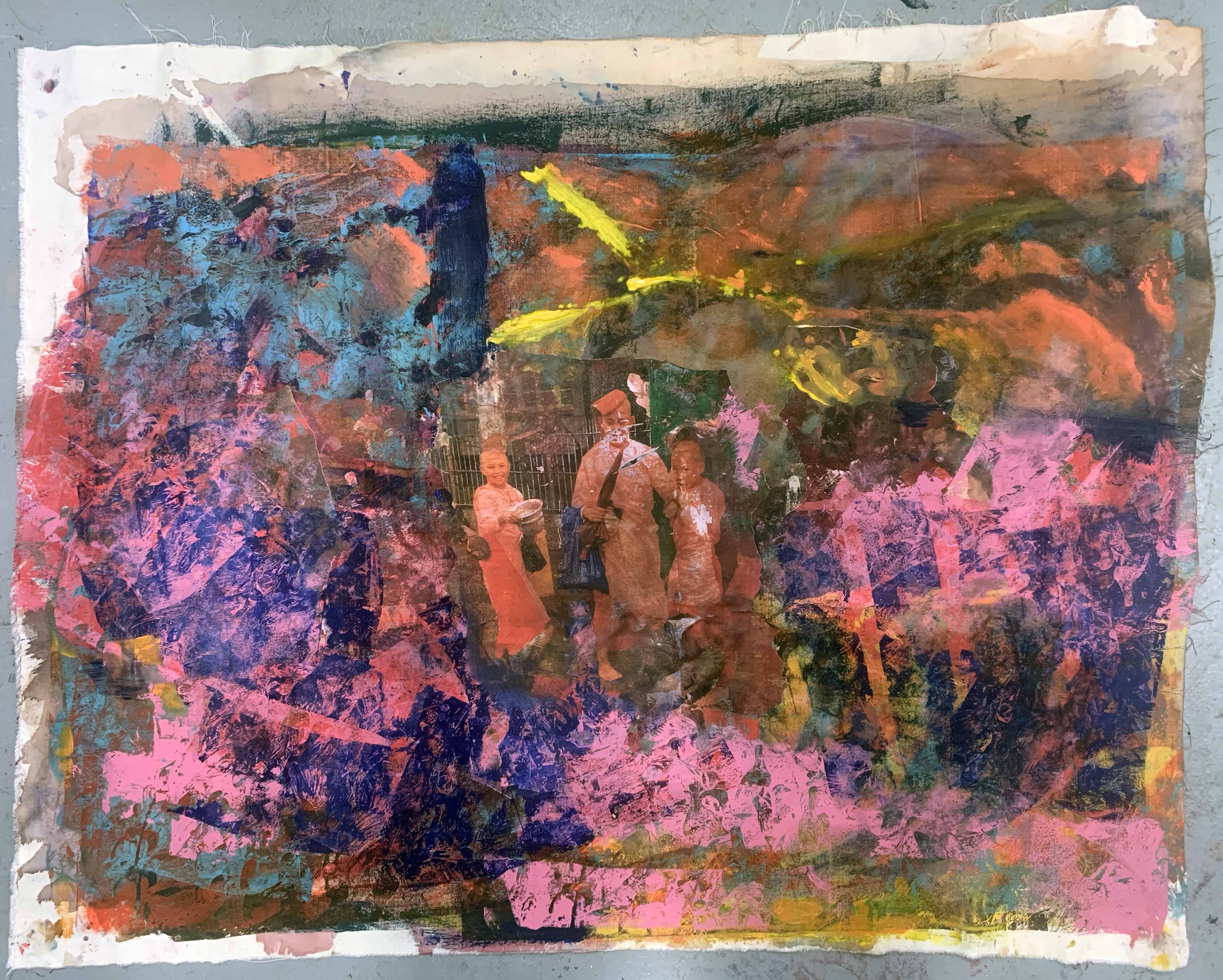
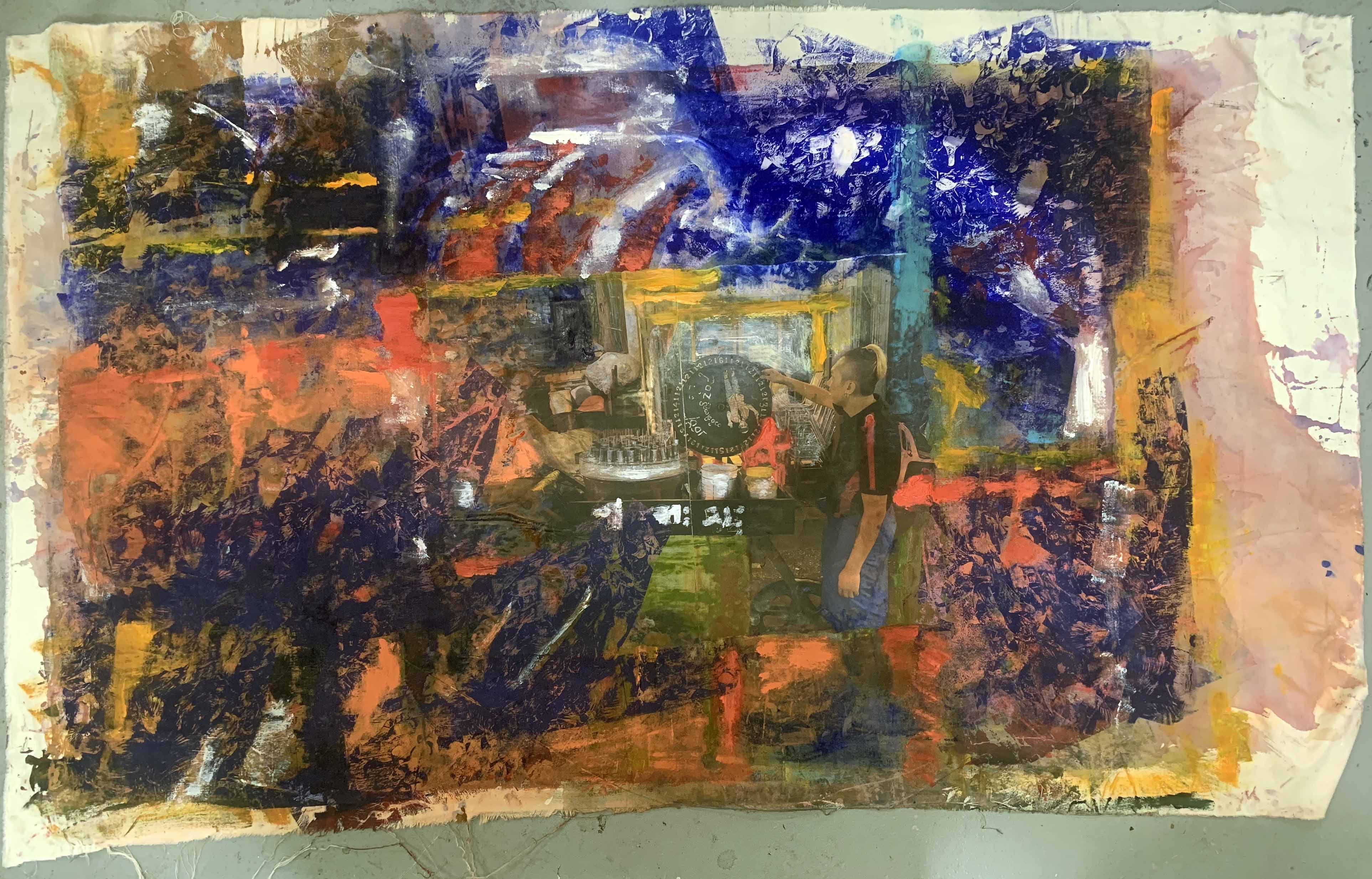
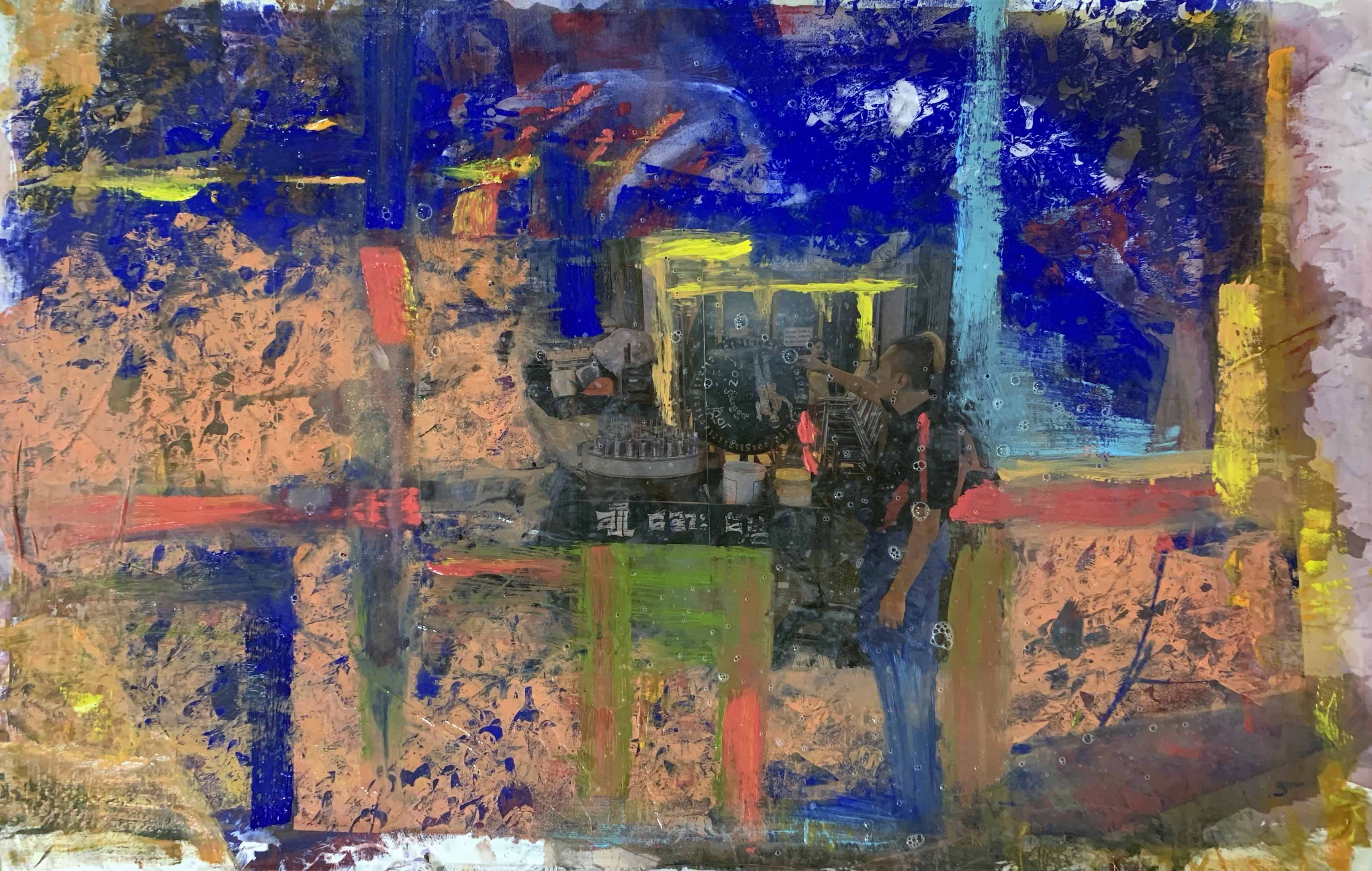
I have continued with experimentation, while working on my two recent pieces. The photographs below show both, an overview of the work on unprimed canvas and a cropped view to show the actual composition, when the canvases are stretched.

Wheel of Fortune Seller

I spent a considerable amount of time following and observing a street seller. This remarkable man works extremely long and hard for little reward. He pushes a massive, rusty and clanky trolley. The main product he tries to sell is chunks of octopus submerged in shots of rum. The weather is hot and humid, well in the mid 30s. He walks up and down the famous 19th street in Chinatown in Yangon. To attract potential customers, he offers a chance of winning a lucky shot by spinning a wheel of fortune. His days are monotonous and exhausting.

Despite many efforts, he sold nothing during a long afternoon. Sheer desperation appeared on his face, especially in his eyes.

I asked him for a permission to take a photograph to use it as a source for my project.

The reward of 10 USD put a wonderful smile on his face and exposed his rotten teeth.

We exchanged greetings and, suddenly, became strangely close, like old good friends. We are all on this planet together and the destination is death.

345

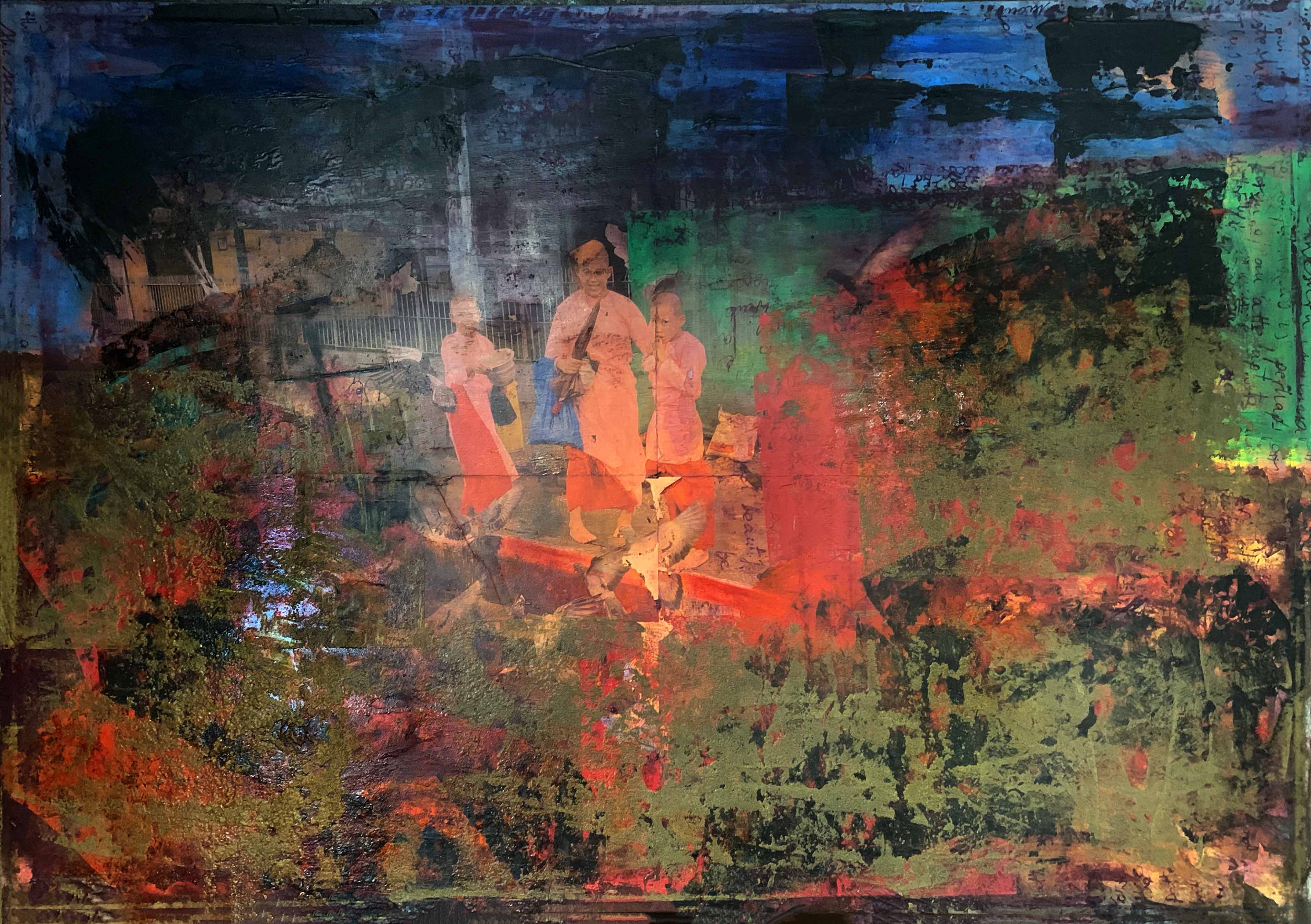
Updated – Three Burmese Monks.

A more refined version of this large-scale piece is below.  It includes a range of overprints in gold.  This colour is of specific significance to Myanmar and their Buddhist tradition and religious beliefs.

I have also experimented with adding further colours in order to reduce the effect of chiaroscuro and, simultaneously, increase the dramatic effect in the sky area.  This has resulted in the monks being surrounded by action and dynamism in the peripheral parts of the composition.

This arrangement seems to have worked well and introduced a sense of balance and hierarchy to the piece.  The focus is firmly placed on the three characters.

Monks in Gold

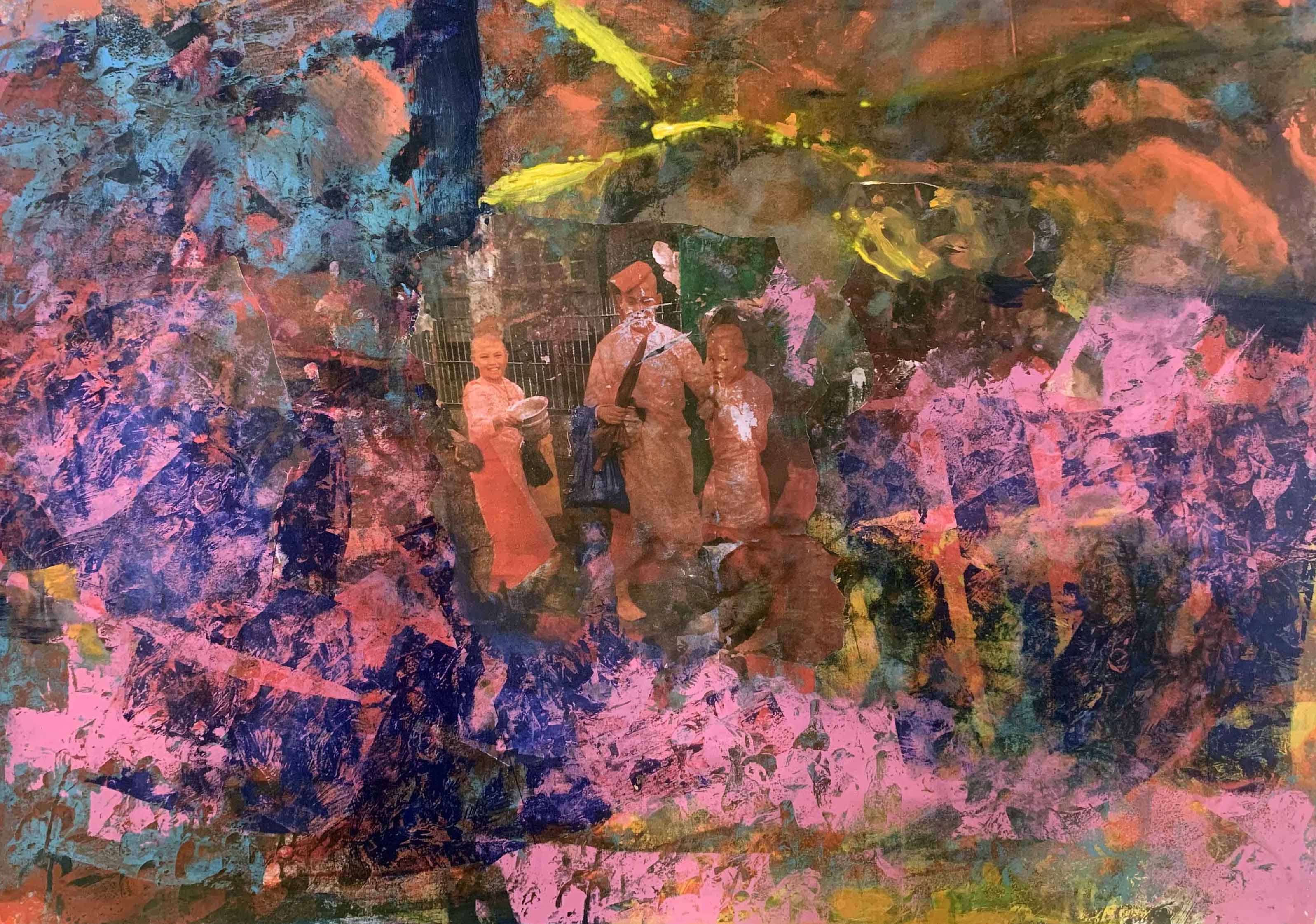
The image below portrays an intermediate stage of the overprinting process.  The work havily relies on contrast and chiaroscuro, bringing all attentiuon to the centre part of the piece.  The monks appear to be positioned behind, in a peaceful and fully lit place.  My intention was to bring them back to the surface and engage them in interaction with the birds.

Monks in Umber

Sworn of Birds – Yangon Monks.

I have been busy experimenting with a new approach to painting and layering colours. The process started with painting the under image using a rug and large scale brushes. The composition was inspired by the Burmese Monks series. I used large unprimed canvas and started to jot the colour down using expressive movements and gestures. The image begin to grow really rapidly and soon, the overall colour scheme was ready. The second stage was to overprinting the background with a screen, which o developed recently. It portrays a swarm of birds ‘dancing’ around the monks and creating a beautiful flow and rhythm. The printed layer was subsequently watered down with sponges, robbed with dry towels and paper to revel light and the colour, which got trapped underneath.

The entire idea for the new pieces is to experiment with layering of images and colours before making any commitments to the narrative content of the work.

I have included a range of photographs of my experimentation and, at the bottom, a single print of the screen itself.

Assessment Feedback Tutorial

Skype – video call with Jonathan Kearney.

Wednesday, 4th December at 3 p.m.

Following recent assessments of Unit 1, I received very encouraging feedback from the assessing team. My work was complemented at this interim stage of the course. This, in turn, gave me a lot of intrinsic energy and motivated me further to continue to improve and develop my projects. I was really touched by a range of highly positive and helpful commentaries, which I received.

During our Skype conversation, Jonathan had reassured me and reinforced the potential of my continuing efforts. Subsequently, I was in a position to form a solid foundation for further improvements and refinements.

Jonathan was particularly interested in a layer based structure of my work. As previously discussed, a supporting spoken narrative could create another element by adding background information and explaining the context of the work to an audience.

This suggestion was very constructive.

Indeed, I need to detach myself from my primary knowledge, assumptions, bias and consider the opposite perspective.

Will a viewer have a full understanding of what I am trying to achieve and communicate; my creative intentions?

“How do you add a meaning to an image?”

Jonathan Kearney

This was definitively a superb question, which gave me a new avenue to explore further and extend on the impact of my work.

I really like the idea of an accompanying narrative voice, which creates another layer to my work.

However, Jonathan had also suggested something additional and, I see this suggestion, as an alternative to my current explorations.

“Make your work more explicit, yet simultaneously, do not loose its ambiguity”.

On reflection, I think that this comment had allowed me to make pivotal changes to my perception and thinking. The answer is to add a narrative layer to my work and do it in a measured, sensitive and balanced way in order to avoid visual description.

Initiating a dialogue, discussion and critical questioning are the only constructive ways forward.

My creative intentions are to initiate a debate and extend on the sophistication of my questioning. How does one deal with mundane rituals of hypnotic repetition?

We moved on to discussing a range of changes to the focus of my enquiry. The shift is from a focus on the process of waiting in the context of uncertainty to being suspended in hypnotic repetition. This can be perceived as a form of a coping mechanism. However, the starting and end points are the same. Therefore, there is absolutely no room for making progress and value added. Hypnotic repetition means returning to the same place – the location of departure, over and over again, perhaps, until the end.

We concluded this very helpful and constructive dialogue by focusing on my recently revisited ideas with using machine intervention.

My plan is to experiment with filming in a commercial laundrette. There is something special about observing a spinning motion of a washing machine!

Tutorial concluded at 15.36